
Jadidlar
The generation that tried to reform a society with schools and newspapers
Jadid means "new" — short for usul-i jadid, the new method of teaching. It began as an argument about how children should learn to read, and became the most consequential intellectual movement in modern Central Asian history.
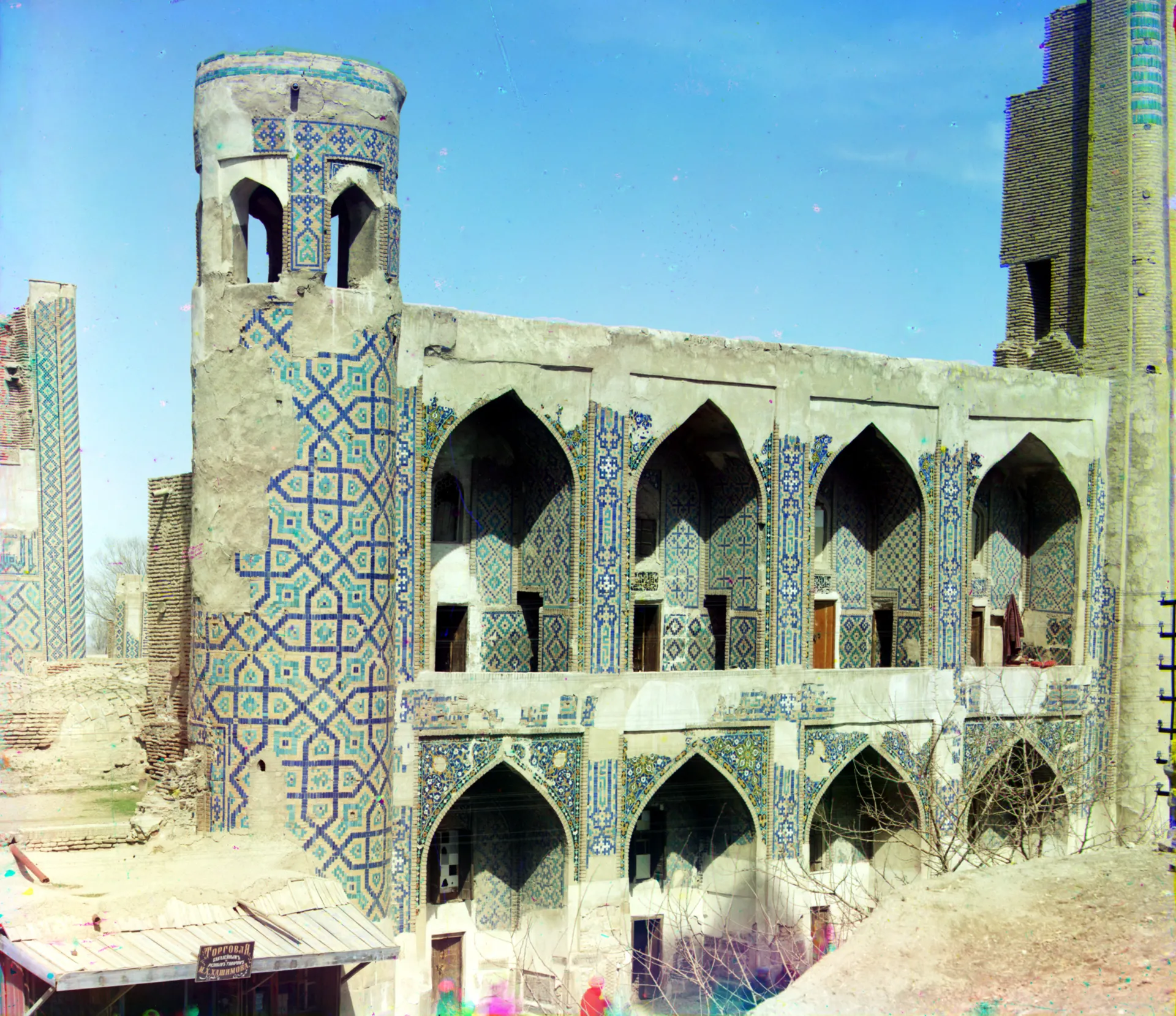
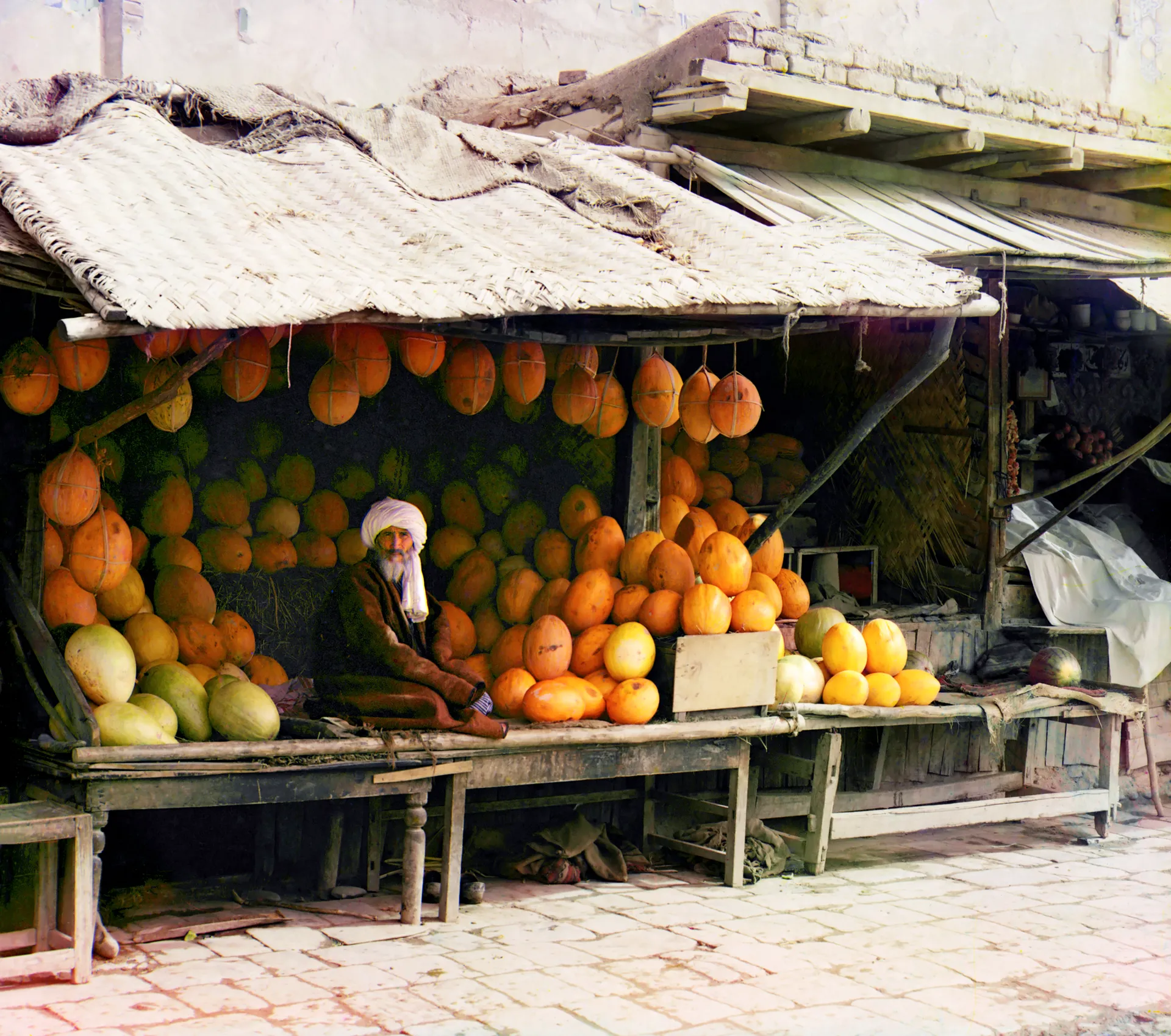
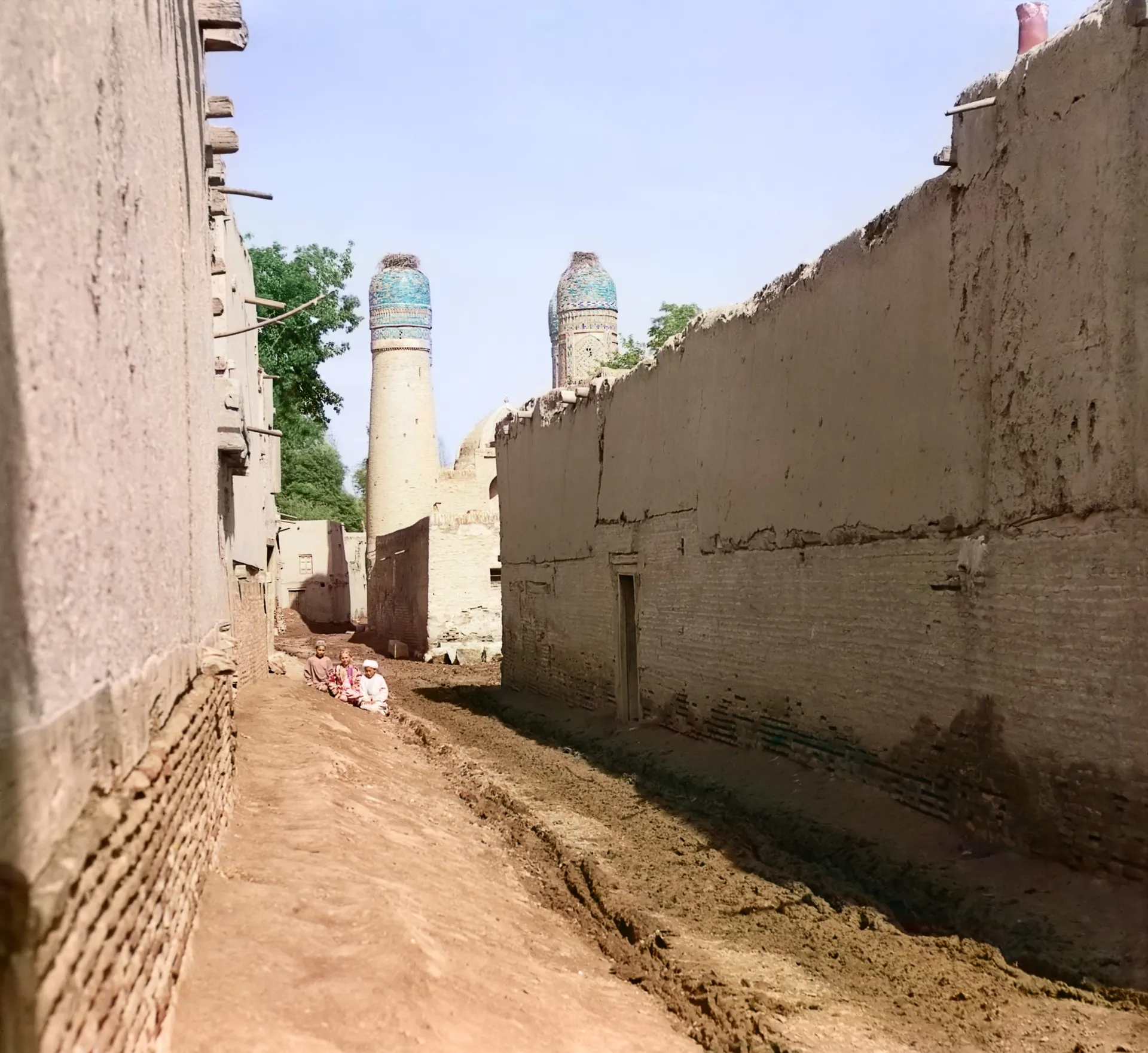
Samarkand in colour, around 1911
“New” — a movement is born
Jadidism was a progressive movement that emerged in the late 19th and early 20th centuries among the intelligentsia of Turkestan, Crimea, the Caucasus and Tatarstan. The word “jadid” means “new”. It began in the 1880s among the Crimean Tatars under Ismail Gaspirali and spread to Central Asia in the 1890s.
Schools, newspapers, theatre
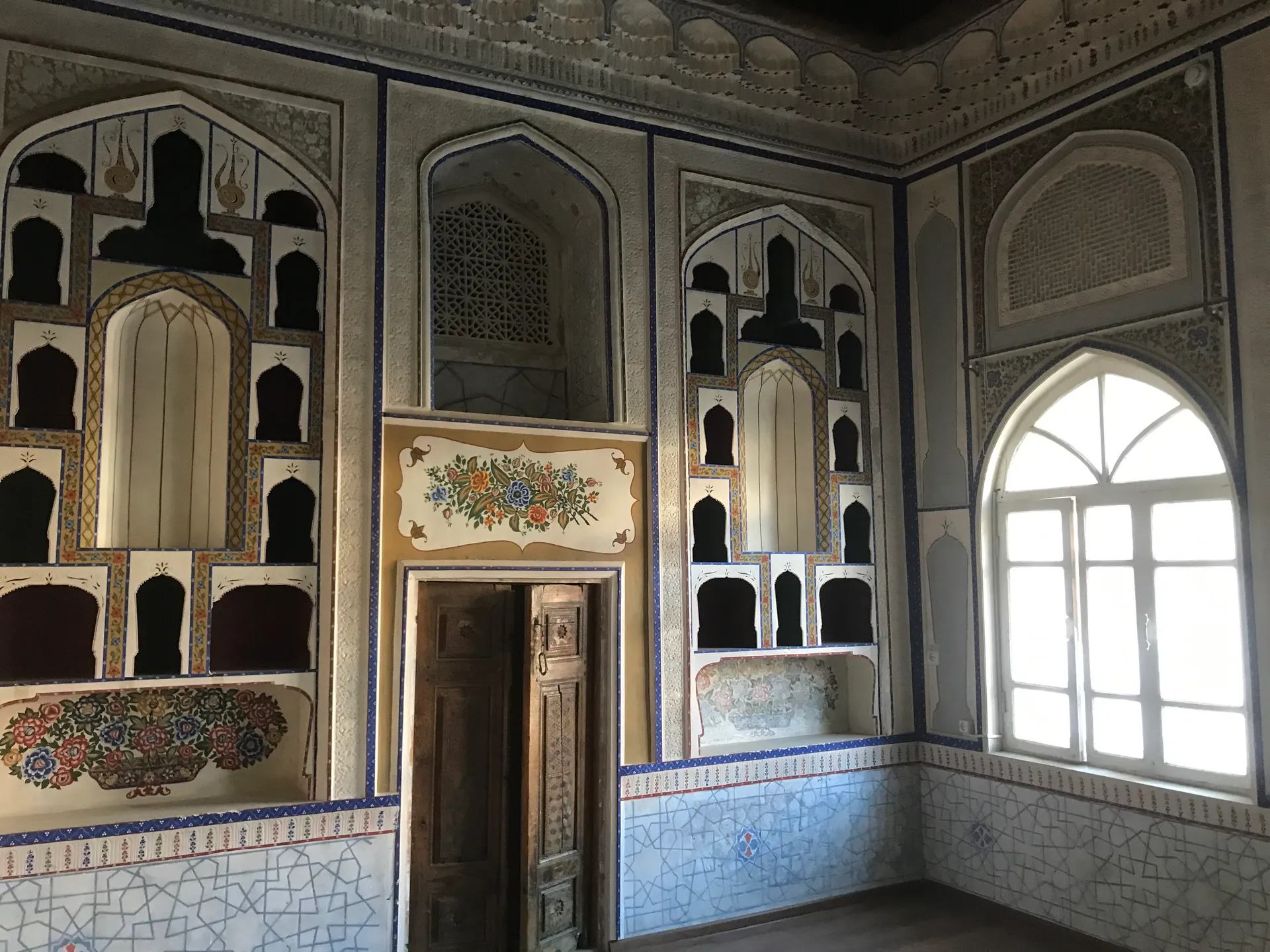
At first the Jadids focused on education and culture. They called for modern schools, the study of secular sciences, the development of Turkic languages and literature, and greater equality for women. They opened new-method schools, published newspapers and magazines, formed theatre groups and sent young people to study abroad. Their aim was to free the people from medieval backwardness and prepare them for progress.
From reform to autonomy
Later the movement became political. The Jadids opposed colonial rule, demanded autonomy for Turkestan and, in some cases, supported the idea of a democratic republic. They worked in three main areas: Turkestan proper, the Emirate of Bukhara and the Khanate of Khiva. Many leading writers, poets and public figures of the time — among them Mahmudxoʻja Behbudiy, Abdulla Avloniy, Fitrat and Choʻlpon — belonged to the movement.
Silenced, then restored
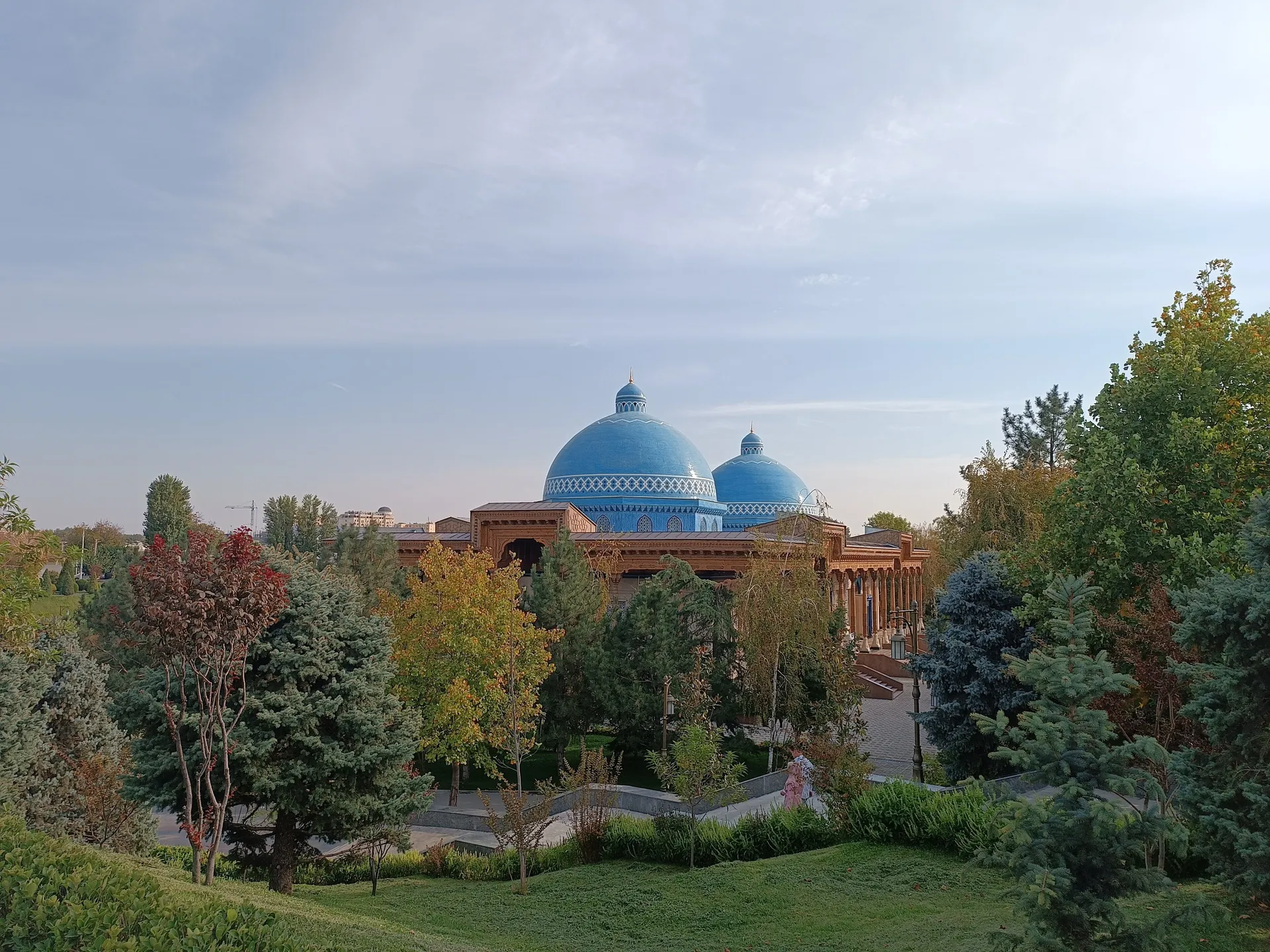
In the Soviet period Jadidism was condemned as a “bourgeois-nationalist” movement, and its representatives were repressed; most of its leaders were shot in 1937–38. Only after the collapse of the USSR were their names and work restored. Today Jadidism is recognised as a central chapter in the national awakening of the peoples of Central Asia.
Highlights
- Usul-i jadid schools taught phonetic reading — a child could learn the alphabet in weeks rather than years
- Behbudiy's Padarkush (1911) is considered the first Uzbek drama
- Abdulla Qodiriy's O'tkan kunlar (1925–26) is the first Uzbek novel and is still widely read
- Most leading Jadids were executed in 1938; all were rehabilitated after 1991
People connected to this
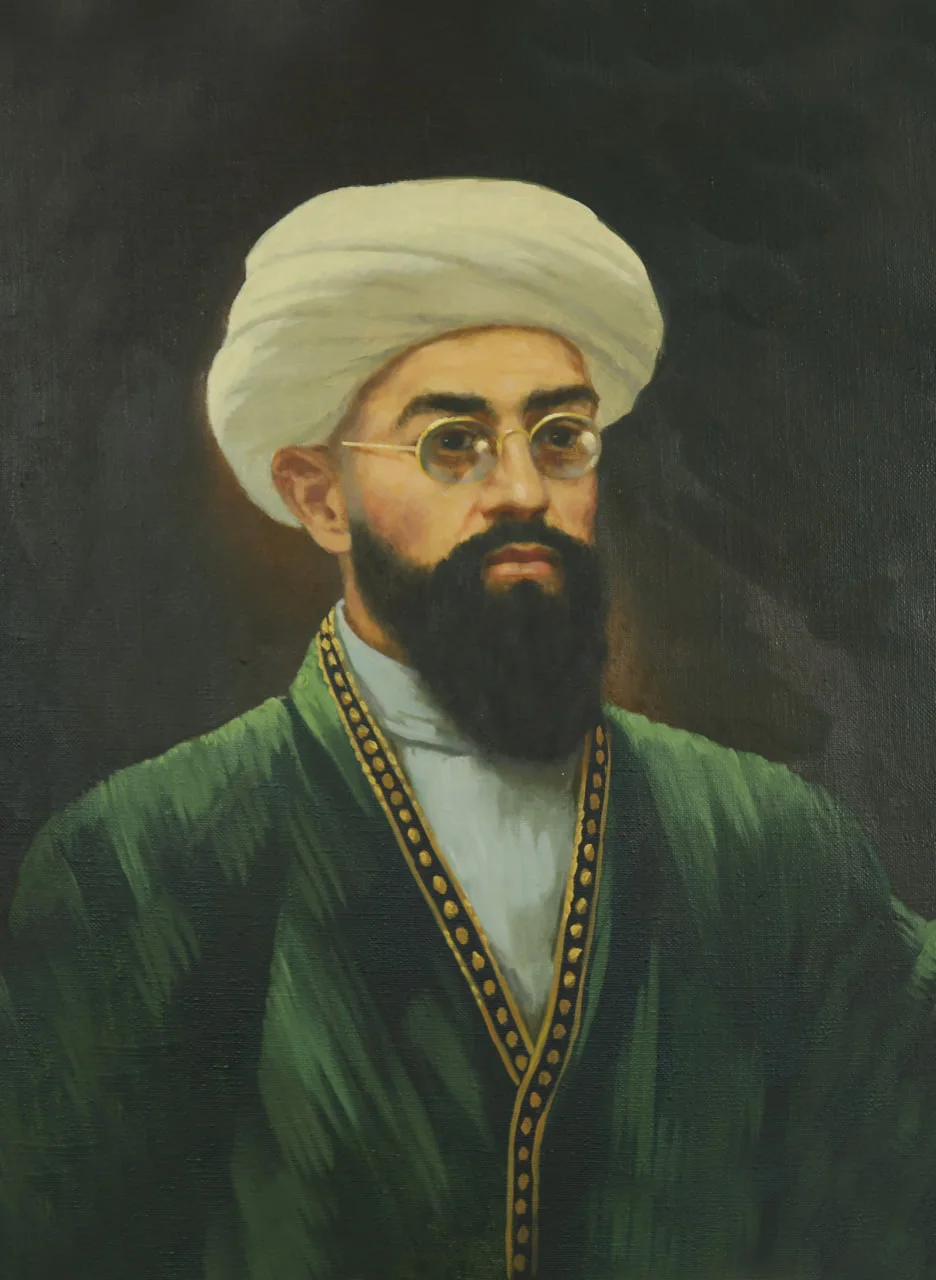
Mahmudxo'ja Behbudiy
1875 – 1919
Father of Turkestan Jadidism
Born near Samarkand in 1875 into a family of religious scholars, Behbudiy received a traditional education and became a mufti. Travels to Istanbul, Cairo and the Hejaz in 1899–1900 showed him how far the Muslim world beyond Turkestan had already moved, and he returned determined to modernise education at home. He opened new-method schools, published newspapers and the magazine Oyna (The Mirror), and wrote Padarkush (The Patricide), the first modern Uzbek play. He was arrested by the Emir of Bukhara's men and executed at Qarshi in 1919.
Read full profile — Mahmudxo'ja Behbudiy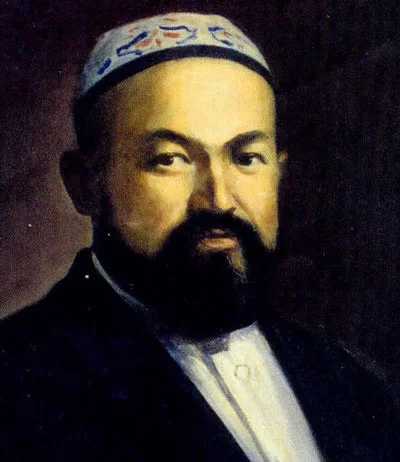
Munavvar Qori Abdurashidxonov
1878 – 1931
Pioneer of new-method schools in Tashkent
Born in Tashkent in 1878 into a lineage of educators, Munavvar Qori studied in both Tashkent and Bukhara and emerged as the chief architect of modern schooling across Turkestan. He opened one of the first new-method schools in Tashkent in 1901, wrote the textbooks it needed, and launched several newspapers that between them created a national press where none had existed. After 1917 he continued pressing for educational reform while holding official posts. Arrested in 1929, he was executed in Moscow in 1931.
Read full profile — Munavvar Qori Abdurashidxonov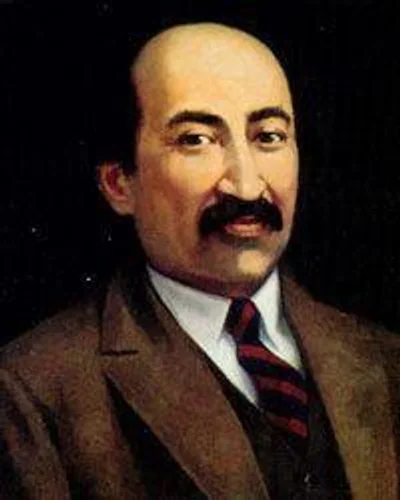
Abdurauf Fitrat
1886 – 1938
Thinker, writer and political leader
Abdurauf Fitrat was born in Bukhara in 1886. After studying in local madrasas he spent 1909 to 1913 in Istanbul, where his reformist thinking took its mature shape. He returned to write the movement's fiercest polemics, arguing that Bukhara's decline was the fault of Bukhara rather than of outsiders — a case that made him enemies on every side of it. He became a leading Young Bukharan and held ministries in the Bukharan People's Soviet Republic, then turned to scholarship in literature, linguistics and music. He was executed in the purges in 1938.
Read full profile — Abdurauf Fitrat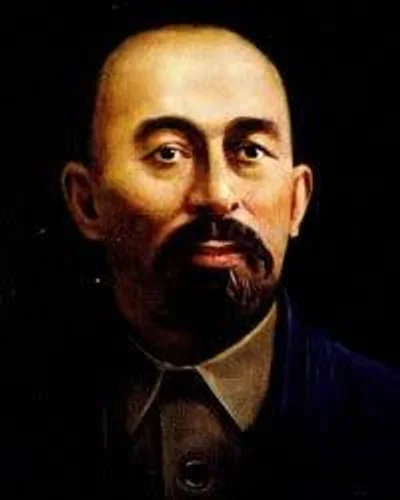
Abdulla Avloniy
1878 – 1934
Founder of modern Uzbek pedagogy
Abdulla Avloniy was born in Tashkent in 1878. Despite a difficult childhood he studied hard and became a leading teacher and writer. He opened new-method schools, wrote the textbooks Birinchi Muallim (The First Teacher) and Turkiy Guliston yoki Axloq (A Turkic Rose Garden, or Ethics), and founded newspapers. He also organised one of the first Uzbek theatre troupes and wrote plays attacking ignorance and harmful custom. He continued educational work through the 1920s and died in Tashkent in 1934 — one of the few of his generation to die of natural causes.
Read full profile — Abdulla Avloniy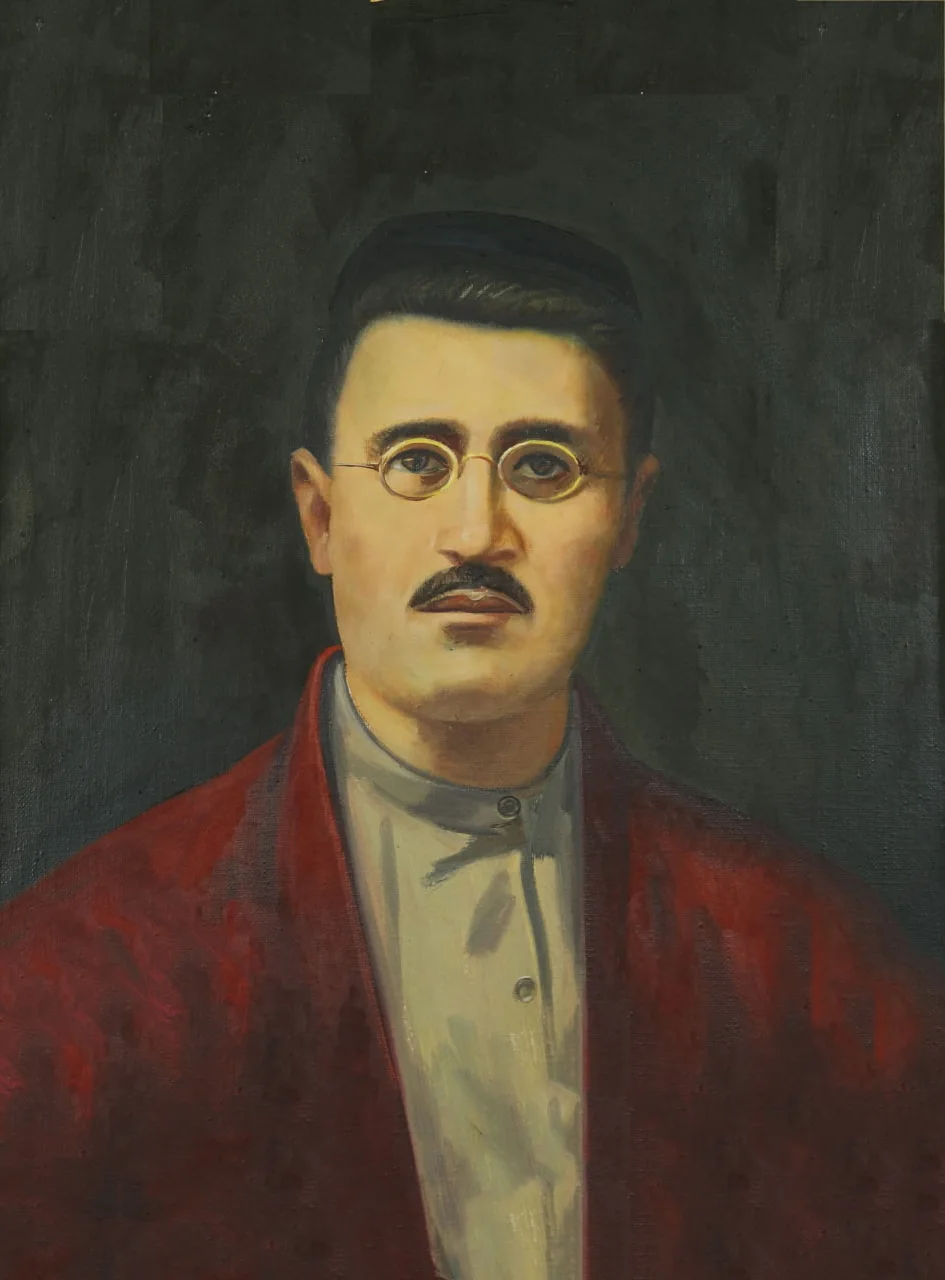
Cho'lpon
1897 – 1938
Voice of modern Uzbek poetry
Cho'lpon — the pen name means "morning star" — was born Abdulhamid Sulaymon o'g'li Yunusov in Andijan in 1897. He studied in both traditional and Russian-native schools and was publishing poetry and journalism in his teens. He pulled Uzbek lyric verse out of classical convention into something recognisably modern, writing in a plain personal voice about longing and the state of his country. His collections Uyg'onish, Buloqlar and Tong sirlari shaped modern Uzbek poetry; he also wrote the novel Kecha va kunduz and translated Shakespeare. He was arrested in 1937 and executed on 4 October 1938.
Read full profile — Cho'lpon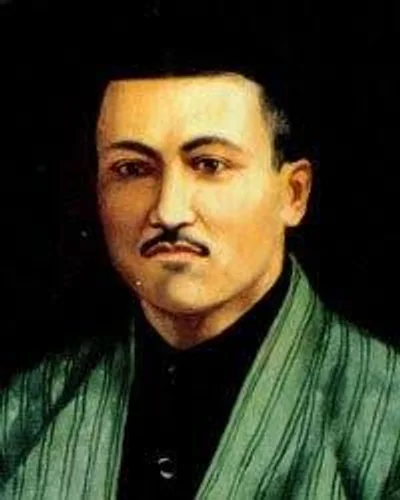
Abdulla Qodiriy
1894 – 1938
Founder of the modern Uzbek novel
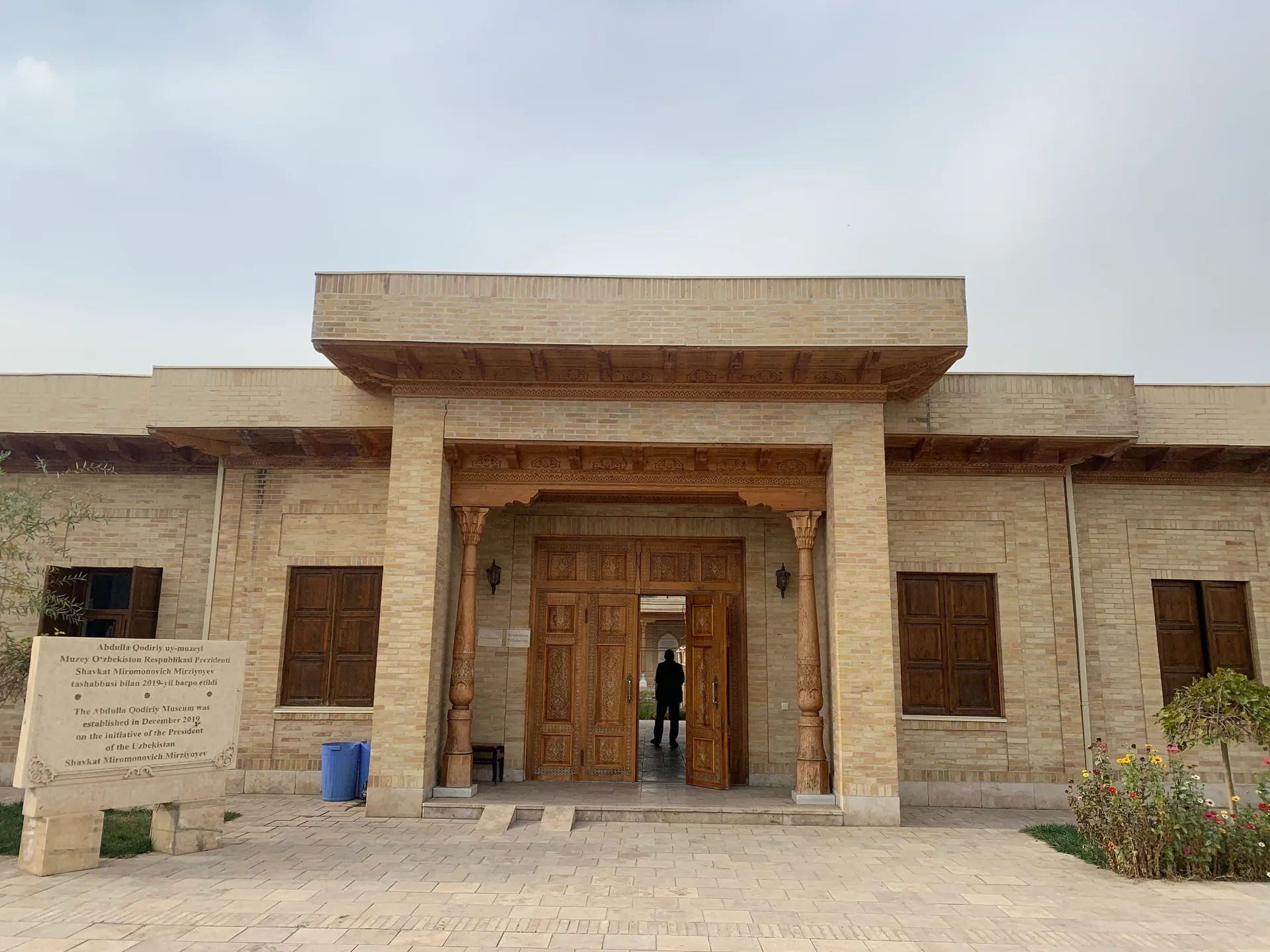
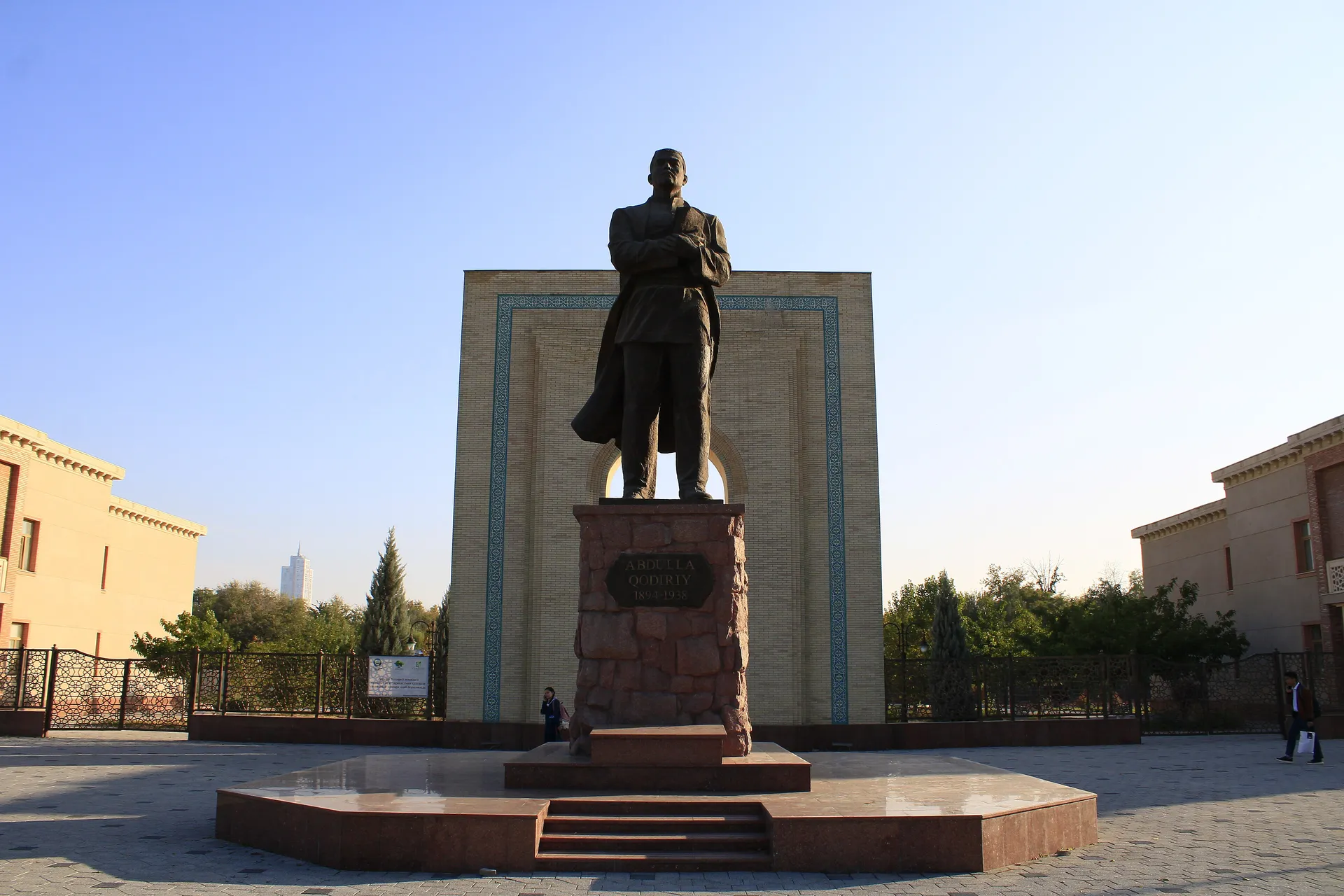
Abdulla Qodiriy was born in Tashkent in 1894. He studied in both traditional and Russian-native schools and worked as a clerk before turning fully to writing. He took a form that did not exist in Uzbek and made it work on the first attempt: O'tgan kunlar (Bygone Days), serialised from 1922, was the first full-length Uzbek novel, and Mehrobdan chayon followed. He also wrote a great deal of satire, much of it aimed at officials of exactly the kind the new state was producing. He was arrested in late 1937 and executed on 4 October 1938.
Read full profile — Abdulla Qodiriy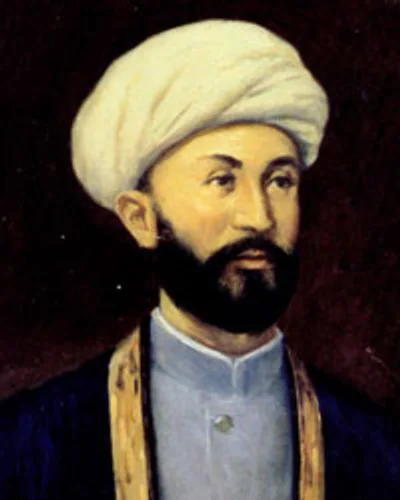
Is'hoqxon Ibrat
1862 – 1937
The printer of the Fergana Valley
Born in 1862 at To'raqo'rg'on near Namangan, Ibrat studied in Kokand and then travelled unusually widely for his time — through Arabia, India and China — learning several languages on the way. He returned to open a new-method school, and in the early 1900s established Matbaai Ishoqiya, one of the first printing presses in the Fergana Valley. He wrote on language, history and culture, including a six-language dictionary, and served as a qazi. He was arrested during the purges and died in 1937.
Read full profile — Is'hoqxon Ibrat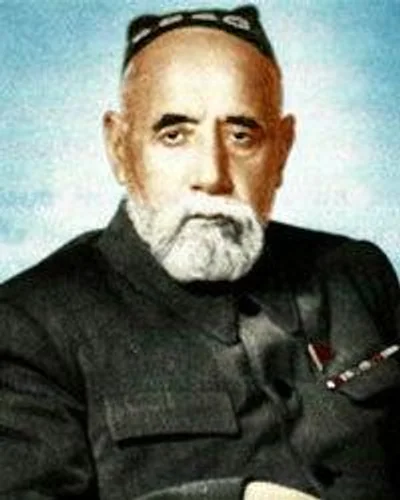
Sadriddin Ayniy
1878 – 1954
The writer who bridged two literatures
Sadriddin Ayniy was born in 1878 in a village near Bukhara. Orphaned young, he studied in the city's madrasas and joined the Jadid movement, which cost him a public flogging by order of the Emir in 1917. He wrote in both Tajik and Uzbek and became a major figure in each literature. His novels Dokhunda, Ghulomon (Slaves) and Margi sudkhur (Death of the Usurer), together with his multi-volume memoirs, are classics. Unlike most of his generation he survived the purges, later became the first President of the Academy of Sciences of Tajikistan, and died in 1954.
Read full profile — Sadriddin Ayniy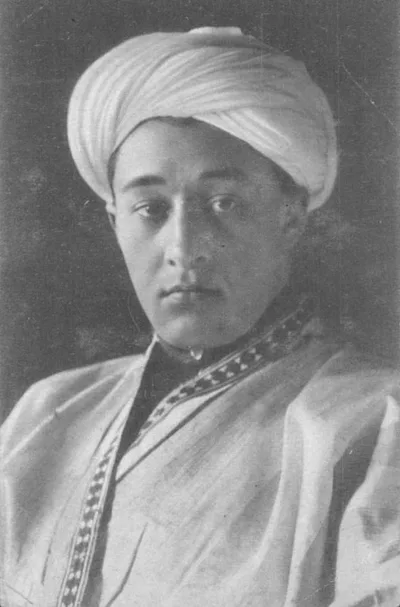
Fayzulla Xo'jayev
1896 – 1938
Political leader of the Young Bukharans
Fayzulla Xo'jayev was born in Bukhara in 1896 into a wealthy merchant family. He studied in Moscow as a teenager and came home committed to reform, becoming a leading figure among the Young Bukharans and using his family's money to fund schools and political work. After the Emirate fell in 1920 he headed the government of the Bukharan People's Soviet Republic, and from 1925 to 1937 chaired the Council of People's Commissars of the Uzbek SSR. He was arrested in 1937, tried in the Moscow show trial of 1938, and executed.
Read full profile — Fayzulla Xo'jayev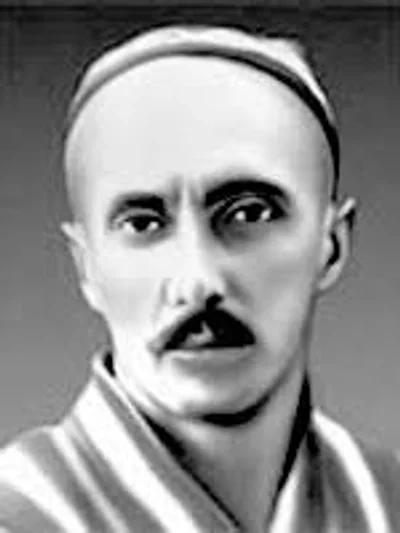
Hamza Hakimzoda Niyoziy
1889 – 1929
Founder of modern Uzbek musical theatre
Hamza was born in Kokand in 1889 into a family of healers. He studied in traditional schools and madrasas before joining the Jadid movement, opening new-method schools in Tashkent, Kokand and Margilan and writing the textbooks for them. He wrote poetry, plays and songs, and is regarded as a founder of modern Uzbek drama and musical theatre; his work argued insistently for education, social justice and the position of women. Named People's Writer of Uzbekistan in 1926, he was killed at Shohimardon in 1929.
Read full profile — Hamza Hakimzoda Niyoziy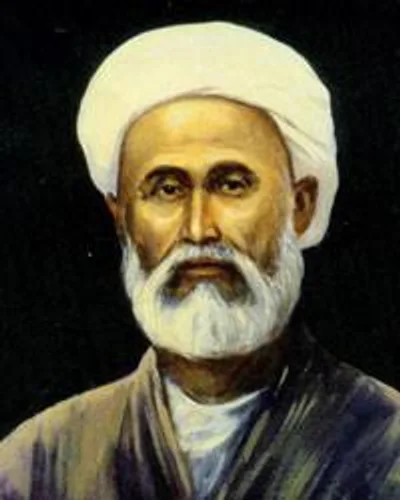
Siddiqiy-Ajziy
1864 – 1927
A jadid poet and teacher from the Samarkand region who ran a new-method school and wrote verse urging his readers toward learning and reform.
Read full profile — Siddiqiy-Ajziy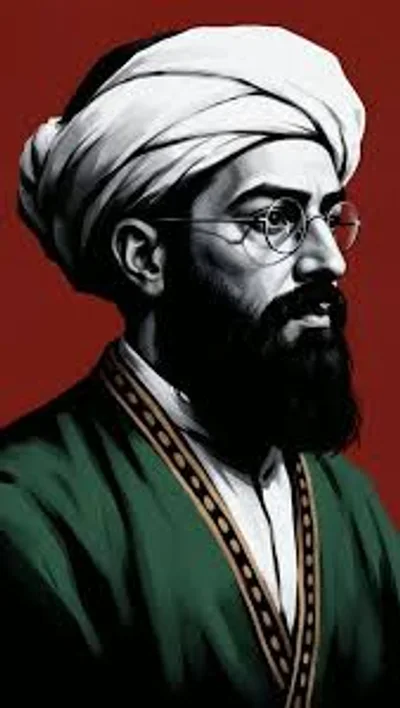
Hoji Muin
1883 – 1942
A Samarkand jadid and close associate of Behbudiy who wrote plays and articles for the reform press and taught in new-method schools. He was a victim of the Stalinist repressions.
Read full profile — Hoji Muin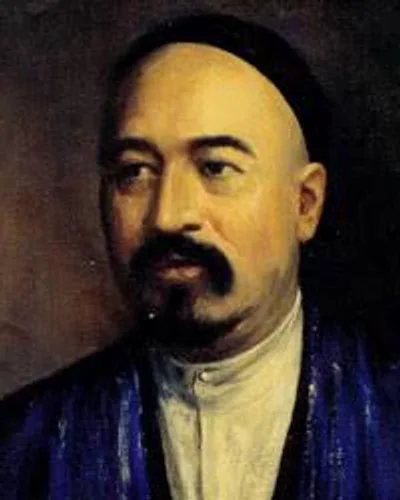
Ashurali Zohiriy
1885 – 1937
A jadid educator and journalist from Kokand who wrote school textbooks and studies of the Uzbek language. He was a victim of the 1937 repressions.
Read full profile — Ashurali Zohiriy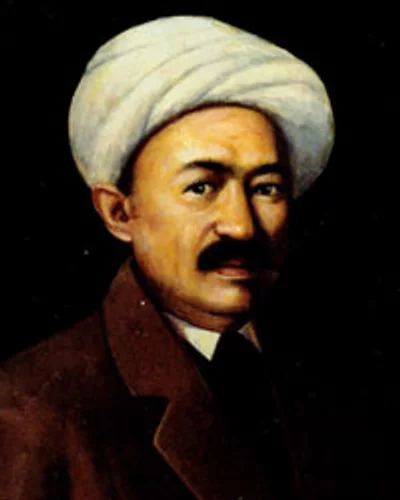
Tavallo
1883 – 1937
A Tashkent jadid poet whose collection Ravnaq ul-Islom (1916) called for schooling, unity and progress. He was executed in 1937.
Read full profile — Tavallo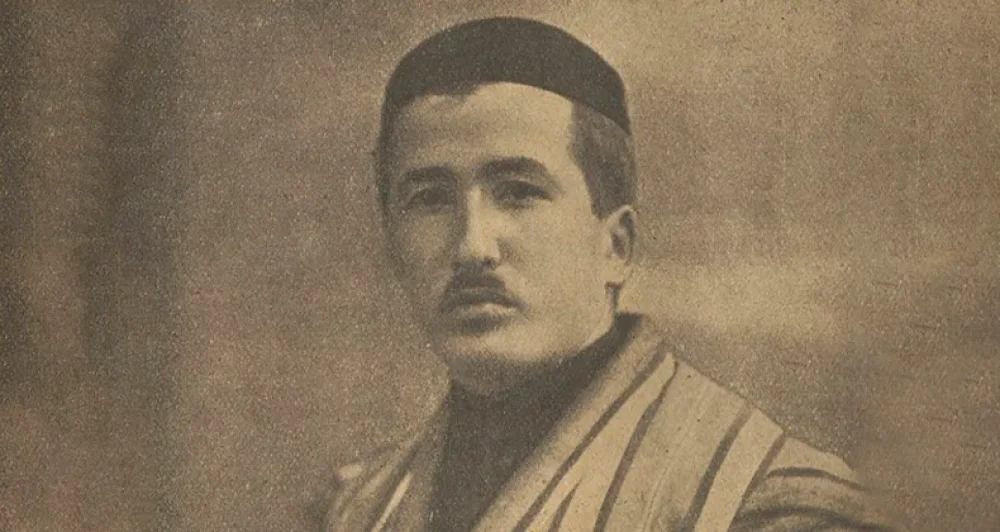
Elbek
1898 – 1939
Born Mashriq Yunusov, he wrote poetry, children's books and early Uzbek school textbooks, and compiled the first Uzbek dictionary of homonyms. He died in a Magadan labour camp in 1939.
Read full profile — Elbek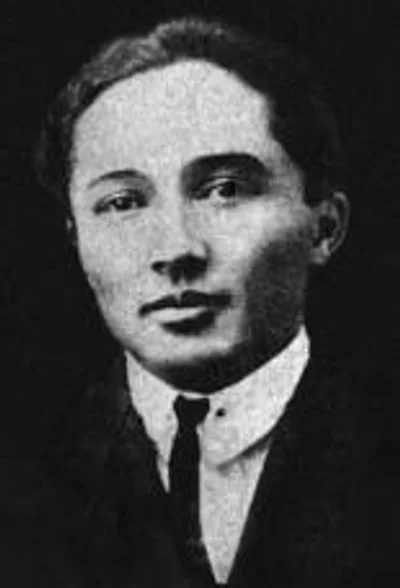
Botu
1904 – 1938
Born Mahmud Hodiyev, he was a poet, journalist and, from 1928, deputy people's commissar of education of Uzbekistan. Arrested in 1930, he died in 1938, a victim of the repressions.
Read full profile — Botu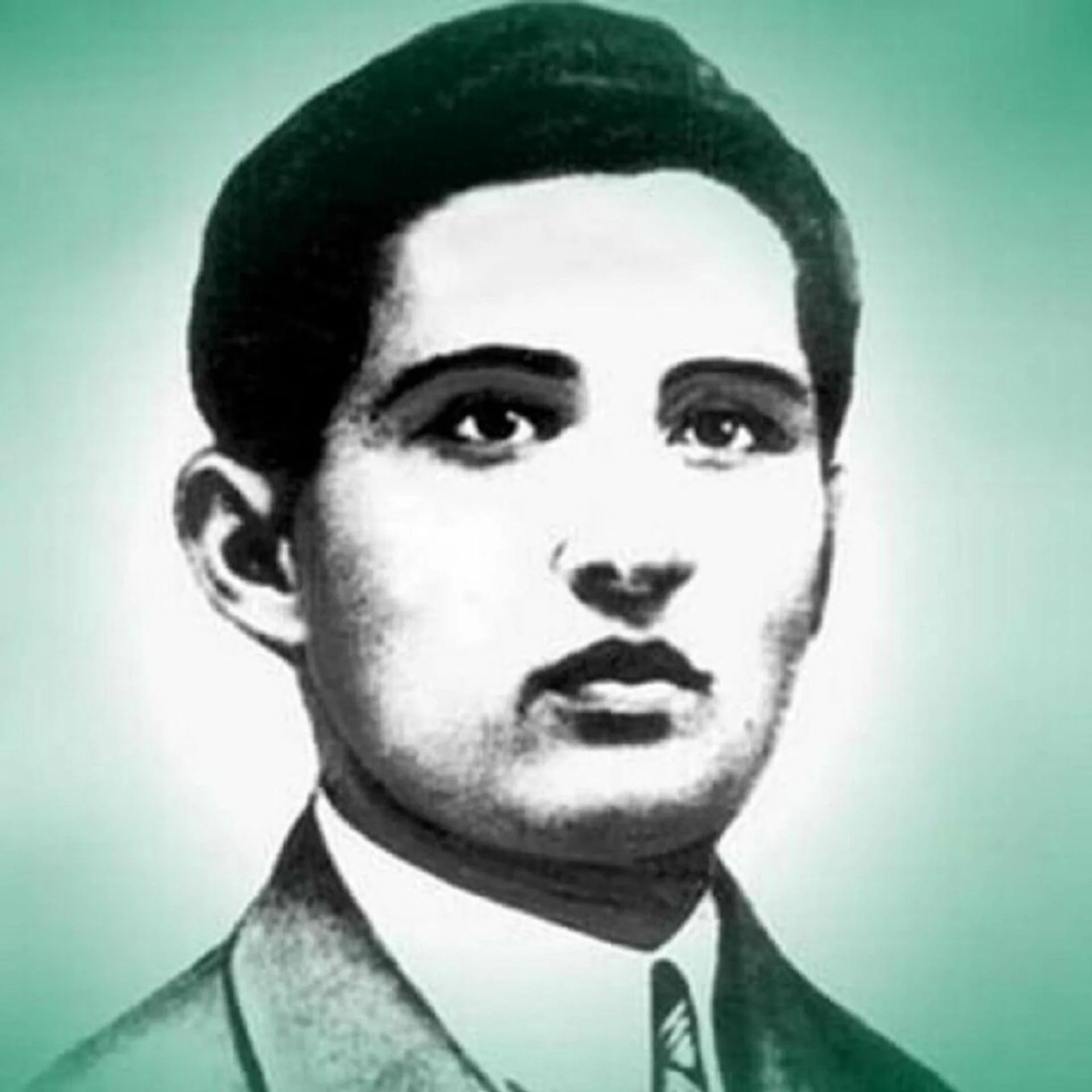
Usmon Nosir
1912 – 1944
A gifted lyric poet and playwright, author of the collection Yurak ("Heart", 1935), and translator of Pushkin, Lermontov and Goethe into Uzbek. Arrested in 1937, he died in a labour camp in 1944.
Read full profile — Usmon Nosir