
Across the country
Famous places
Every place from the fourteen region pages in one list — filter by region or search by name.
84 places
No place matches your search.
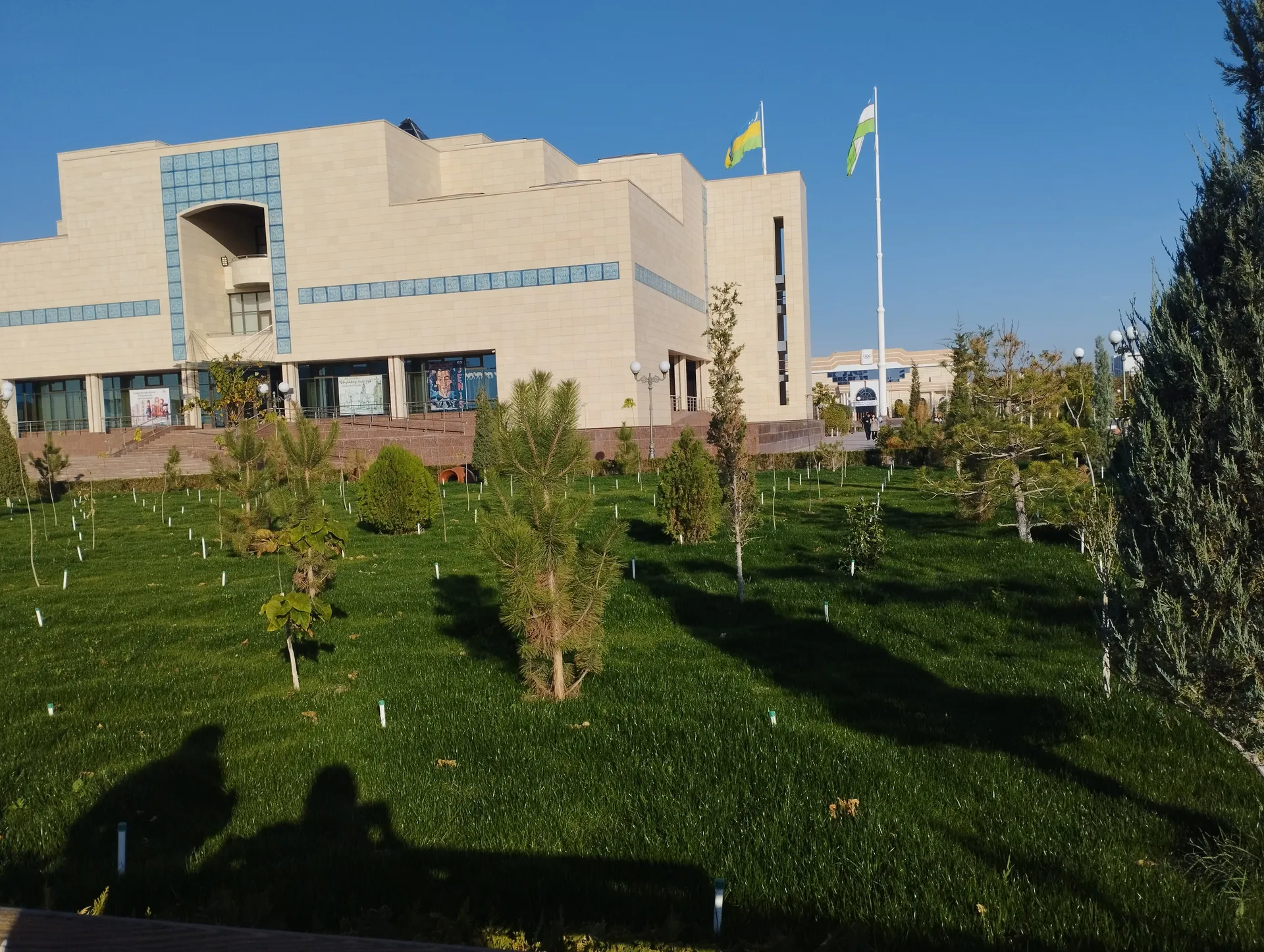
Karakalpakstan Autonomous Republic
Savitsky Museum, Nukus
Around 100,000 works, including banned Soviet avant-garde painting saved here.
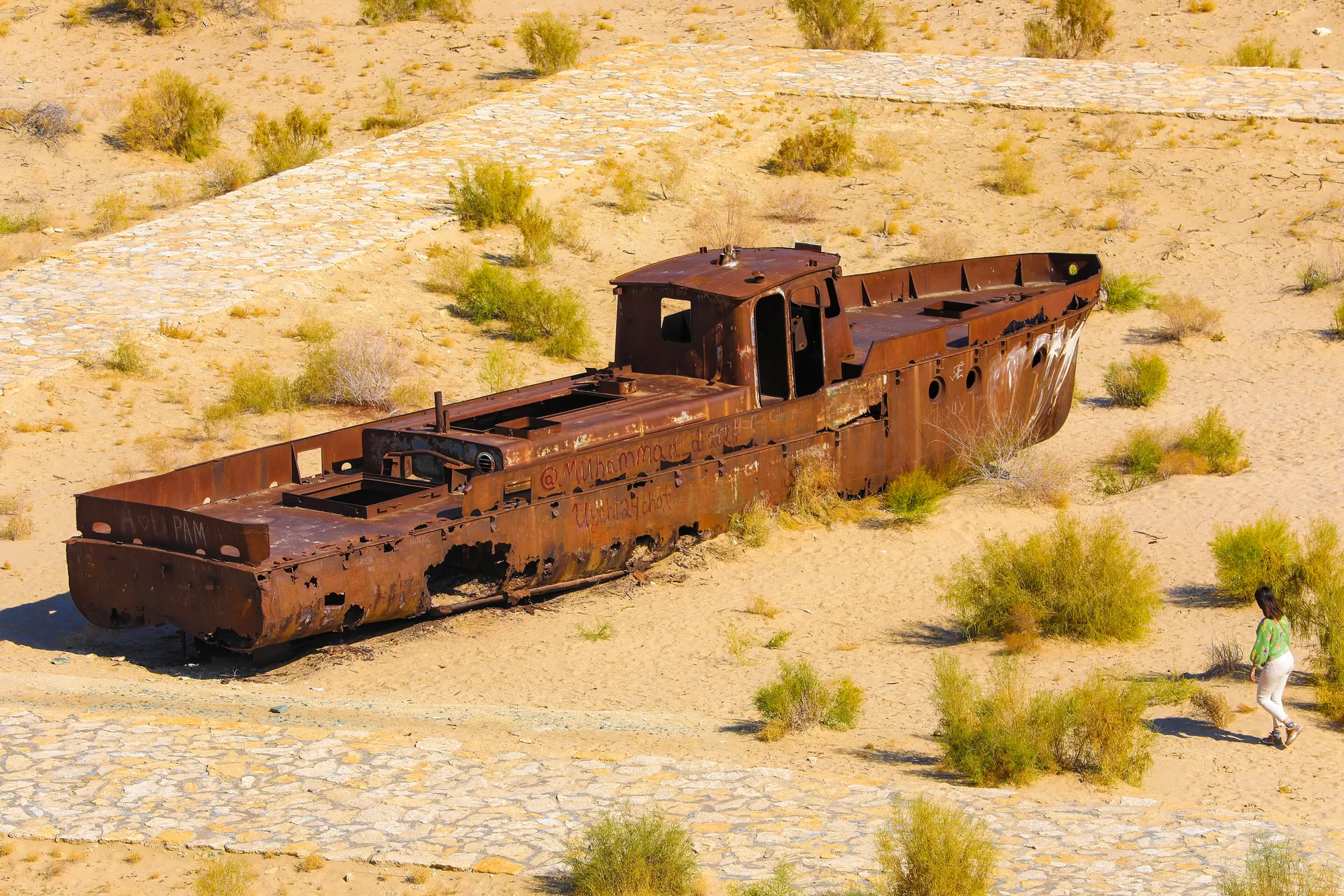
Karakalpakstan Autonomous Republic
Moynaq ship cemetery
Fishing trawlers left standing on what used to be the seabed.
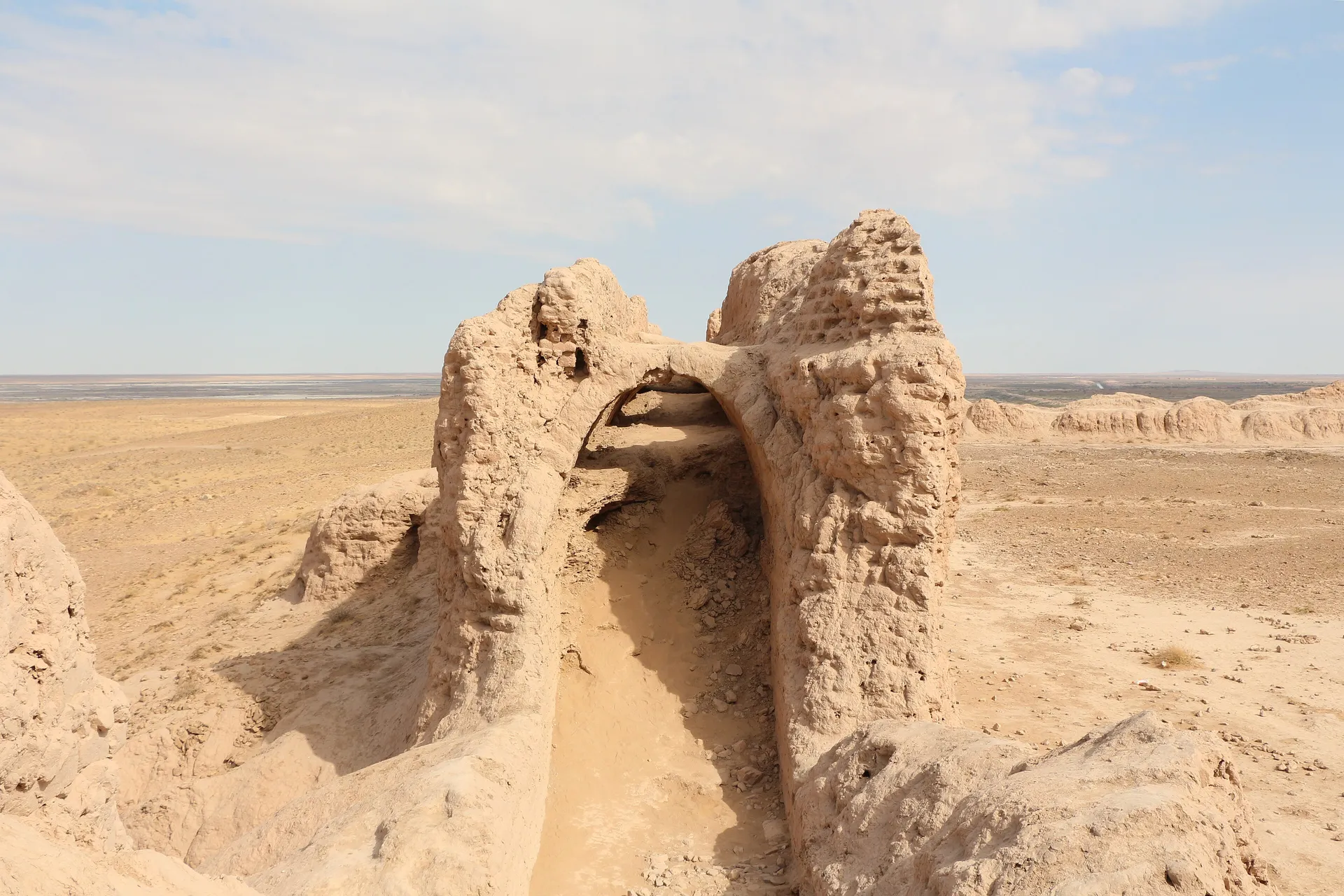
Karakalpakstan Autonomous Republic
Ayaz-Kala
Ancient Khorezmian desert fortresses on a ridge above the Kyzylkum.
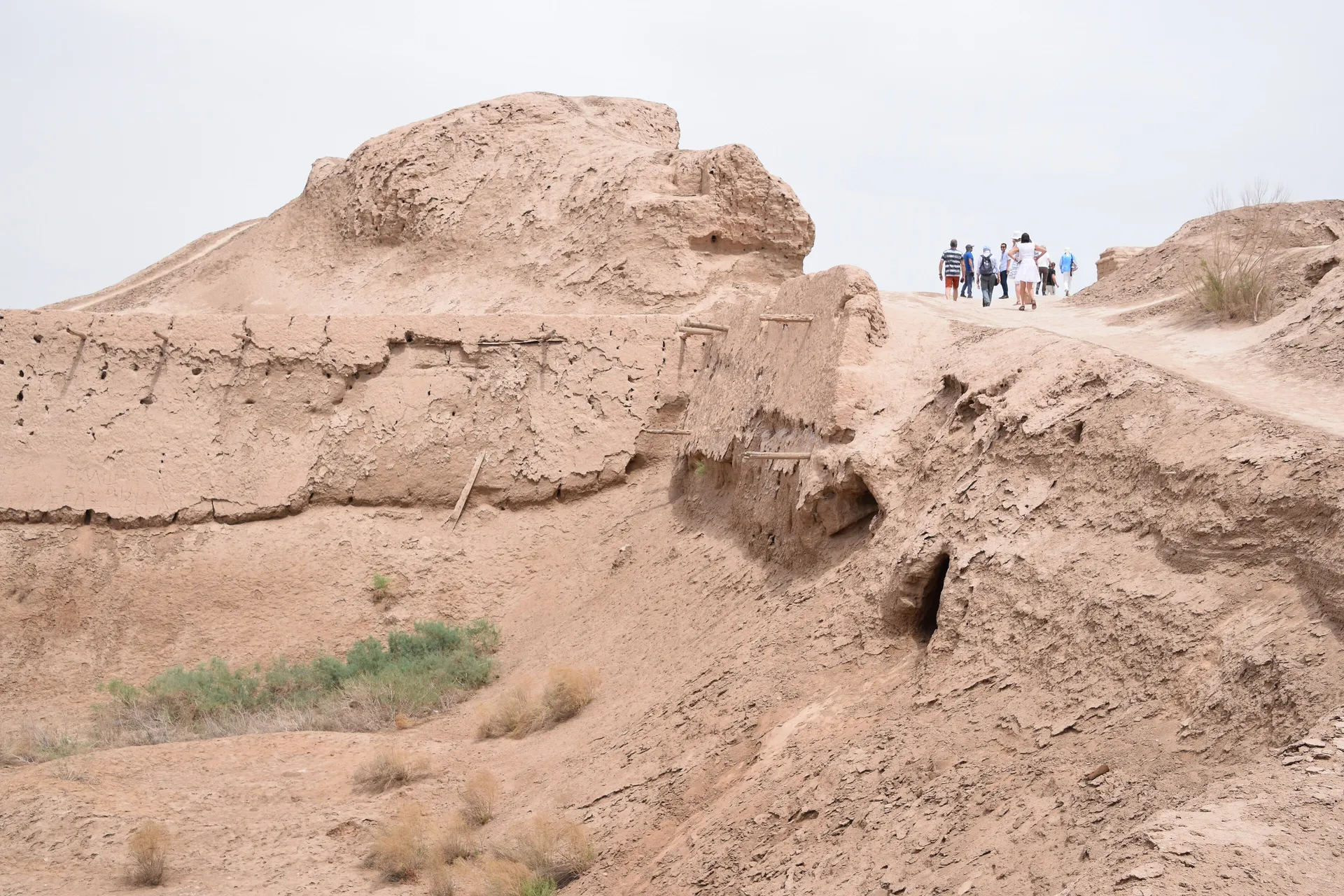
Karakalpakstan Autonomous Republic
Toprak-Kala
The palace-city of the kings of ancient Khorezm, at its height in the 3rd century AD.
Karakalpakstan Autonomous Republic
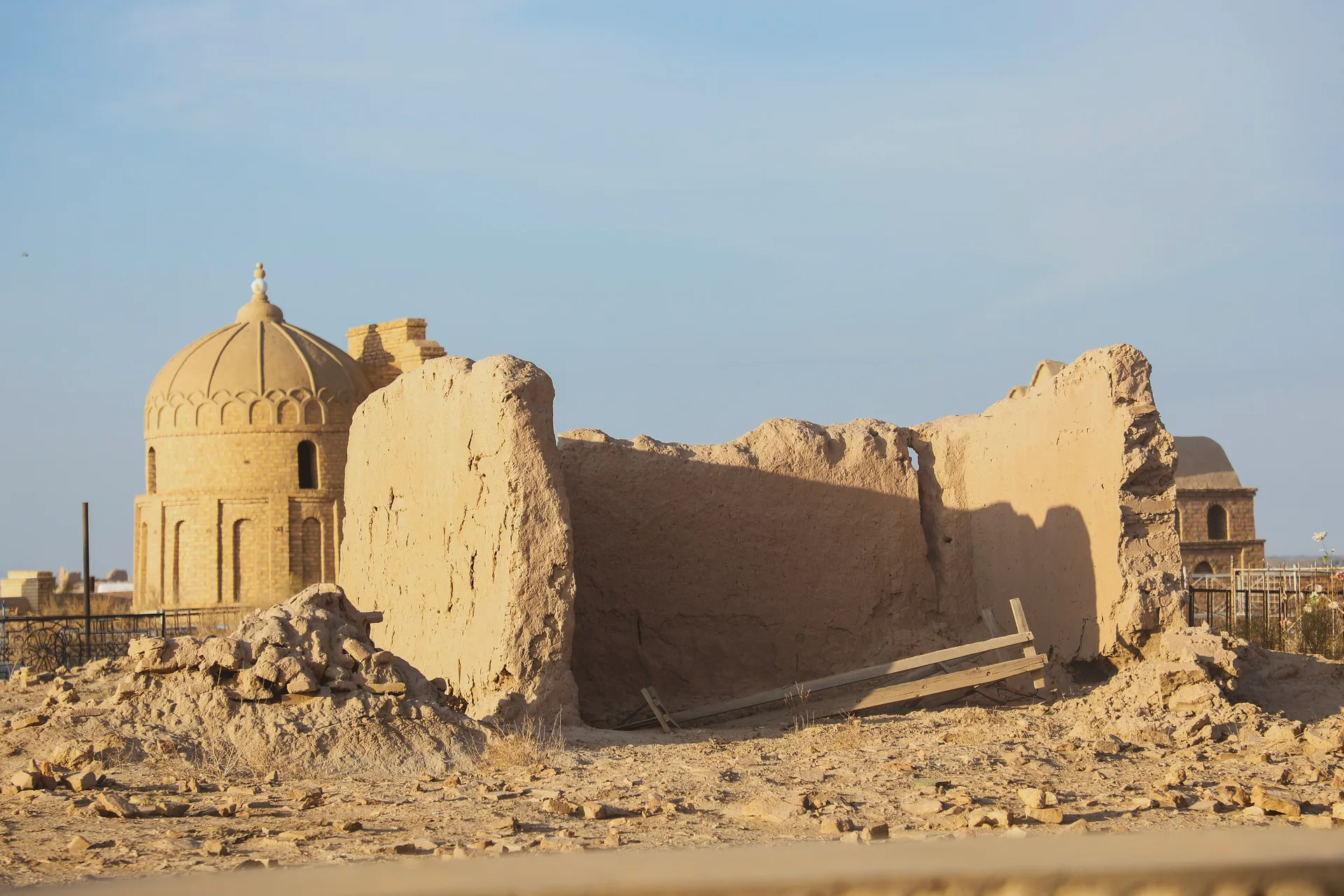
Mizdakhan Necropolis
A vast hillside burial ground near Khojeli, in use for more than two thousand years.
Karakalpakstan Autonomous Republic
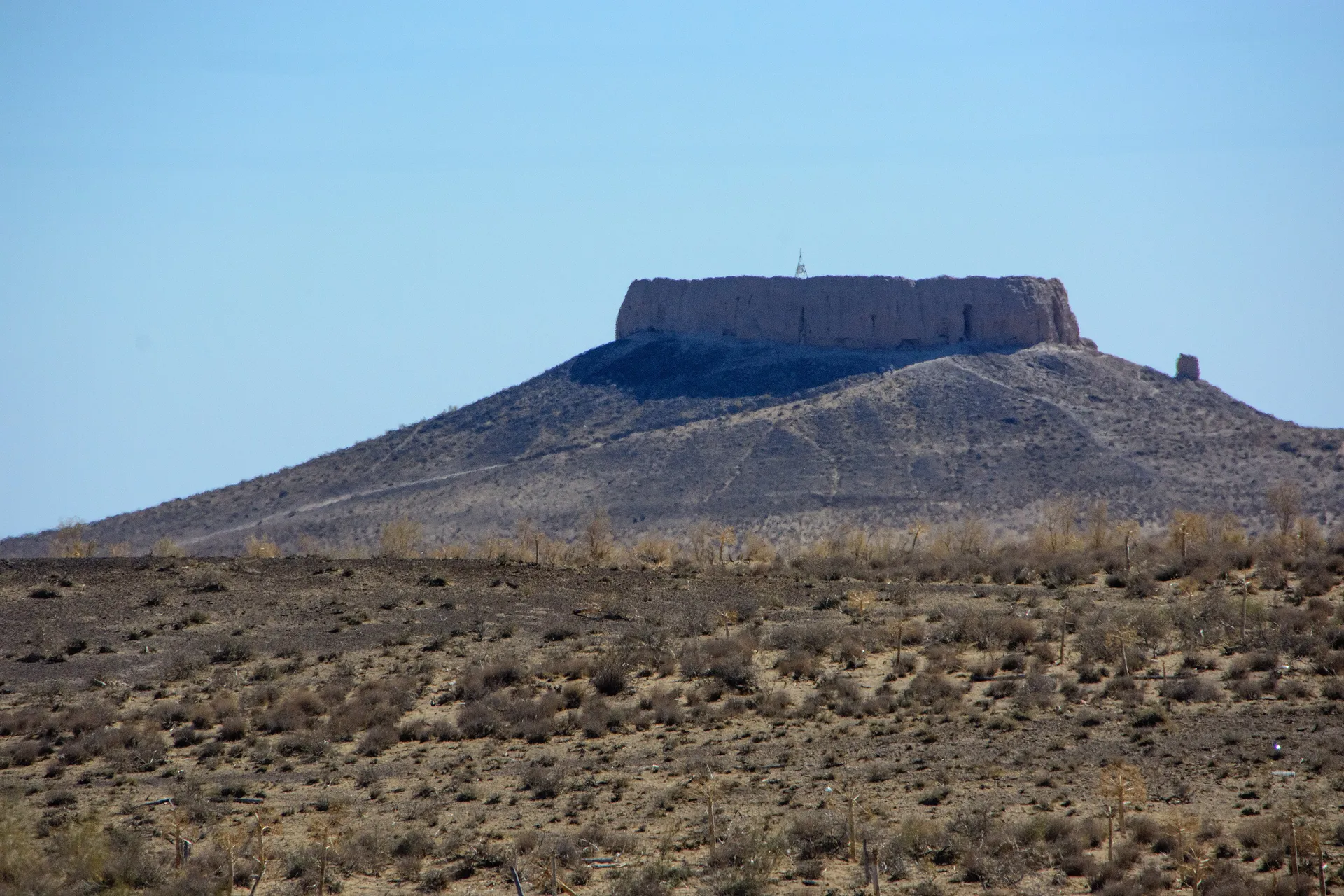
Chilpik
A Zoroastrian tower of silence on a hill above the Amu Darya.
Andijan
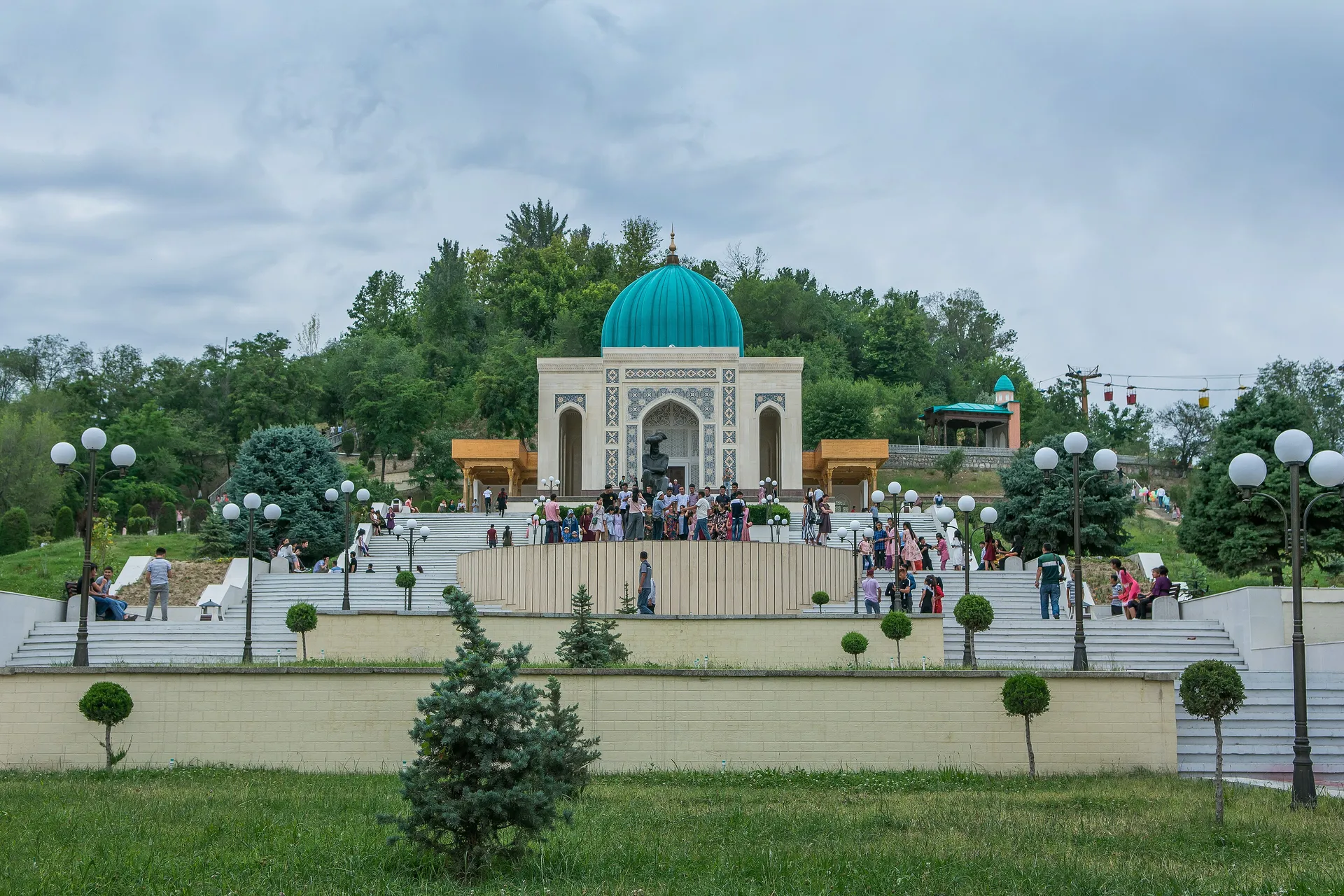
Babur Memorial Park
A hilltop memorial above the city, with soil brought from his grave in Kabul.
Andijan
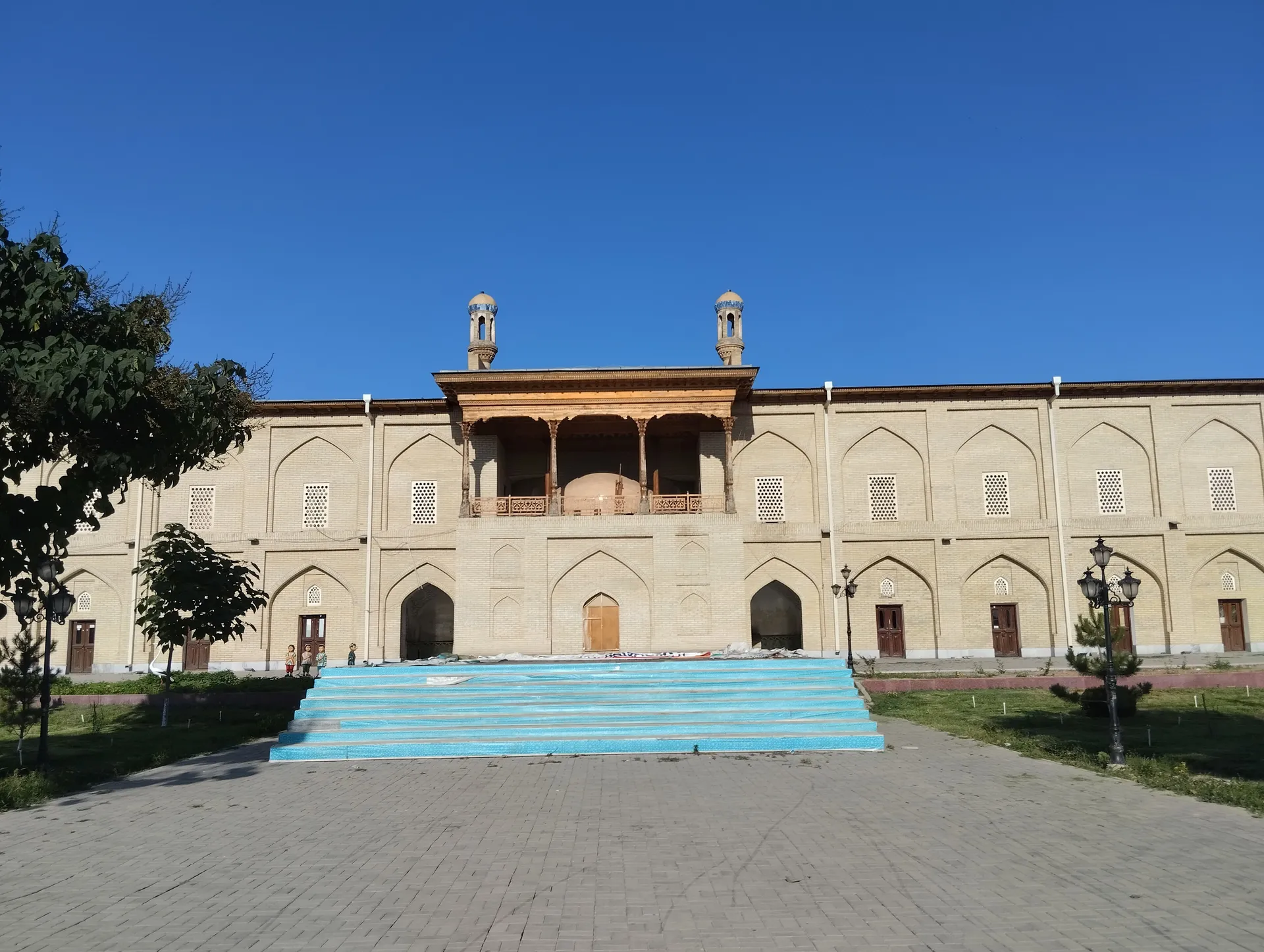
Jome Complex
A 19th-century mosque and madrasah with a long carved-wood colonnade.
Andijan
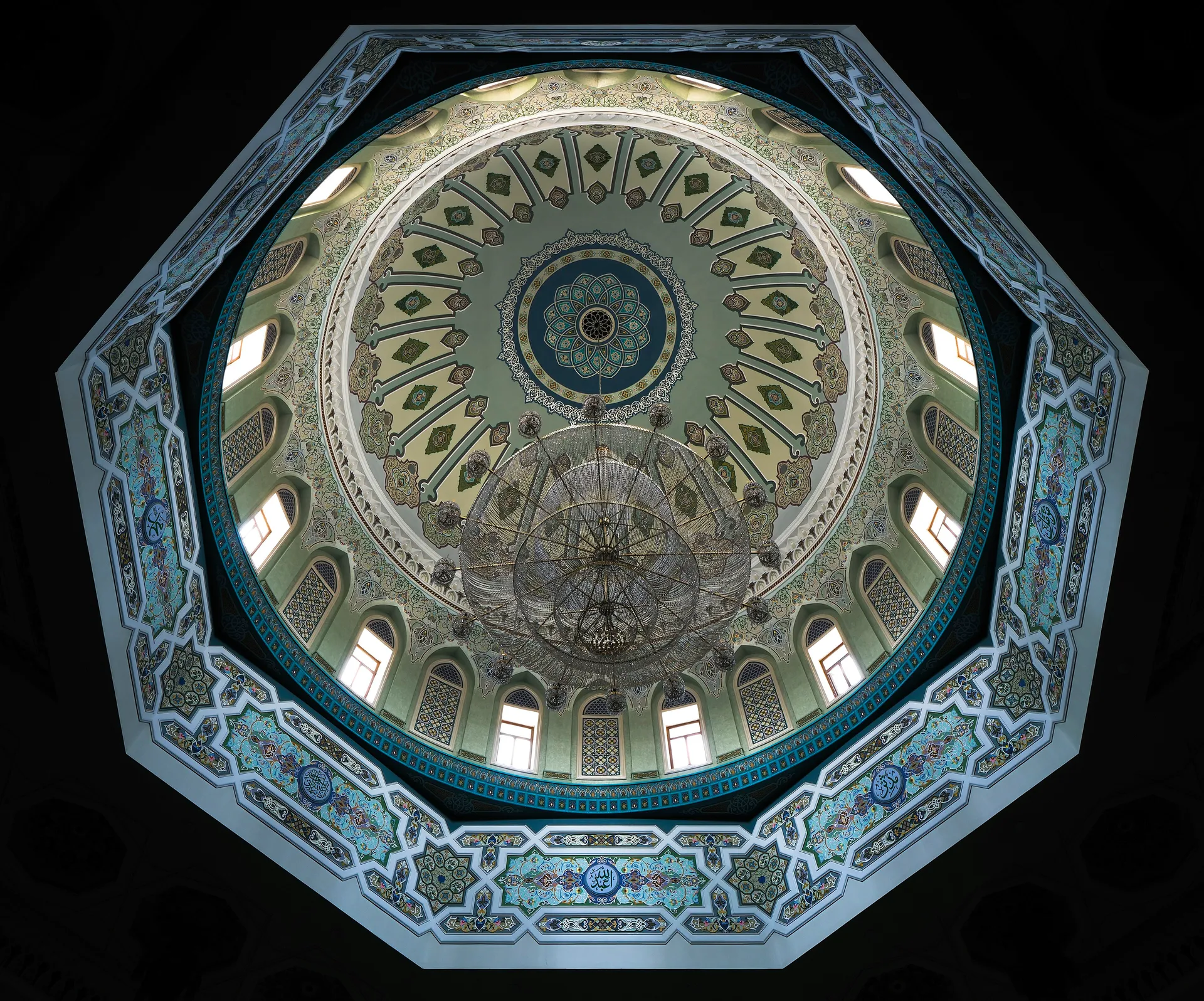
Devonaboy Mosque
An Andijan mosque with a green ribbed dome and a richly painted interior.
Andijan
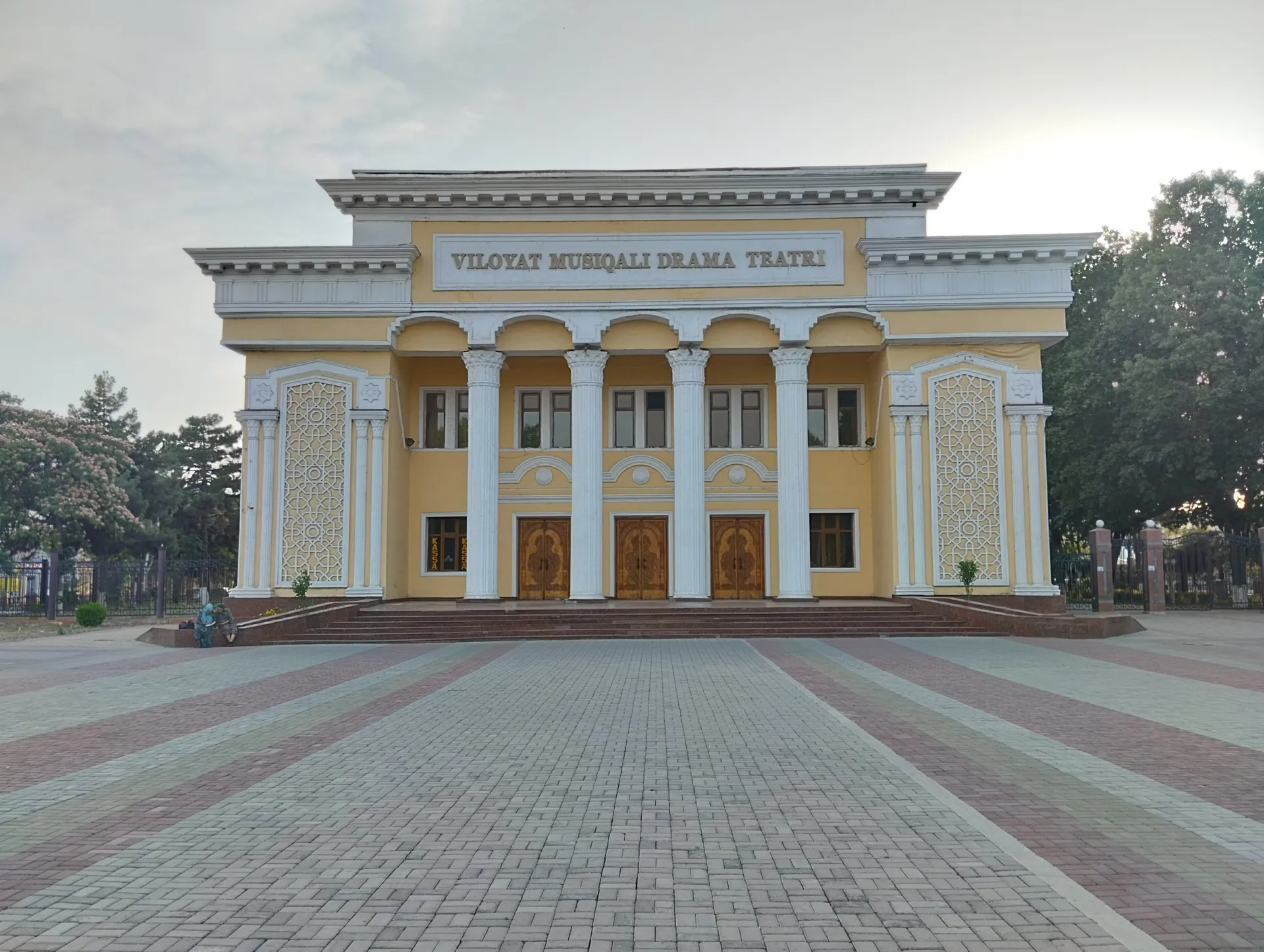
Andijan Music and Drama Theatre
A columned theatre in the city centre, staging Uzbek musical drama.
Andijan
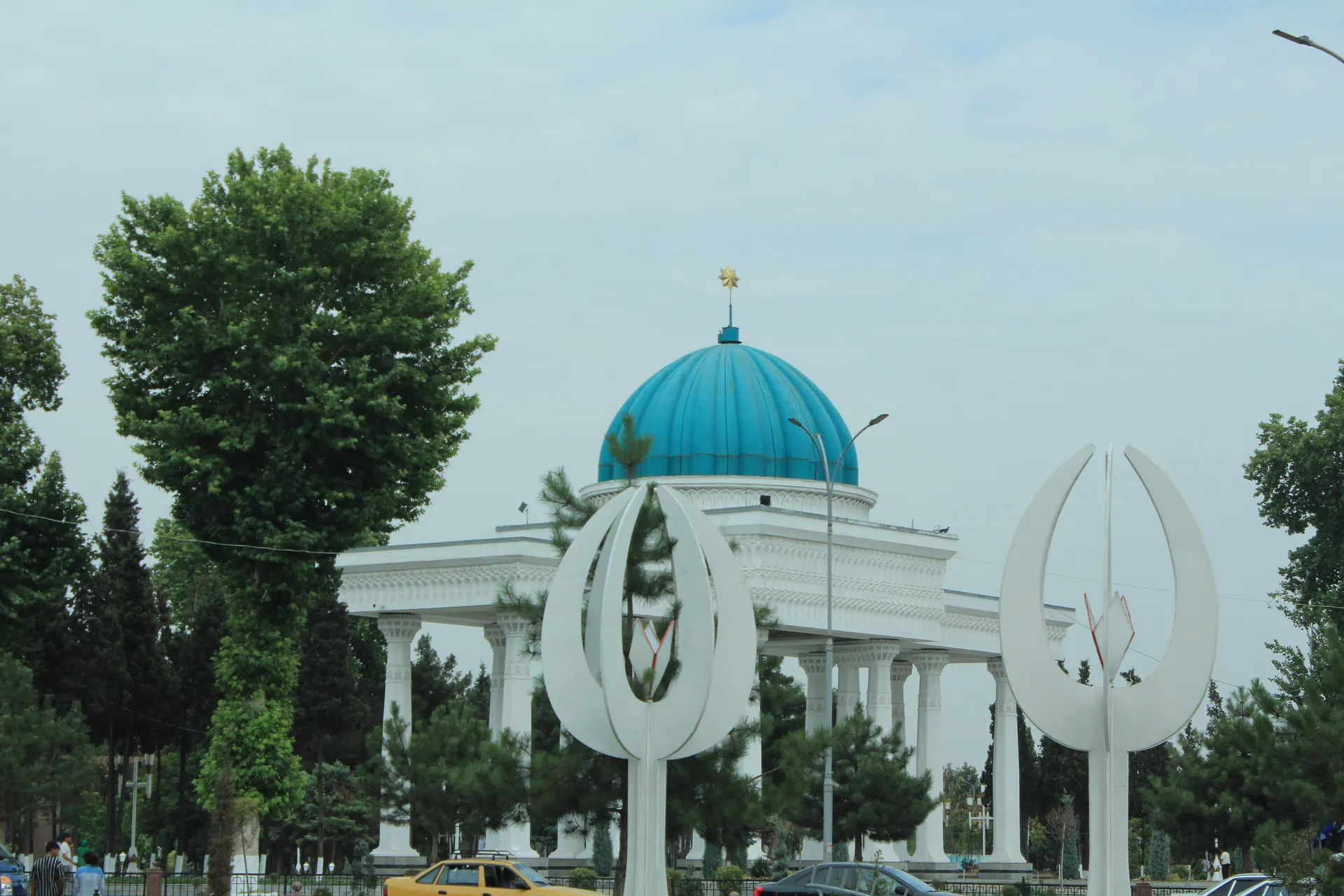
Alisher Navoi Park
The city's central park of culture and leisure, shaded by old plane trees.
Andijan
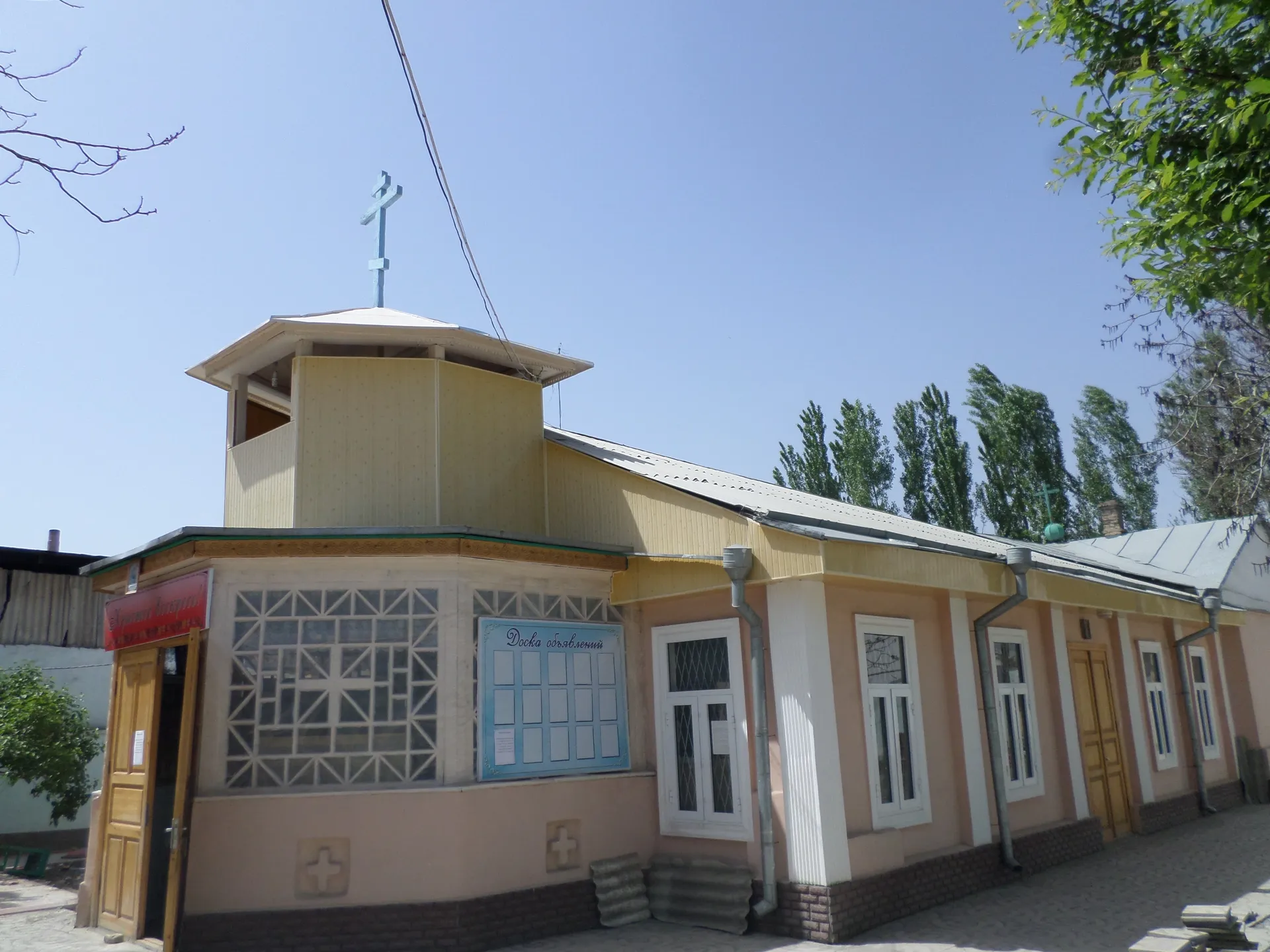
All Saints Church, Andijan
A small Orthodox church on a quiet street, with an iconostasis inside.
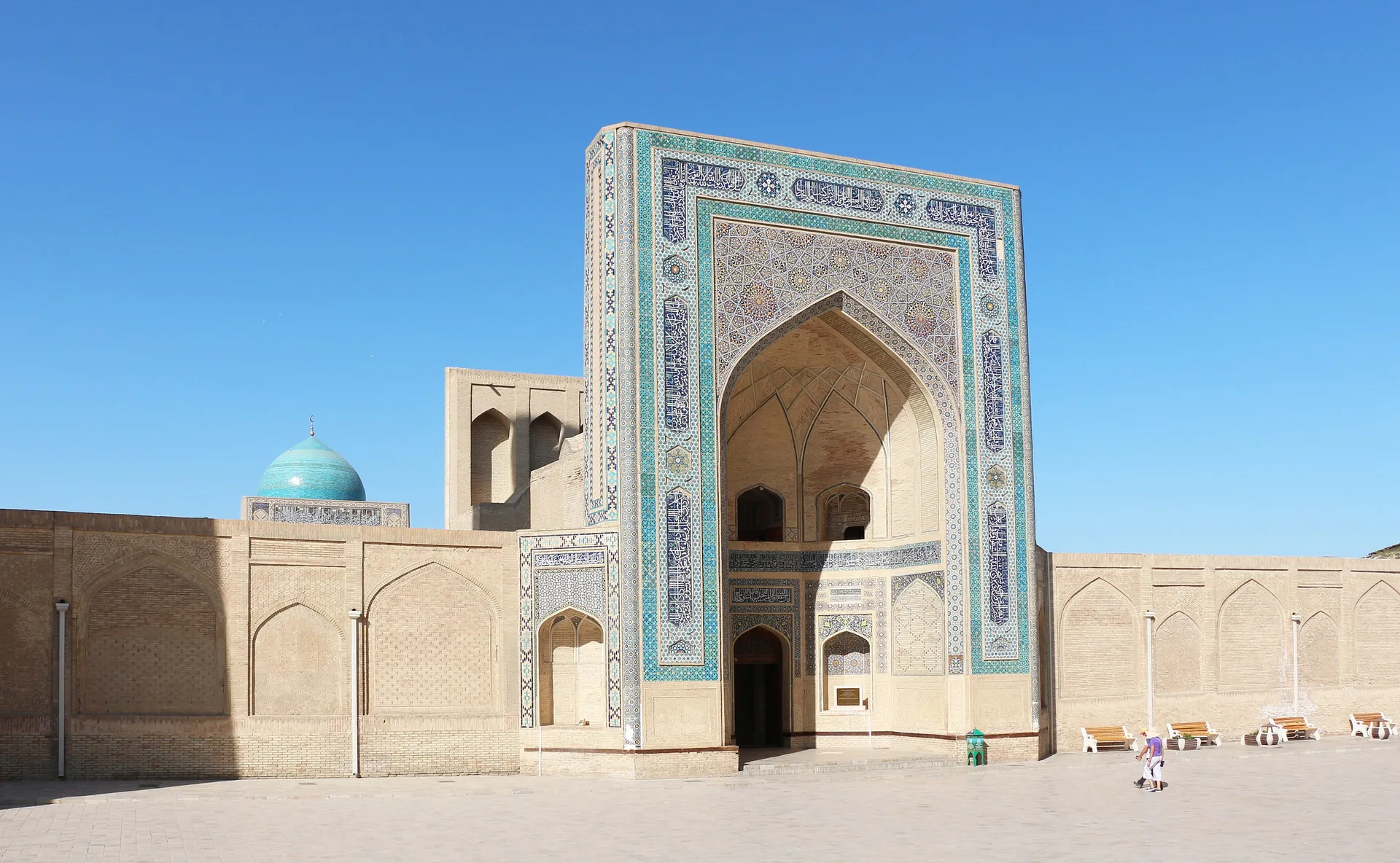
Bukhara
Poi Kalyan
The 1127 minaret, the great mosque and the Mir-i-Arab madrasah in one square.
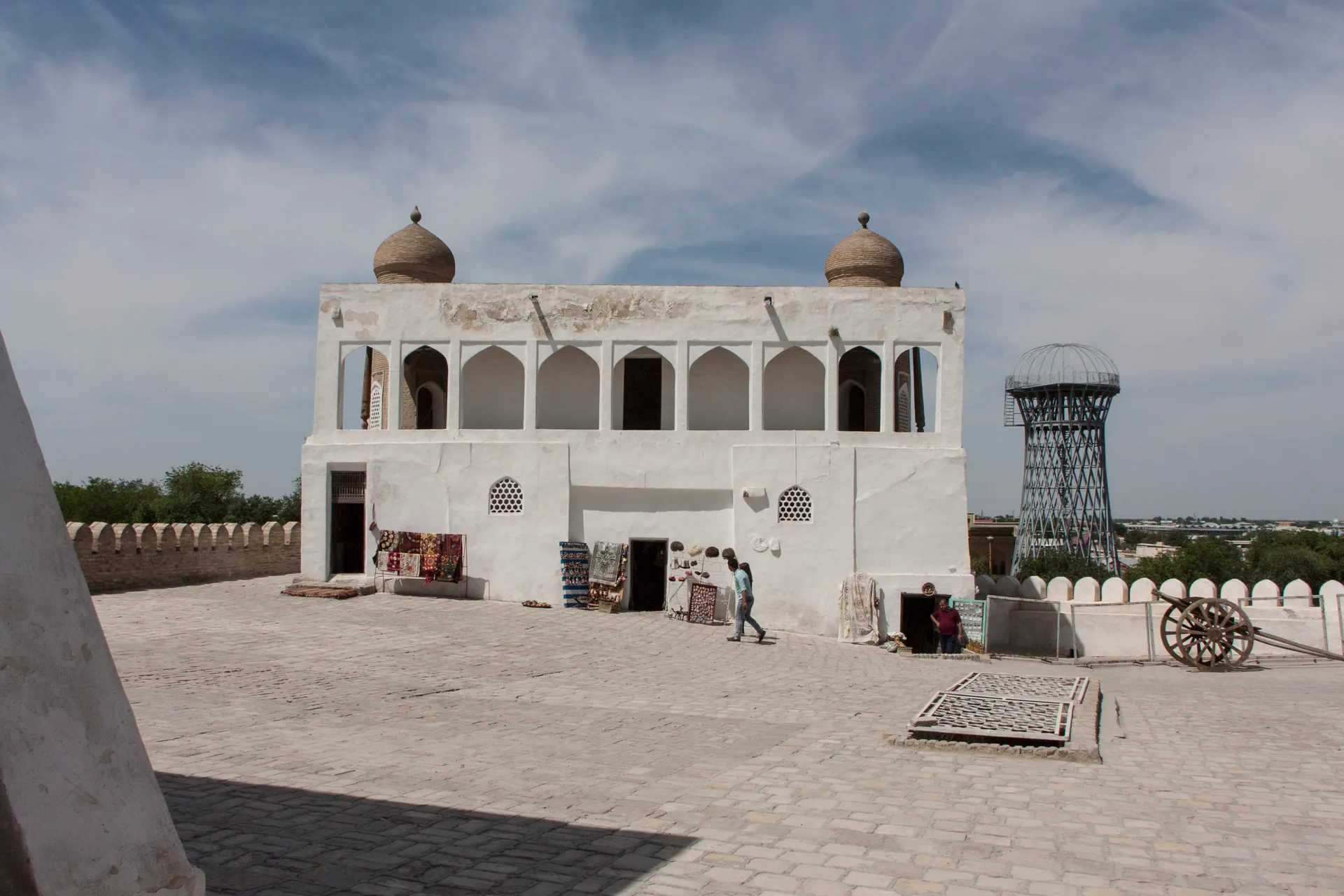
Bukhara
The Ark Fortress
The emirs' citadel, occupied on the same mound for well over a thousand years.
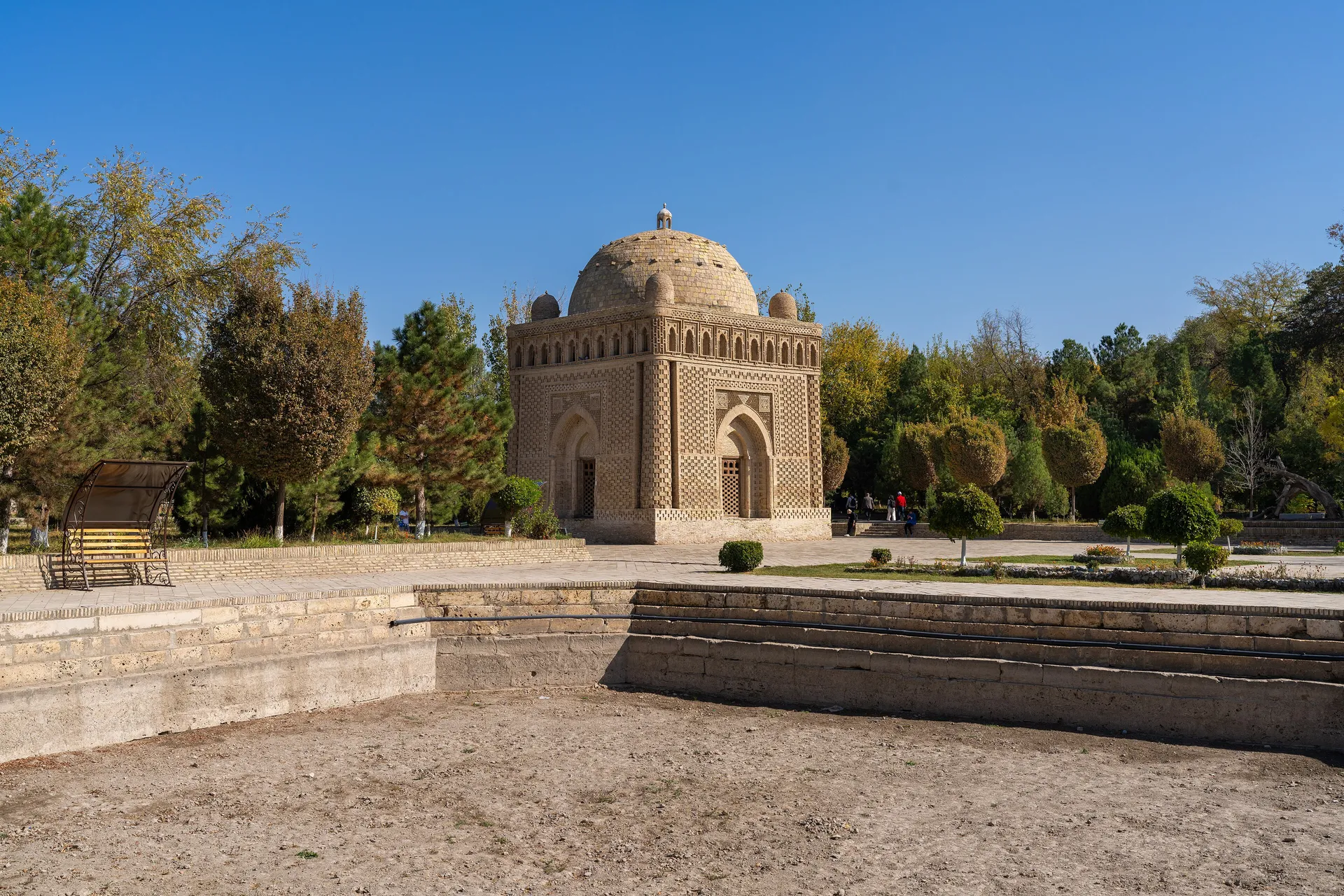
Bukhara
Samanid Mausoleum
Around 1,100 years old, built entirely in patterned brick, and buried in sand until 1934.
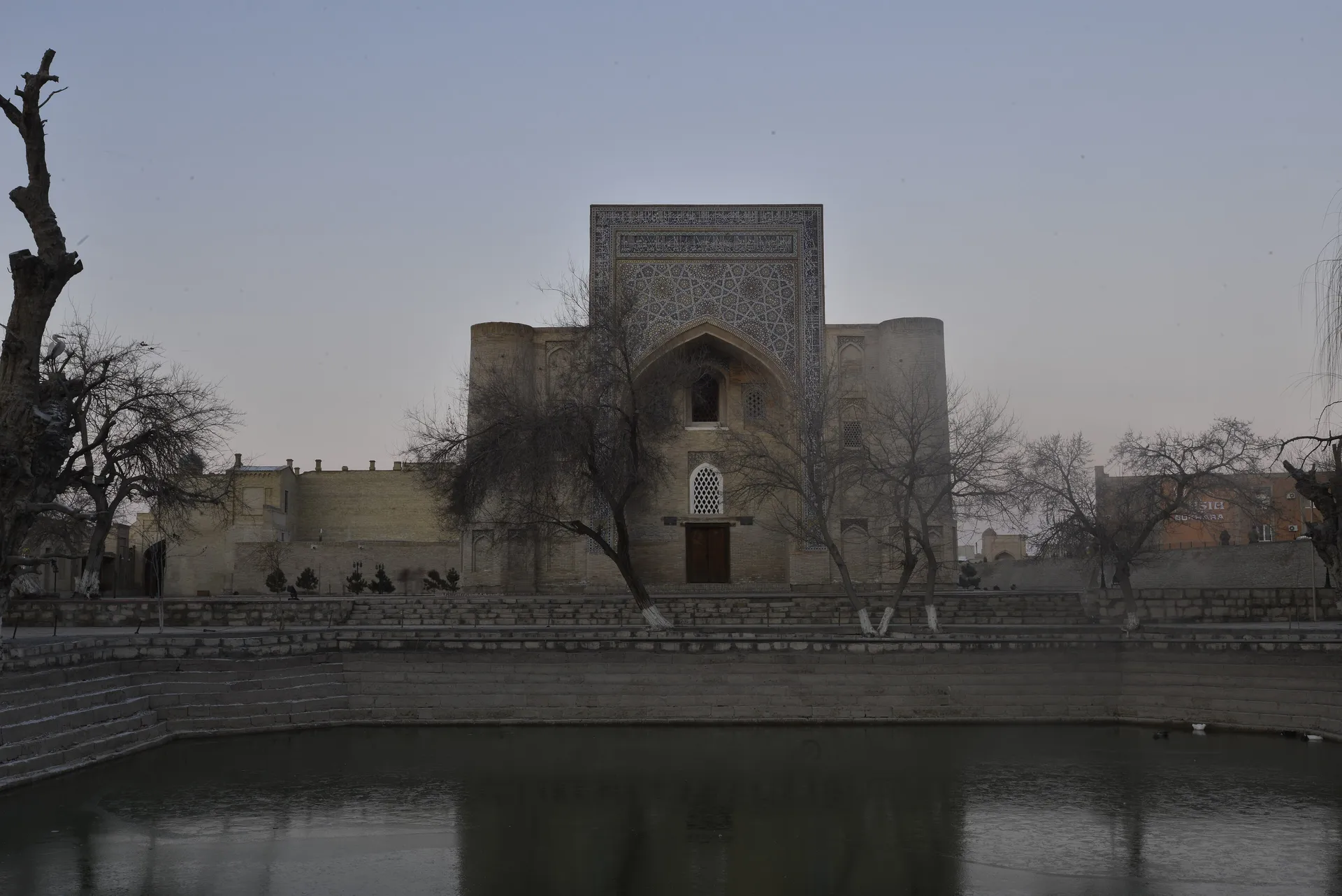
Bukhara
Lyab-i Hauz
A 17th-century pool shaded by old mulberry trees, framed by a madrasah and a khanaqah.
Bukhara
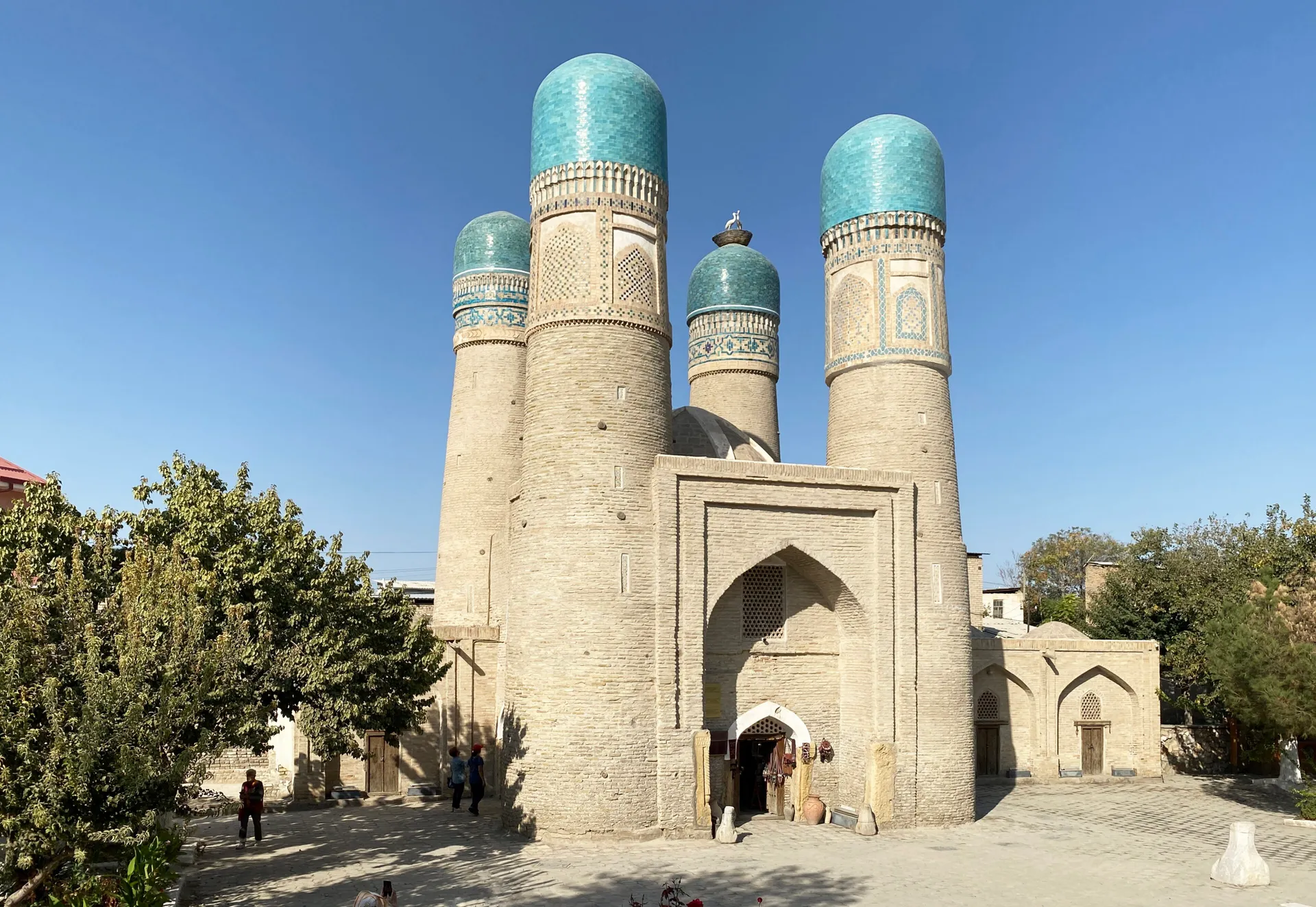
Chor Minor
A small gatehouse of 1807 crowned by four towers with turquoise domes.
Bukhara
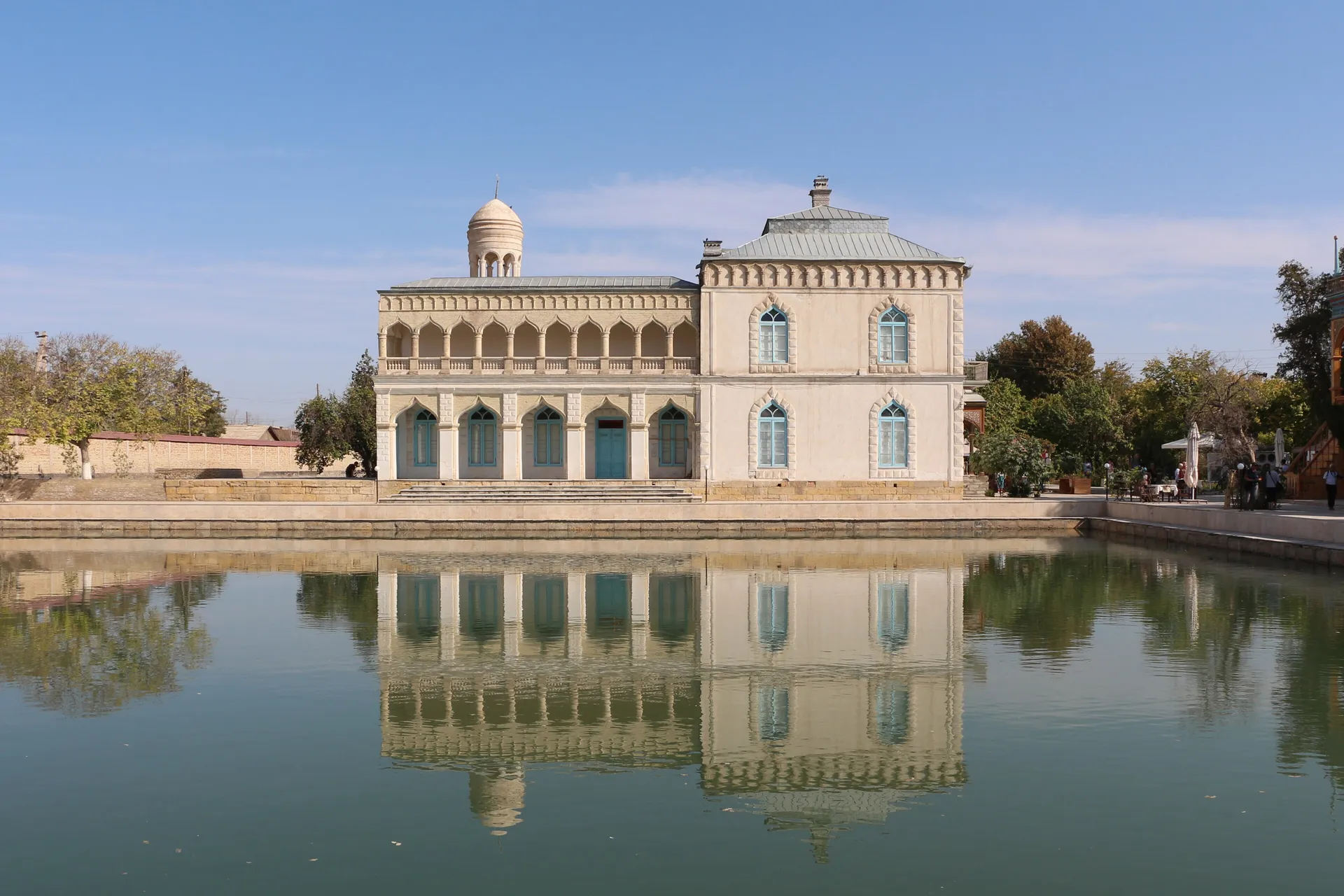
Sitorai Mohi Xosa
The summer palace of Bukhara's last emirs, where Russian and Bukharan styles meet.
Fergana
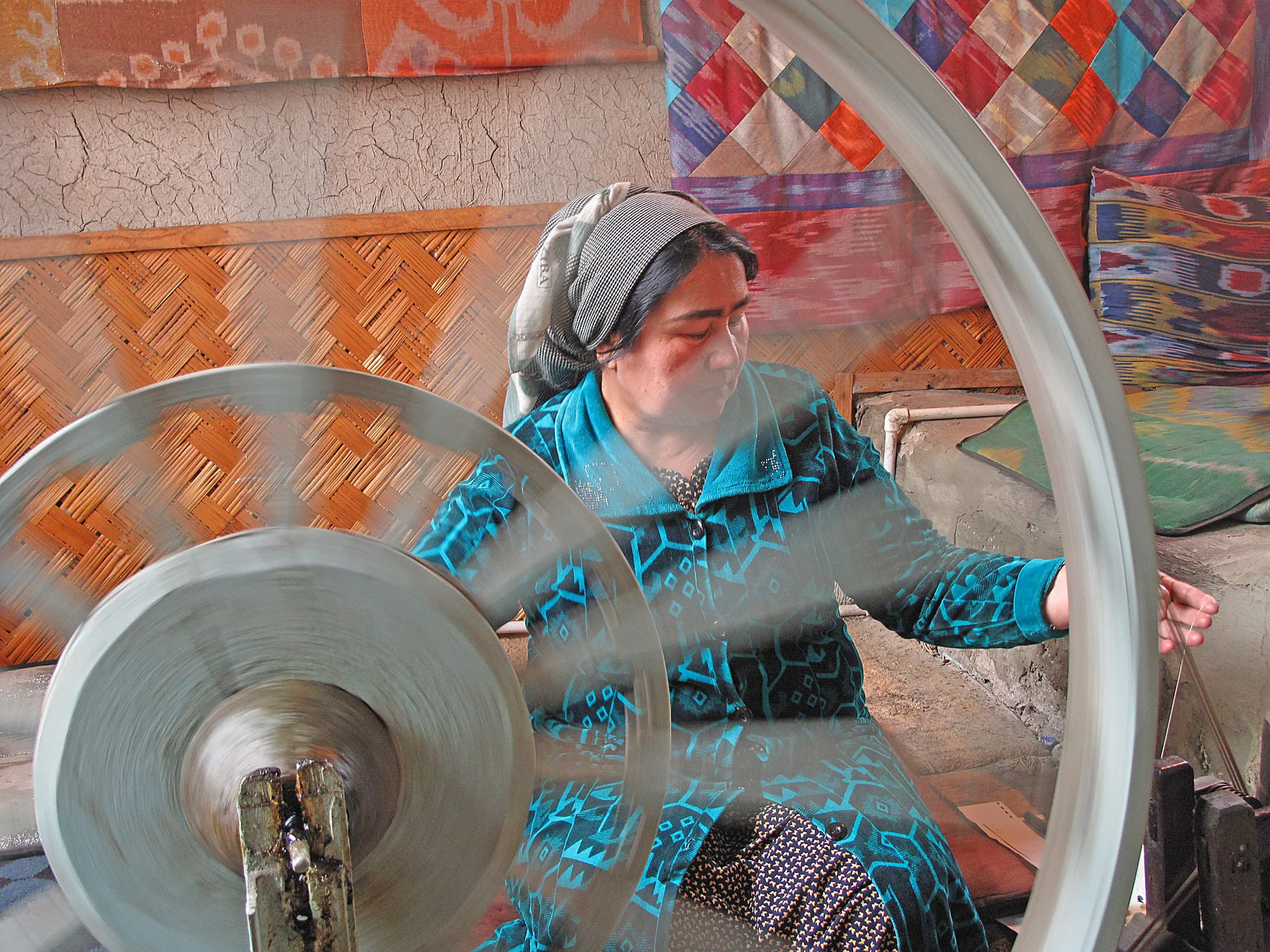
Yodgorlik silk factory, Margilan
Ikat silk still tie-dyed and woven by hand, thread by thread.
Fergana
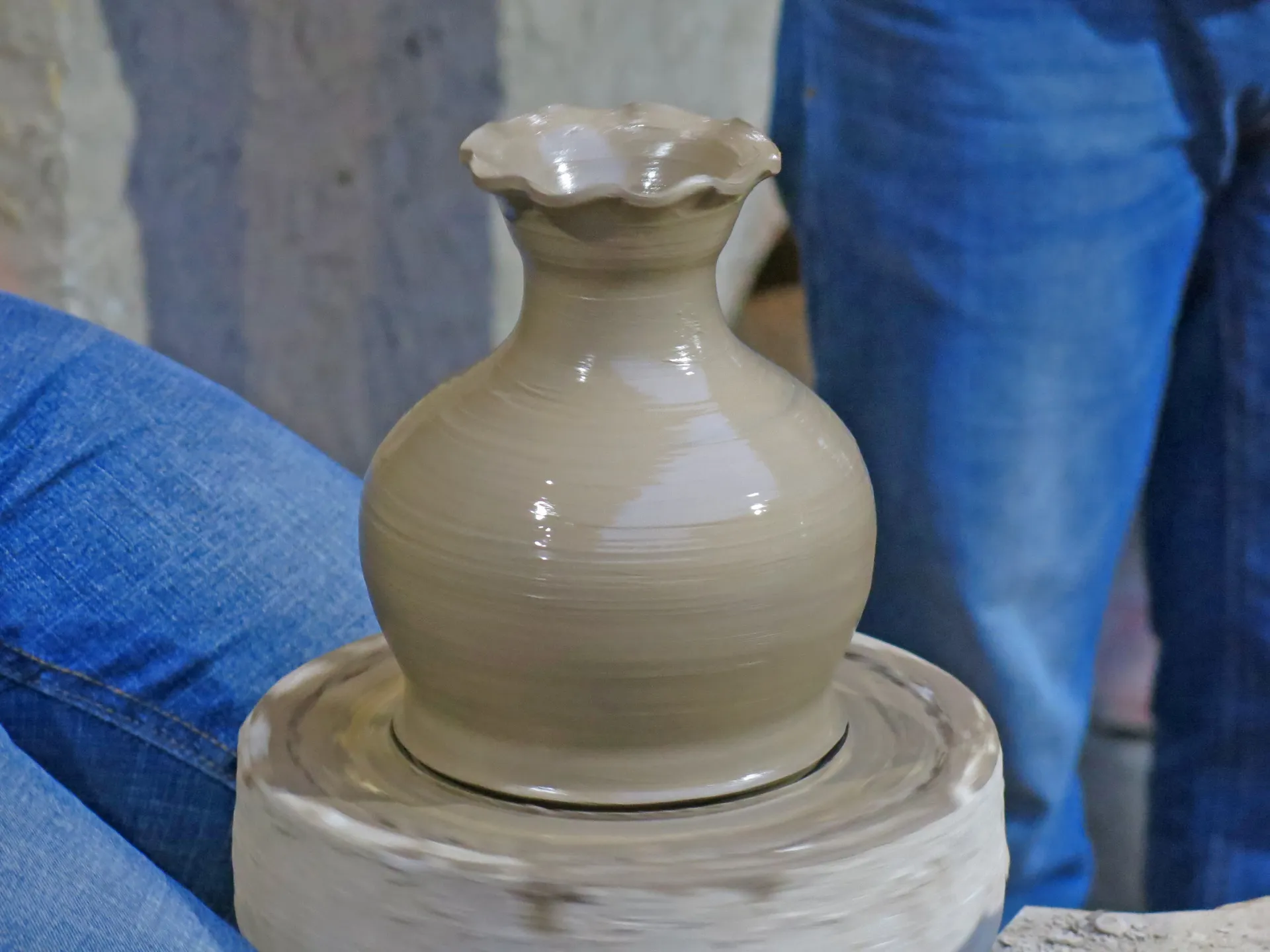
Rishtan ceramics
A thousand years of turquoise glaze made from local clay and ash.
Fergana
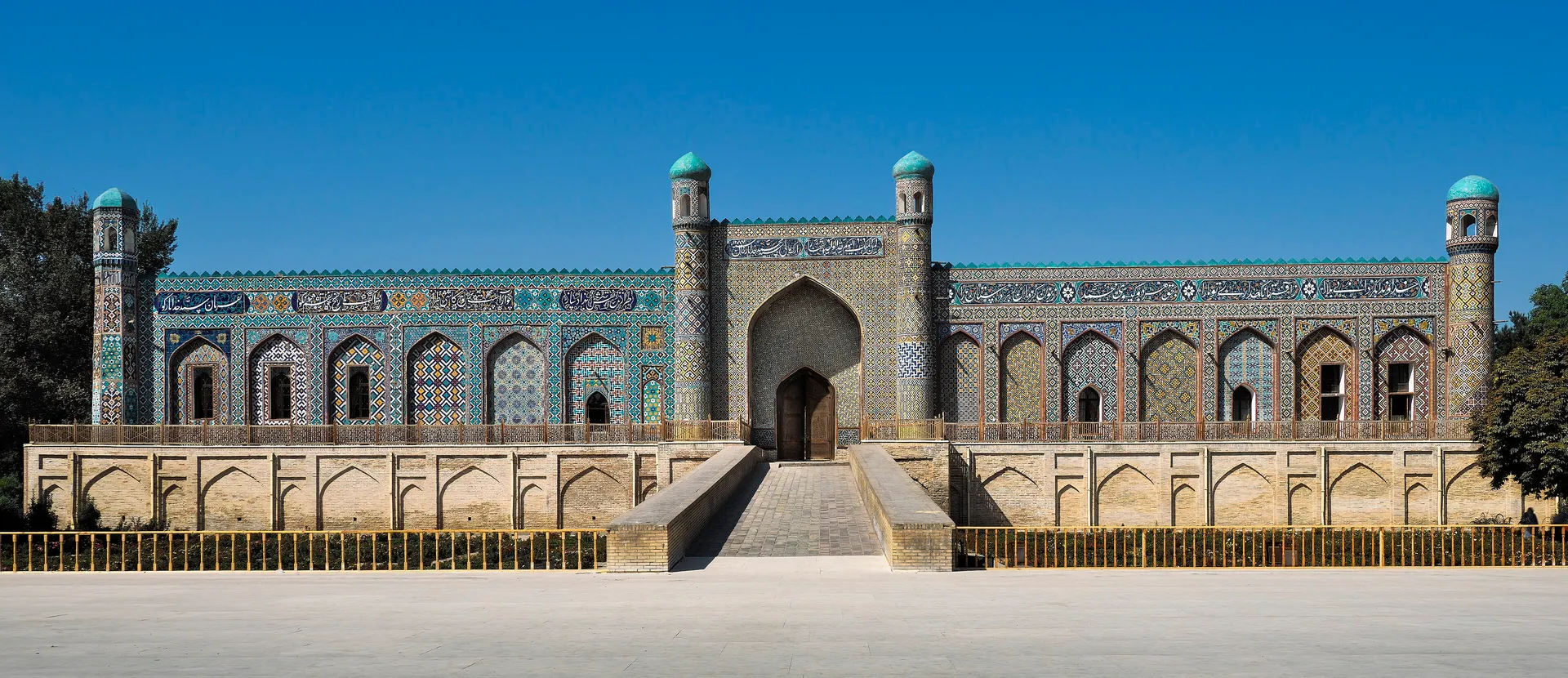
Khudayar Khan Palace, Kokand
The last khan's palace, its façade a wall of coloured tile.
Fergana
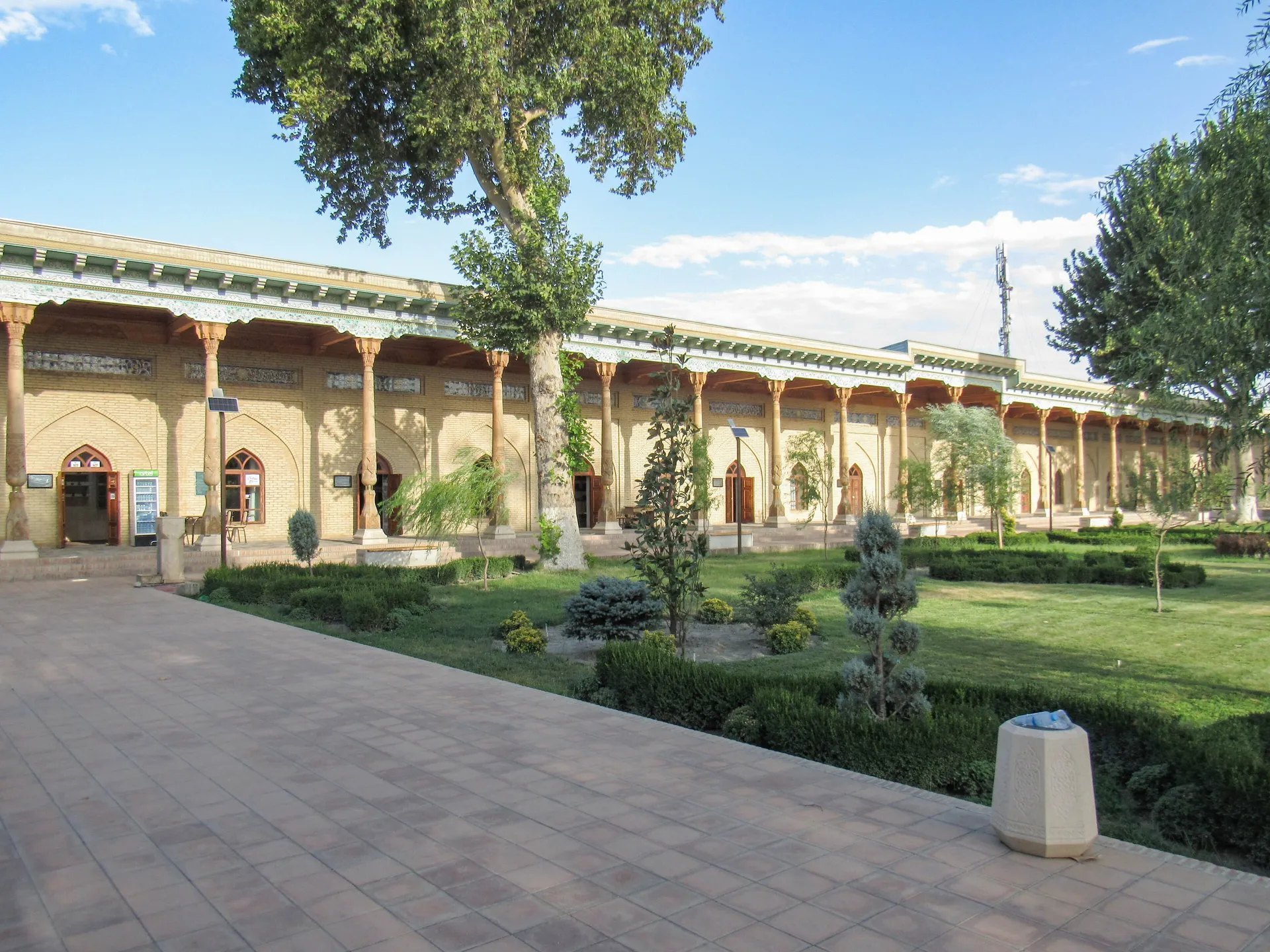
Jami Mosque of Kokand
Umar Khan's Friday mosque of 1809–1812, with a long veranda of 98 red wooden columns.
Fergana
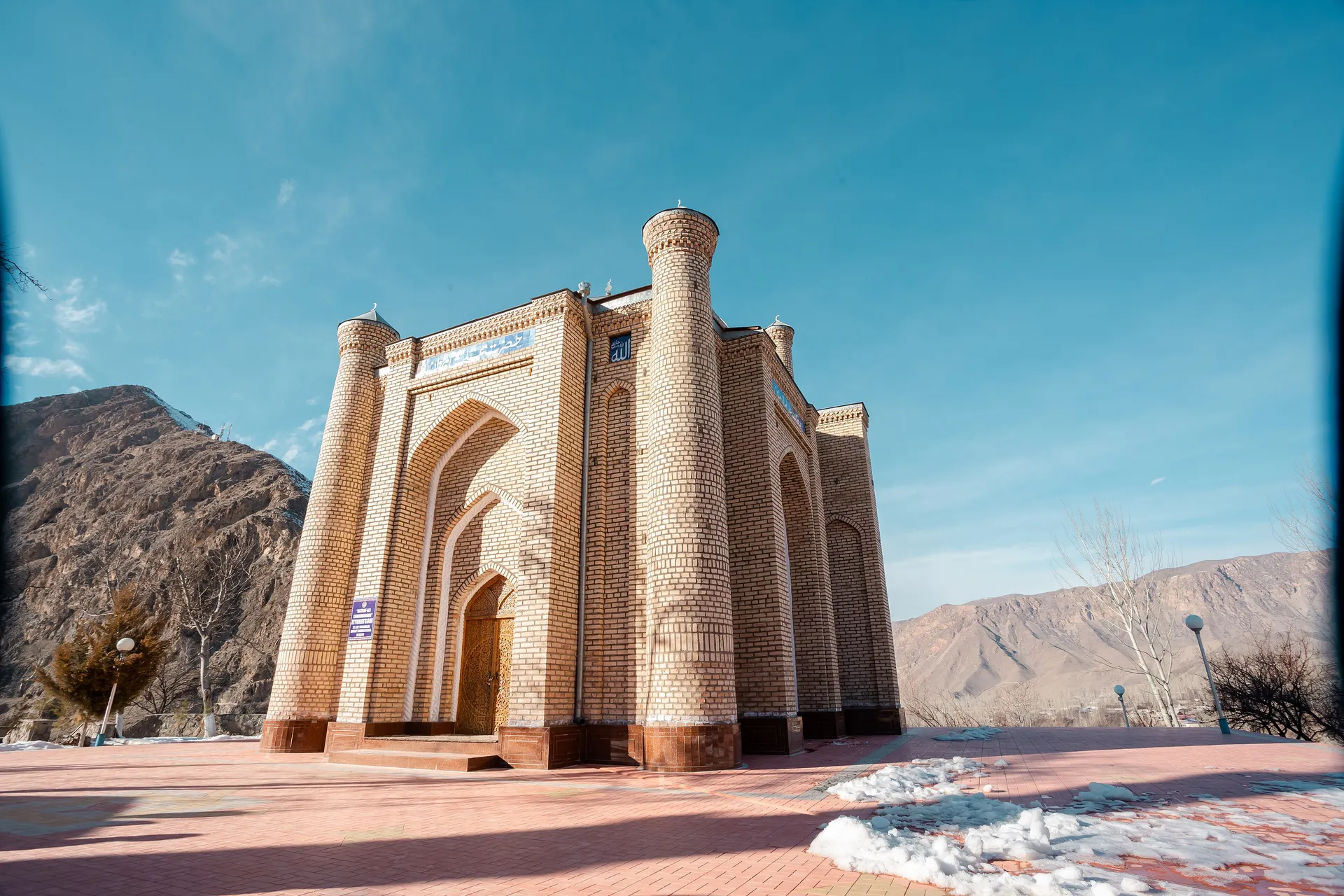
Shohimardon
A mountain enclave in the Alay range, with the Hazrat Ali shrine and a blue lake above the village.
Fergana
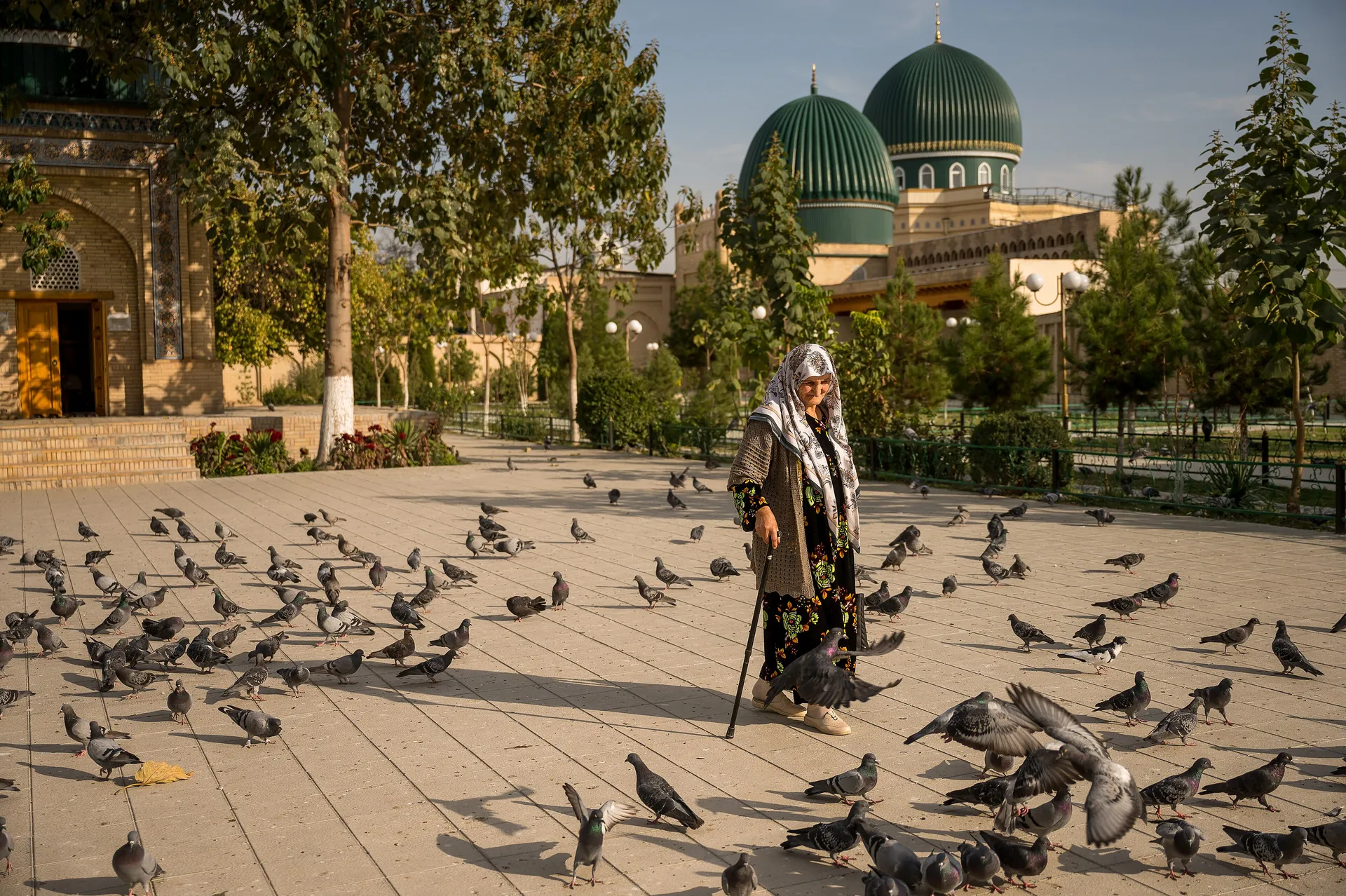
Pir Siddiq Complex, Margilan
A shrine and mosque under green domes in Margilan, its courtyard busy with pigeons.
Jizzakh
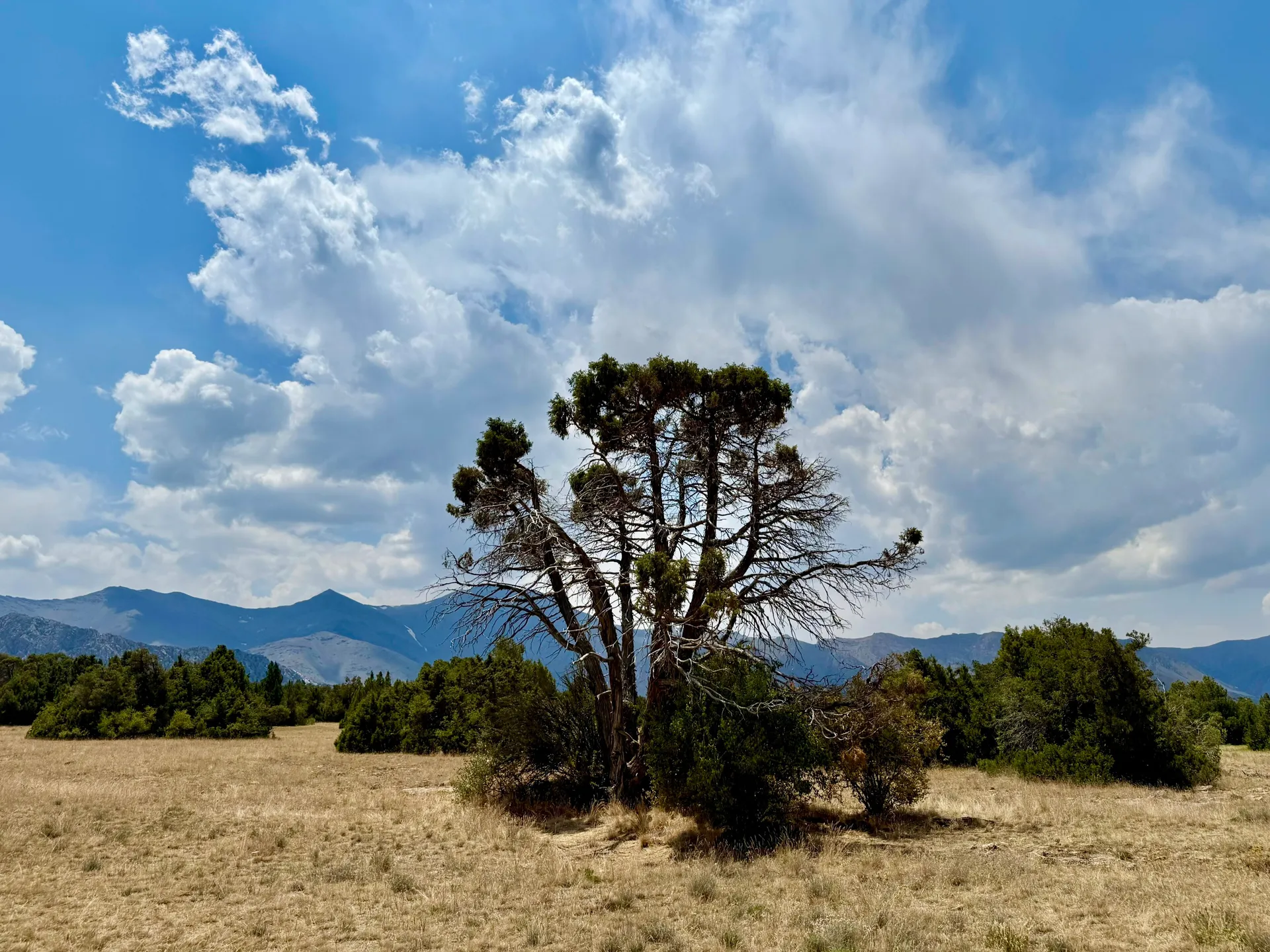
Zaamin National Park
High juniper forest and alpine meadow, protected since the 1920s.
Jizzakh
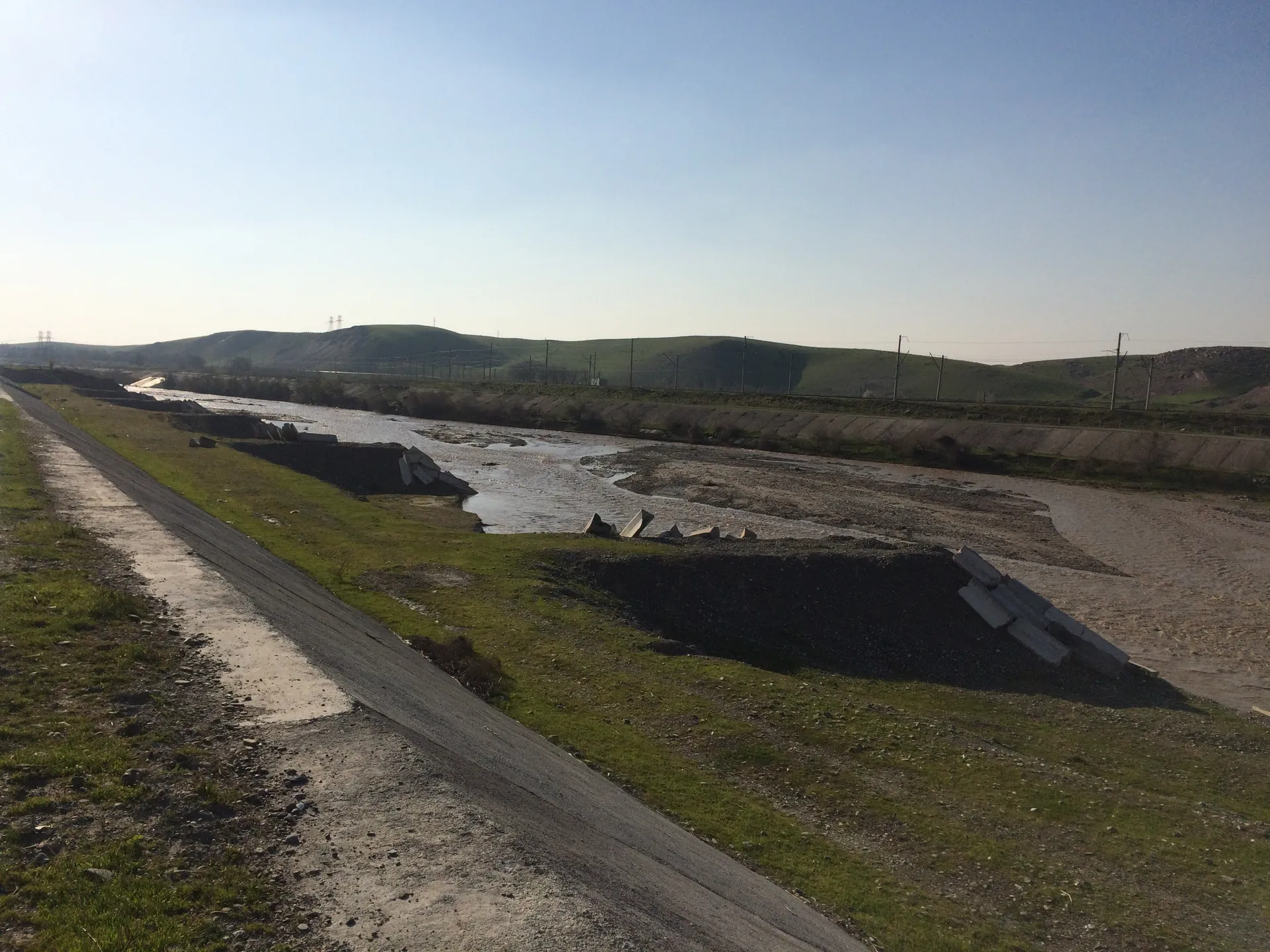
Sangzor Valley
A narrow pass long used by caravans crossing between Samarkand and Tashkent.
Jizzakh
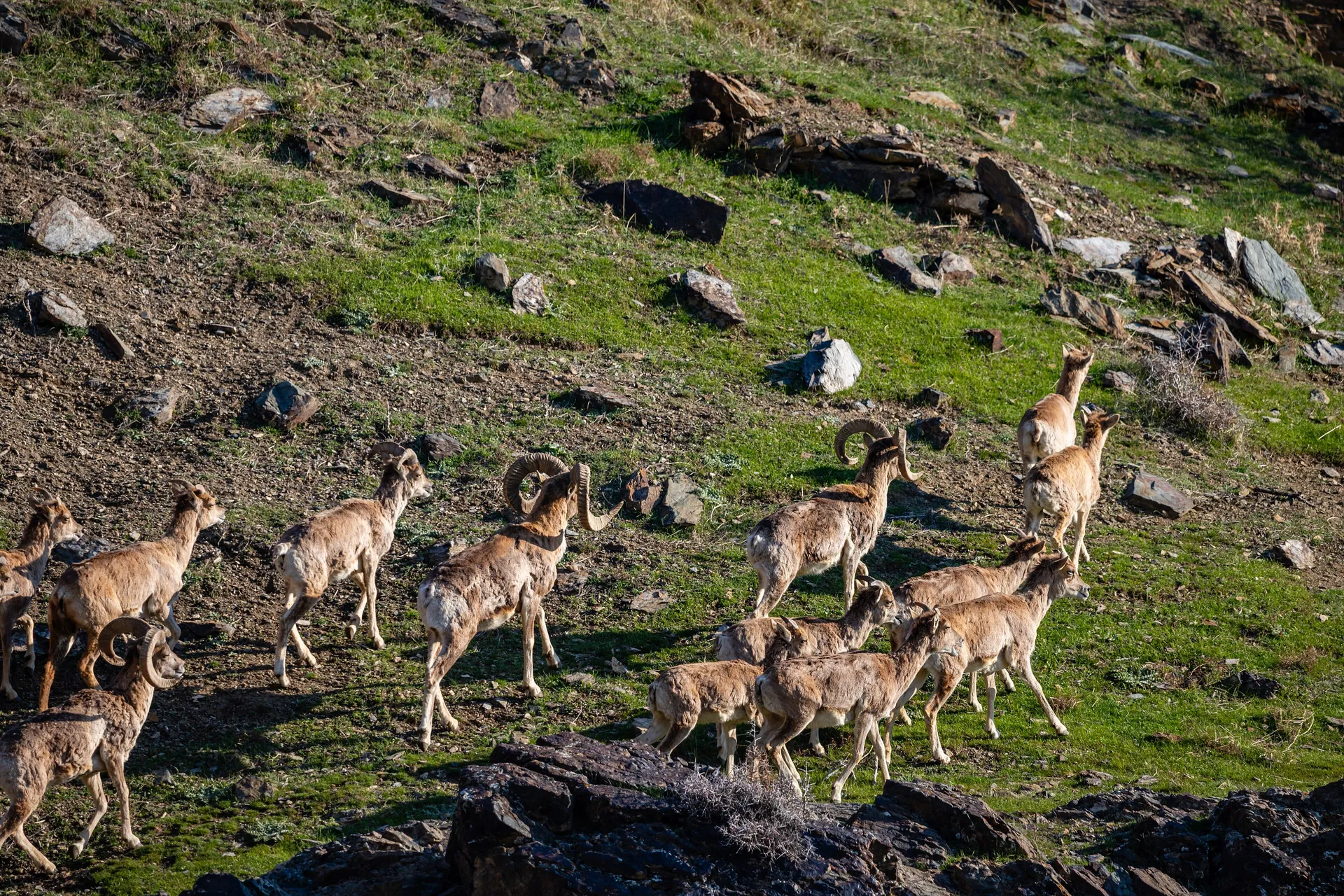
Nuratau-Kyzylkum Biosphere Reserve
Home to the endangered Severtsov's argali wild sheep.
Jizzakh
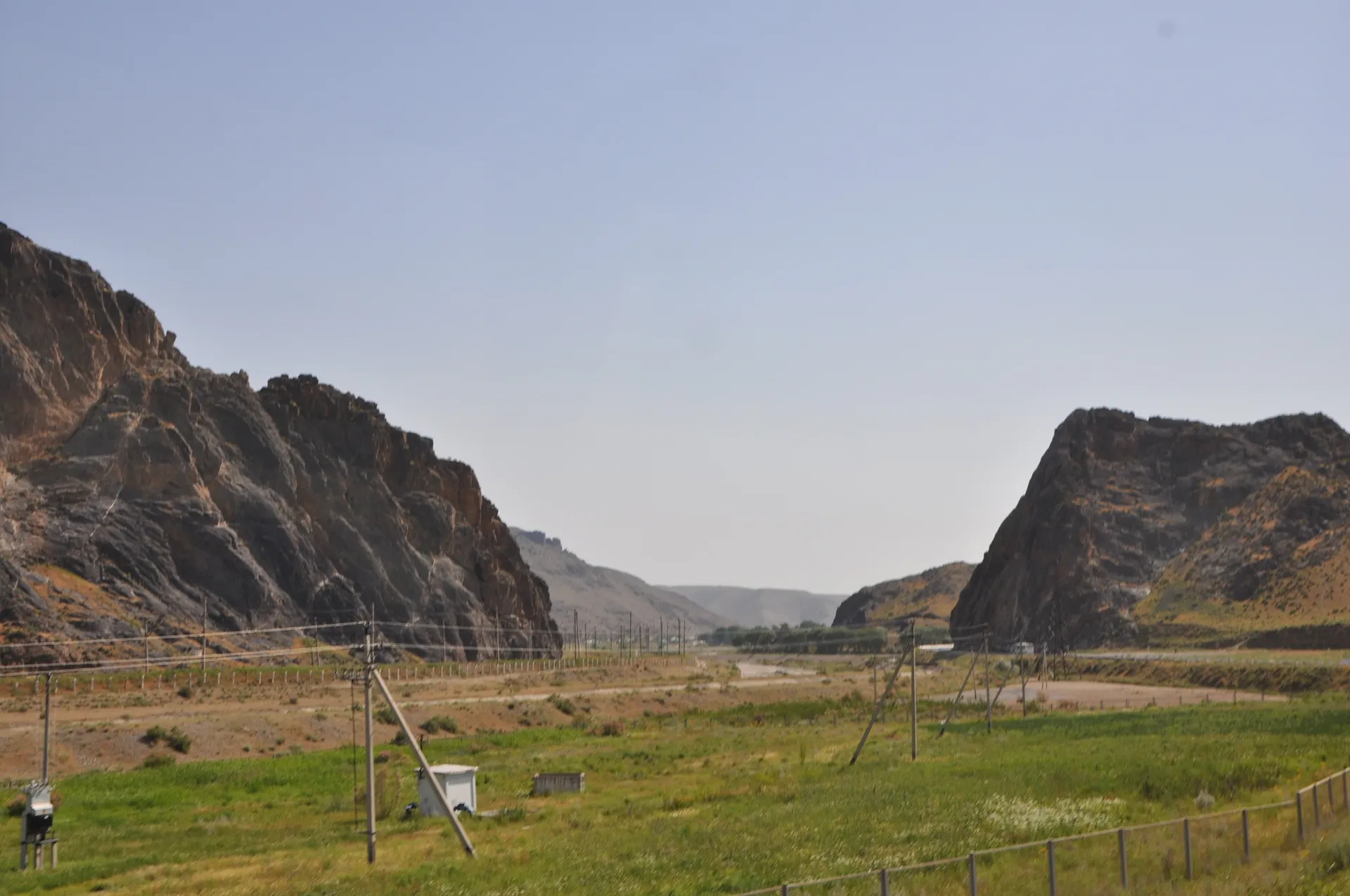
Timur's Gates
A narrow gorge whose rock walls carry inscriptions left by Ulugh Beg and Abdullah Khan.
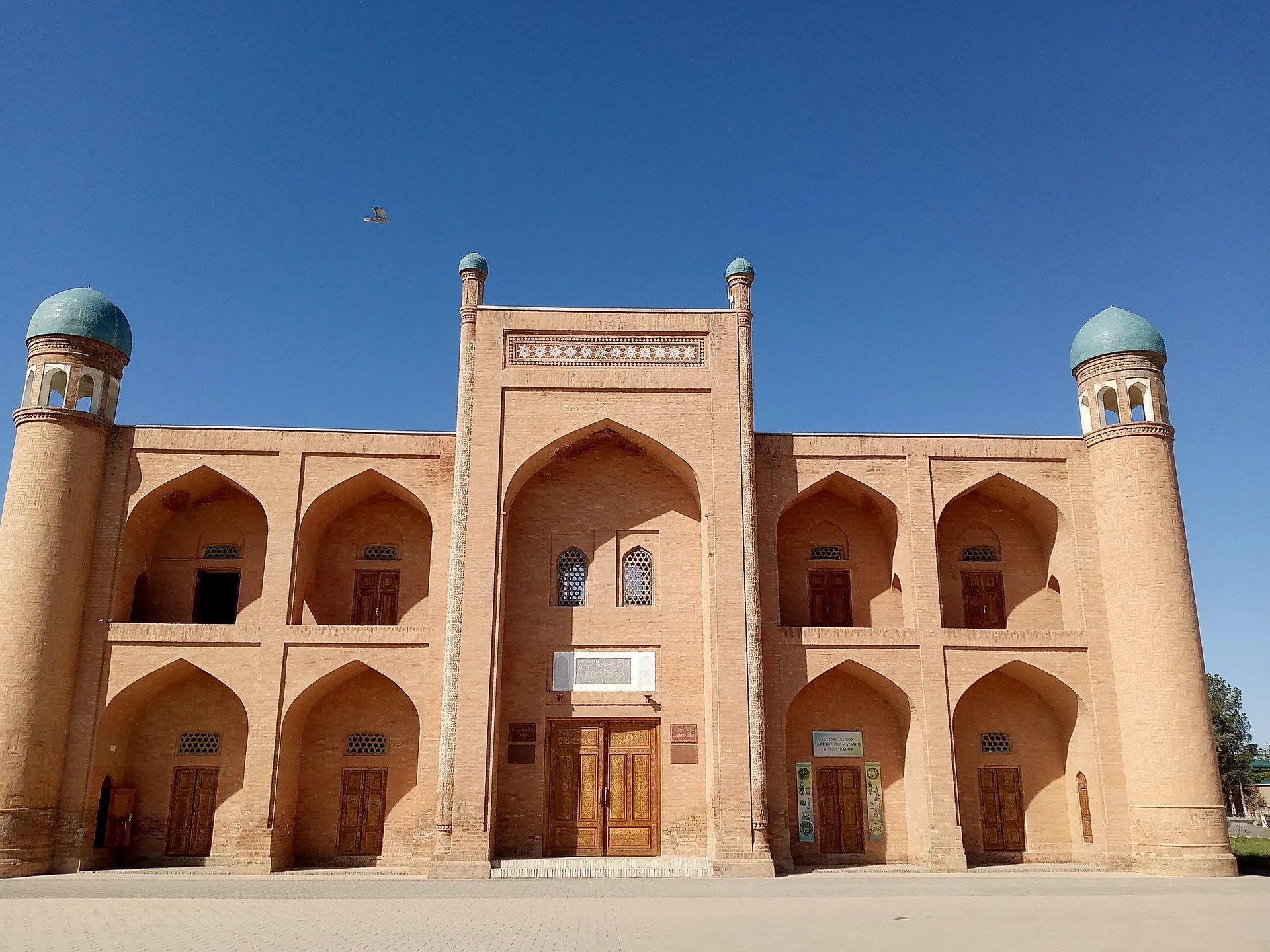
Jizzakh
Hamid Olimjon and Zulfiya Museum
A museum in Jizzakh for the city's poet Hamid Olimjon and his wife, the poet Zulfiya.
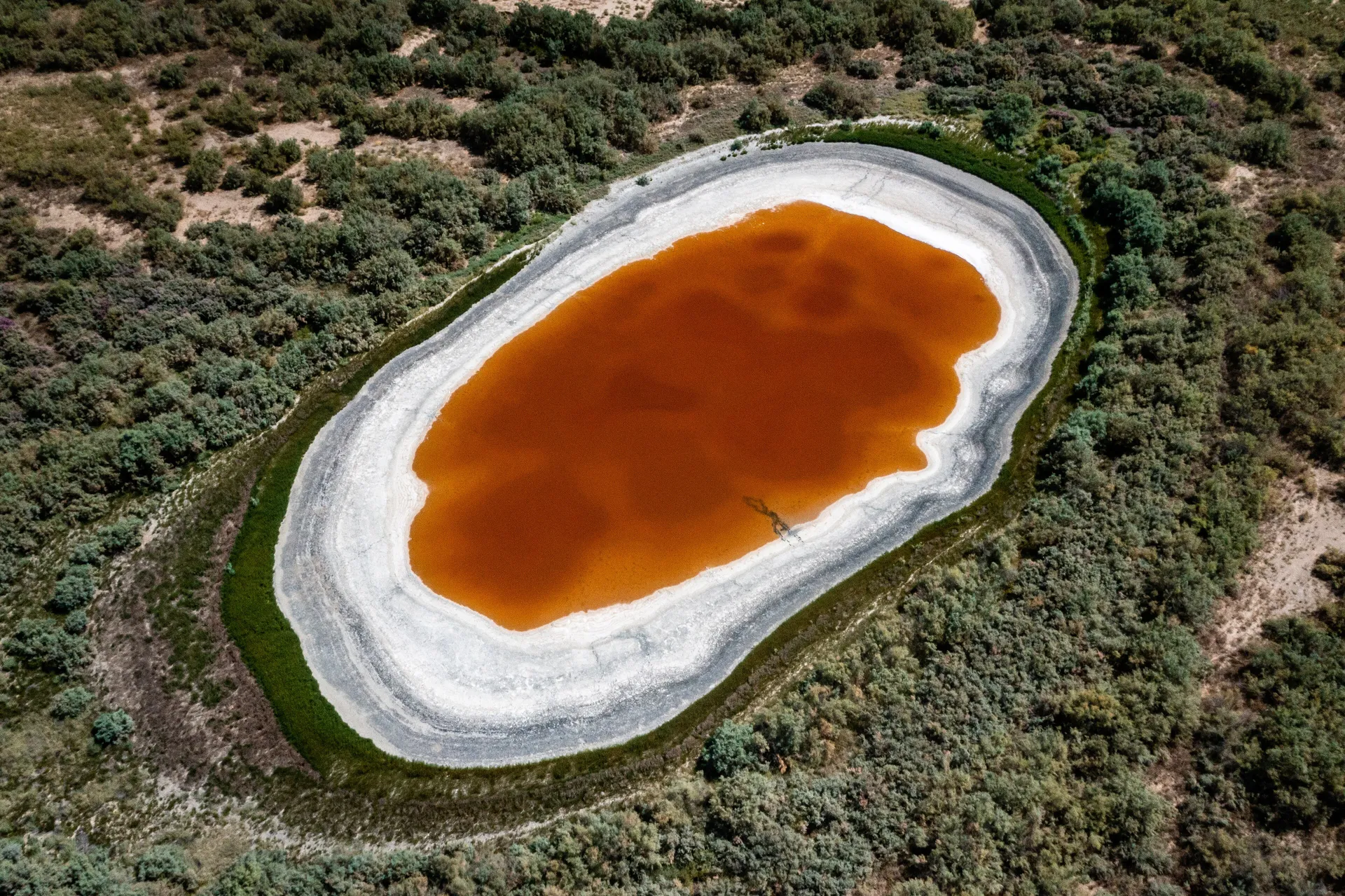
Jizzakh
Lake Tuzkan
Part of the Aydar–Arnasay lakes, with salt pools that turn pink and rust-red in summer.
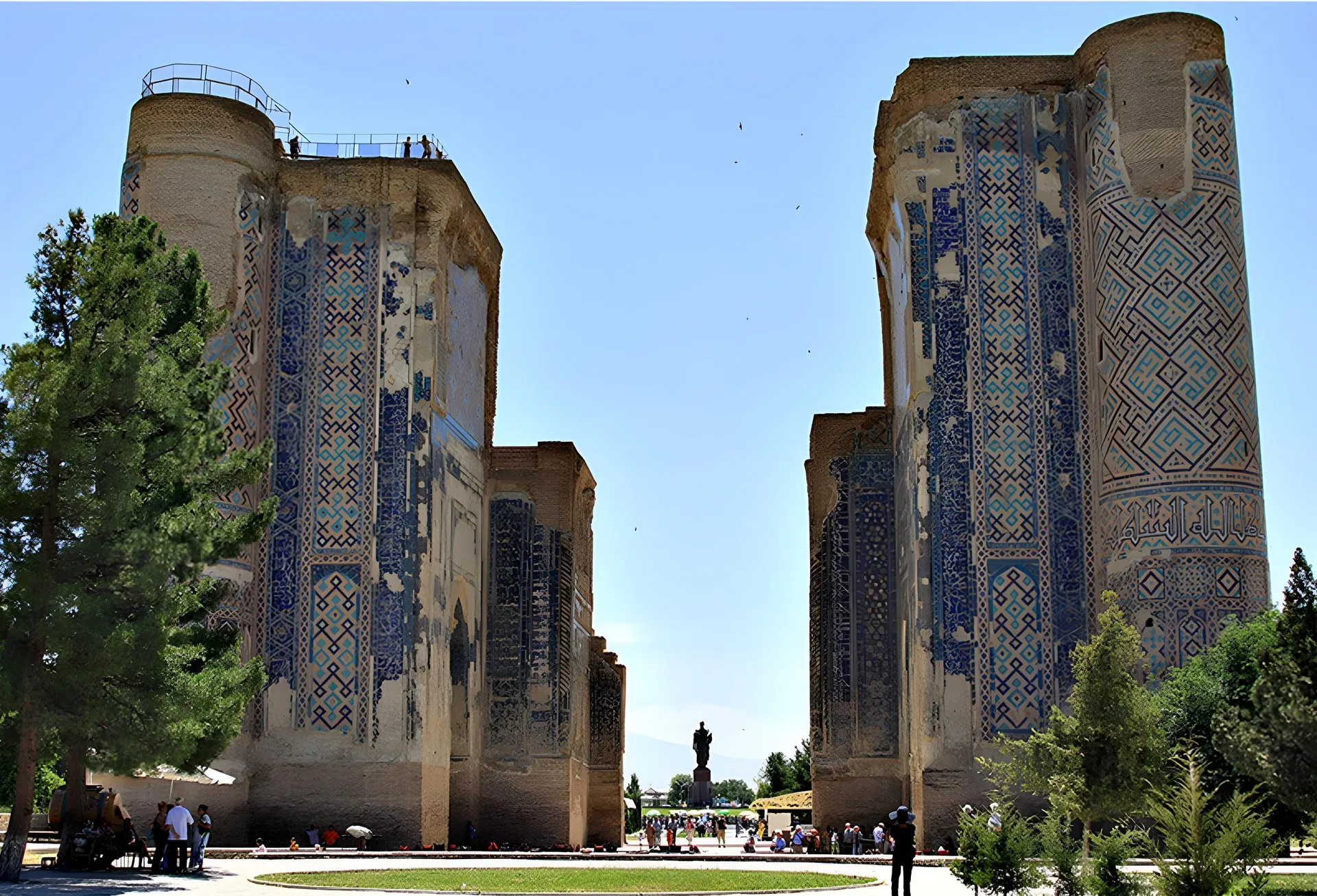
Kashkadarya
Ak-Saray Palace, Shakhrisabz
Two vast tiled pylons — all that remains of Timur's summer palace.
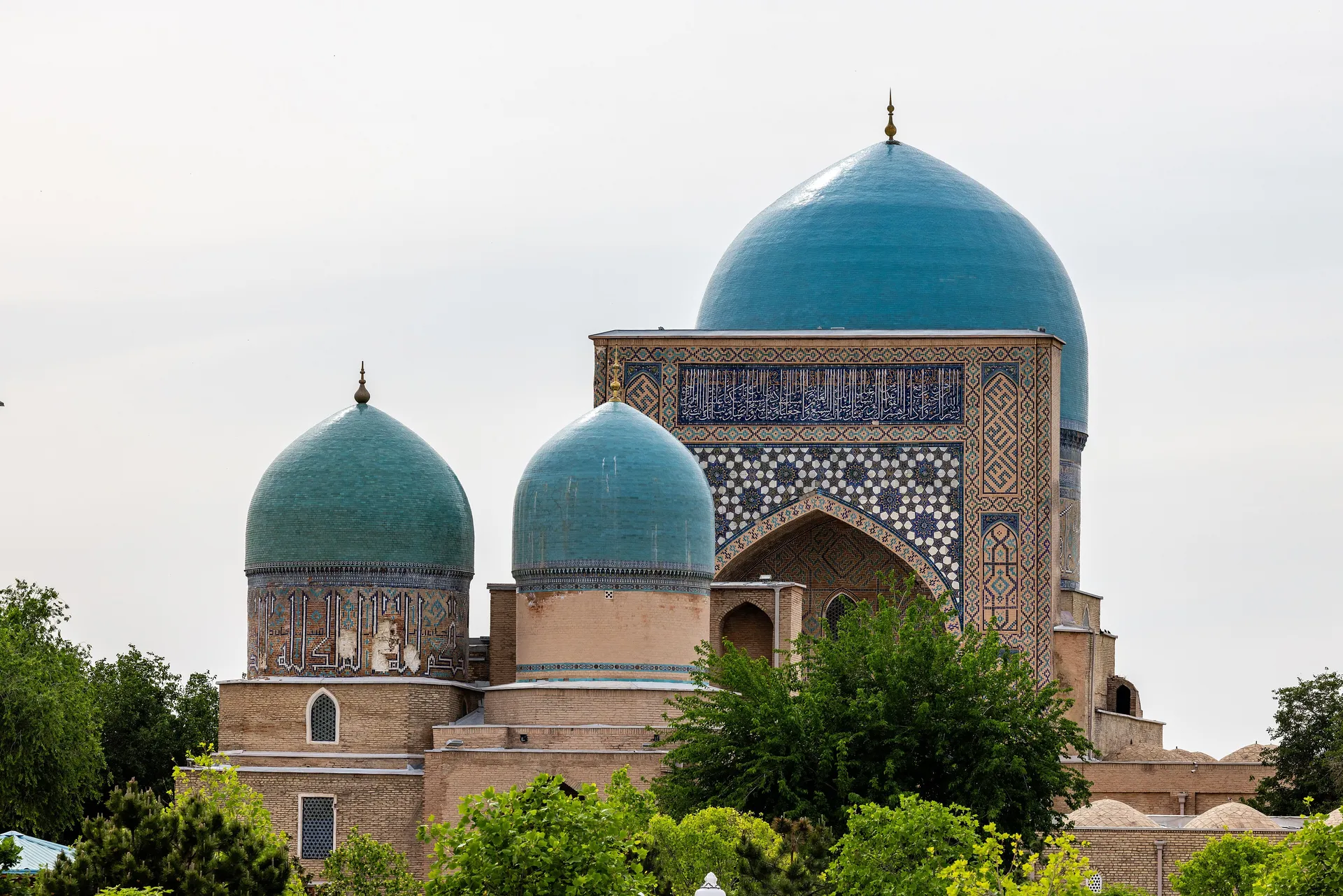
Kashkadarya
Kok Gumbaz Mosque
Built by Ulugh Beg in 1435 in his grandfather's home town.
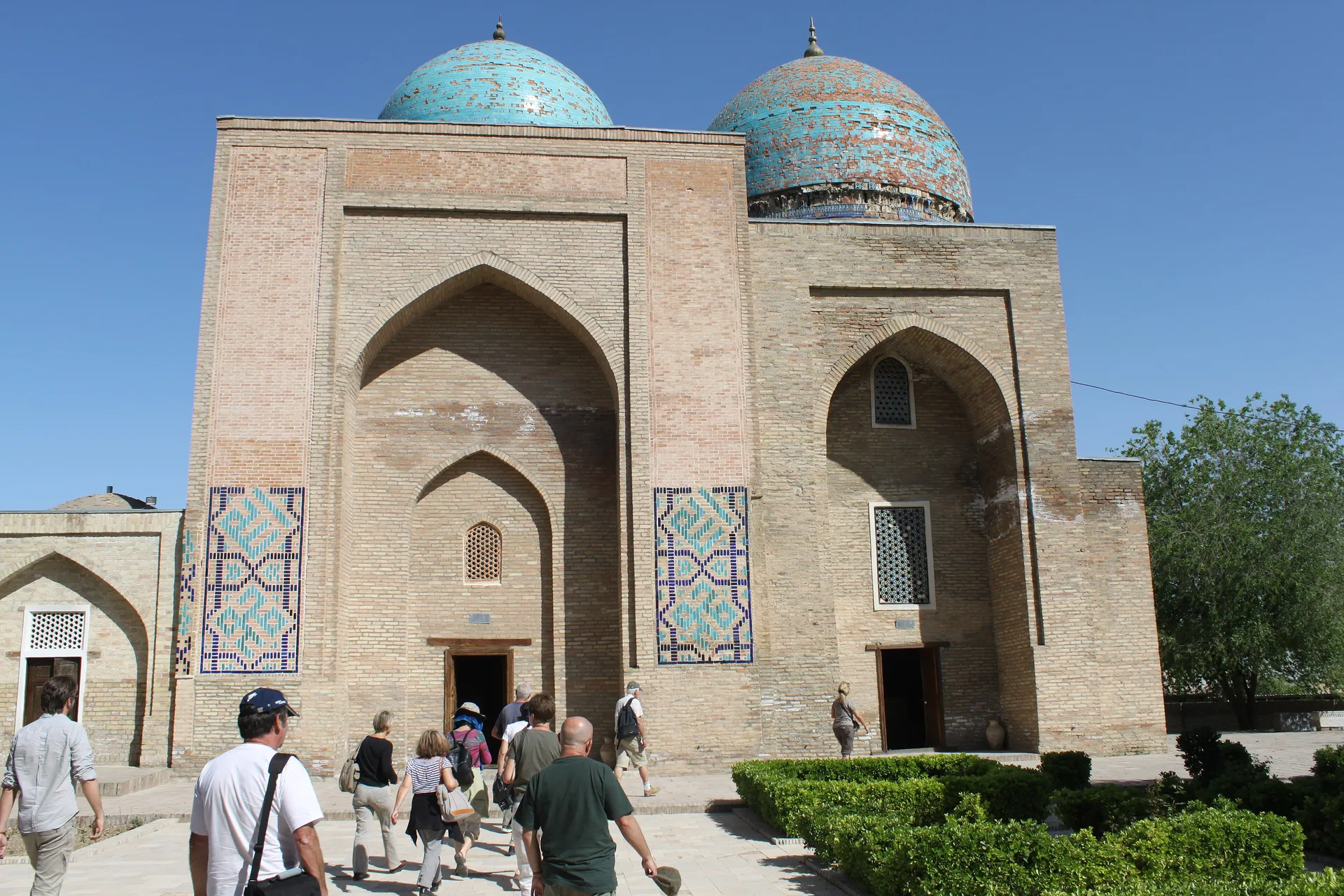
Kashkadarya
Dorut Tilovat
A memorial complex holding the tombs of Timur's father and spiritual teacher.
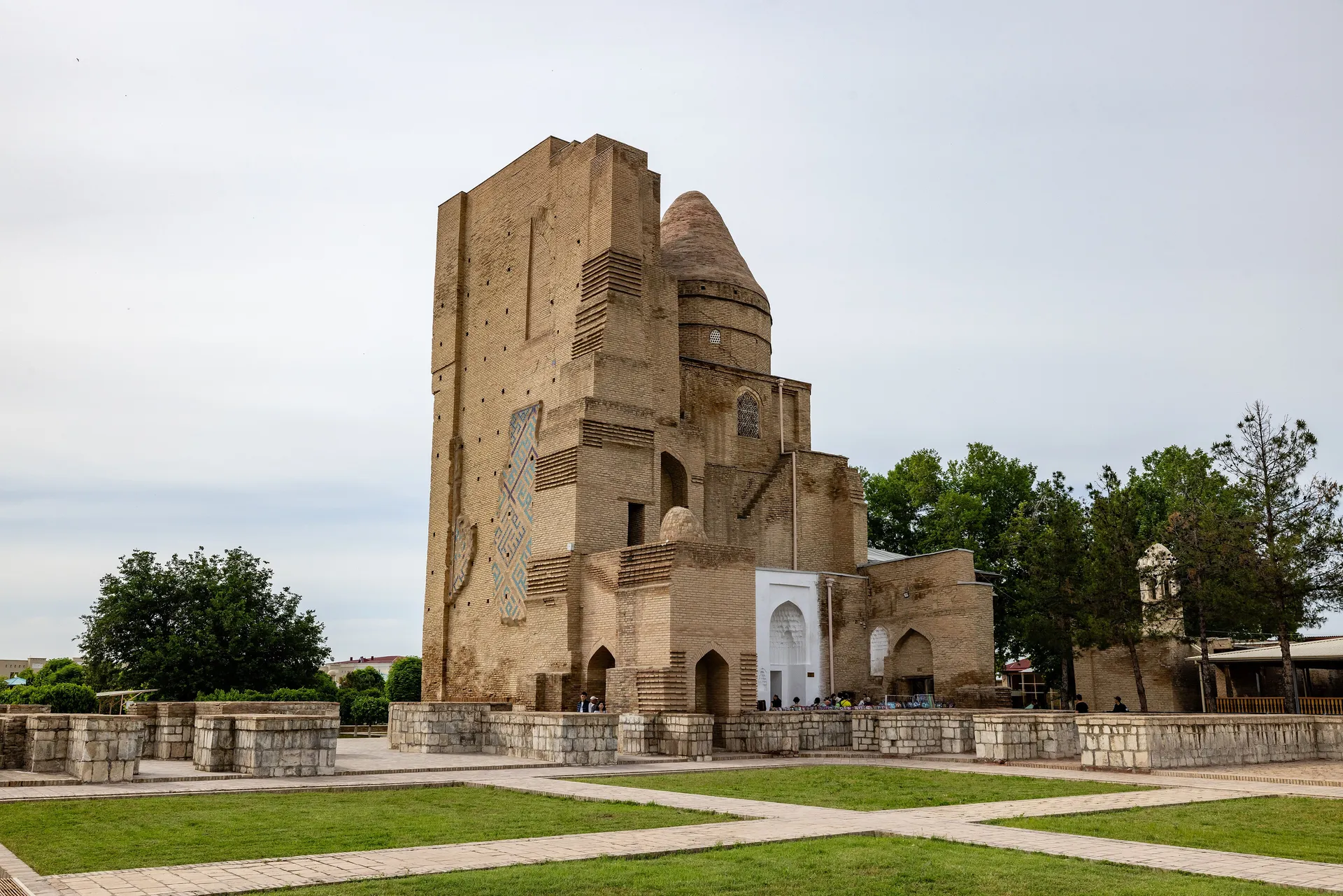
Kashkadarya
Dorus-Siadat
The memorial Timur raised in Shahrisabz for his eldest son Jahongir.
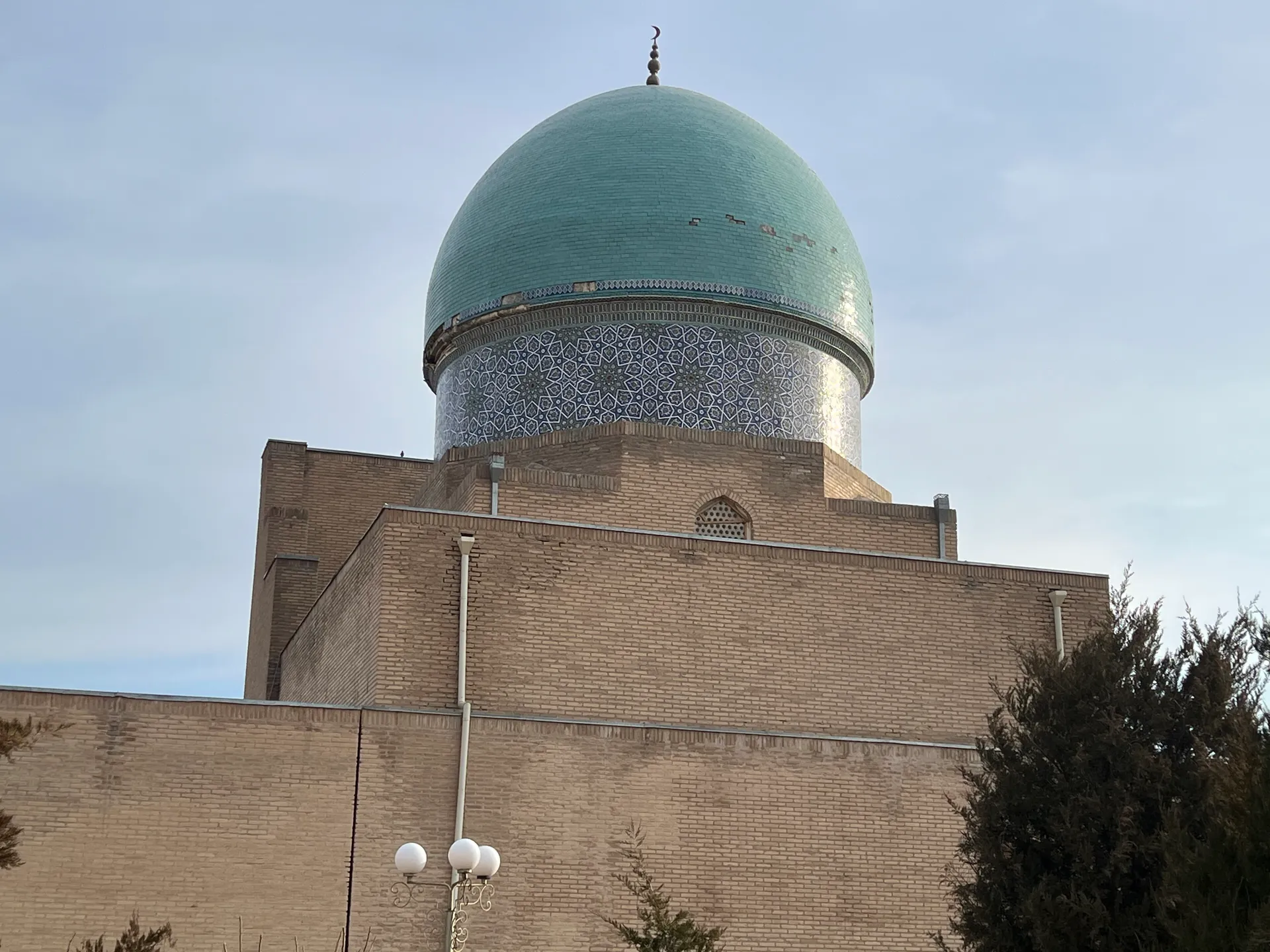
Kashkadarya
Odina Mosque, Karshi
An old Friday mosque in Karshi, crowned by a turquoise dome.
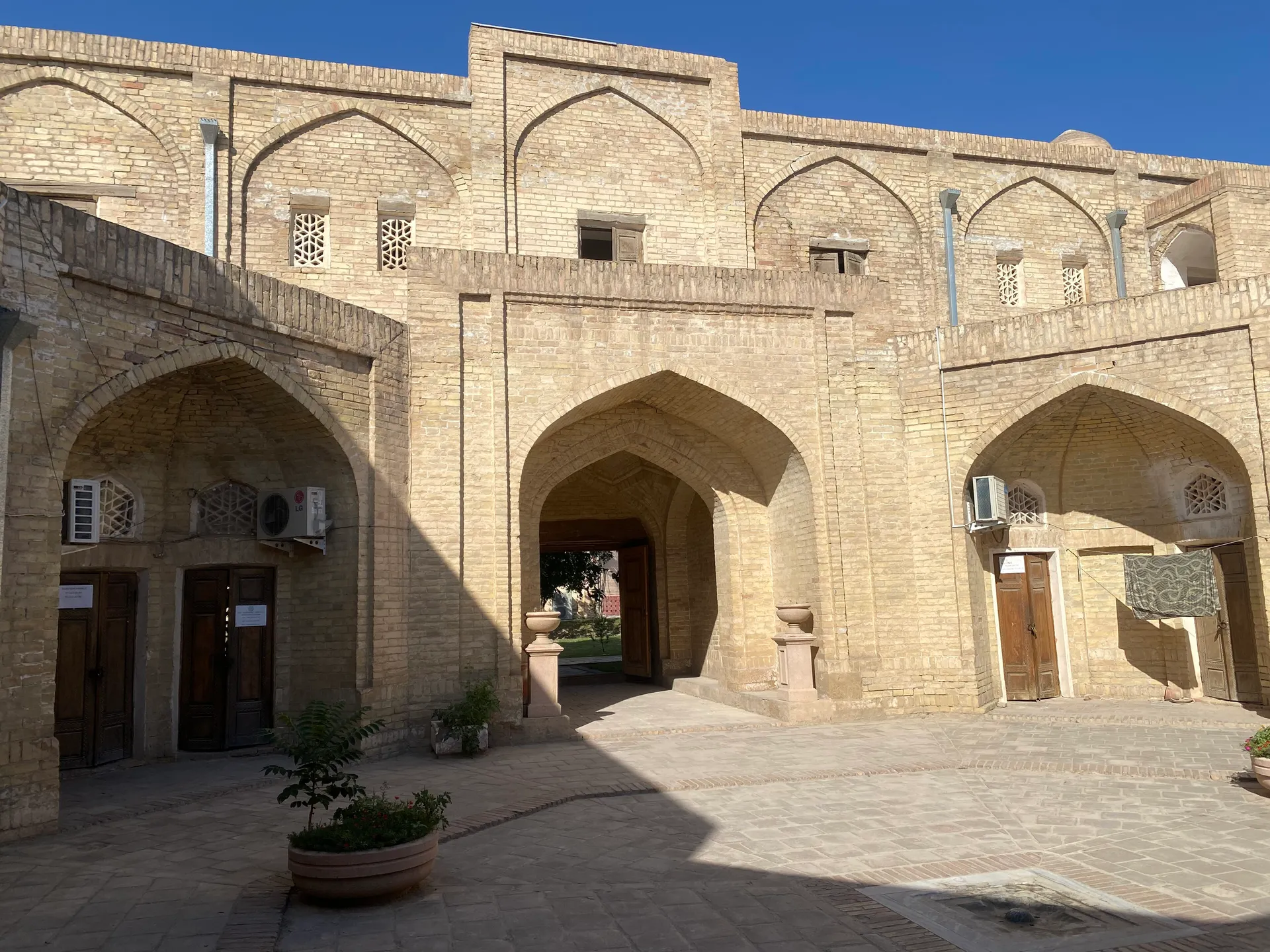
Kashkadarya
Bekmir Madrasah, Karshi
One of the historic madrasahs of Karshi's old centre, built of pale brick around a courtyard.
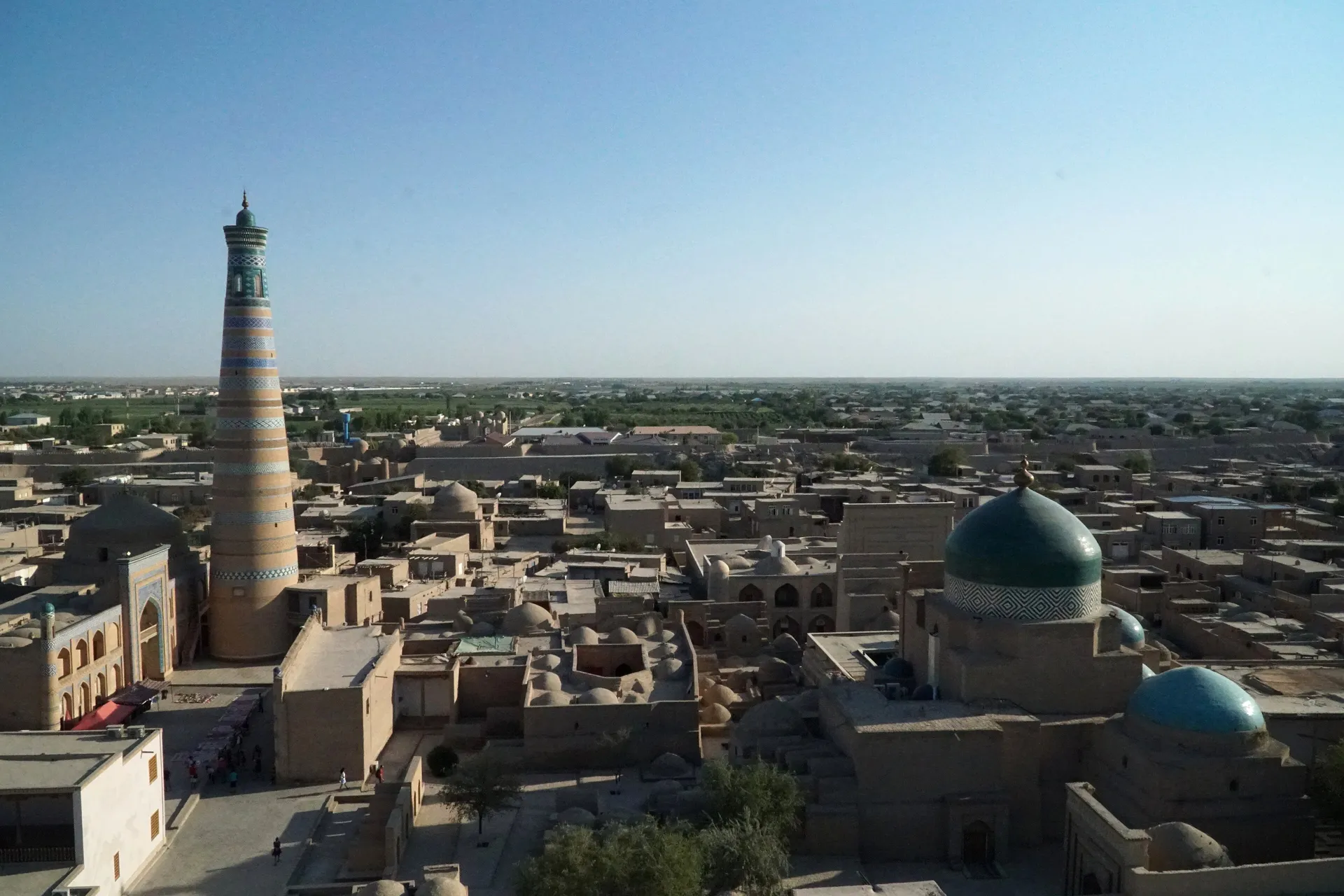
Khorezm
Itchan Kala, Khiva
The walled old town, crossable end to end in twenty minutes.
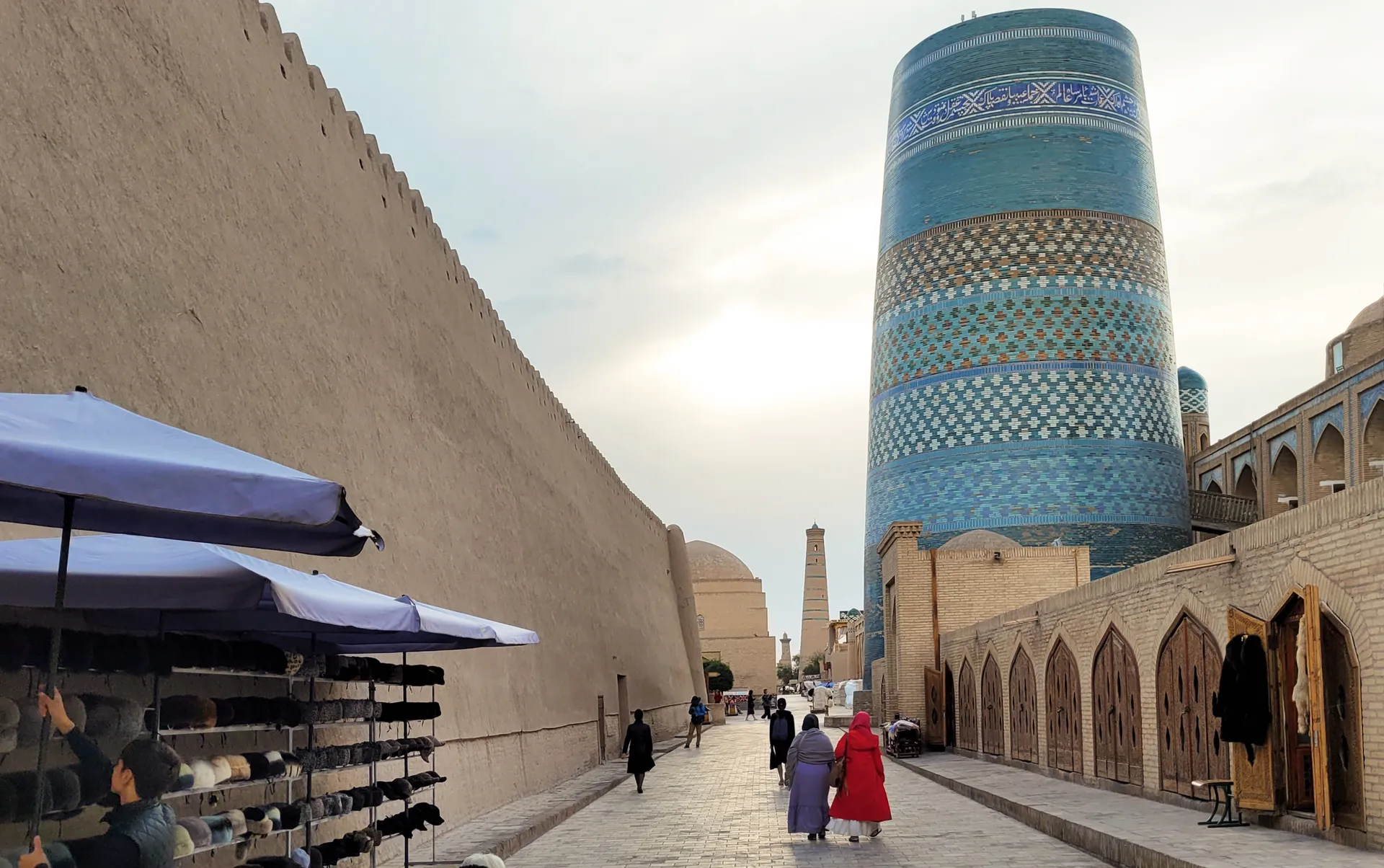
Khorezm
Kalta Minor
A fat, brilliantly glazed minaret abandoned at 29 metres — it was meant to be far taller.
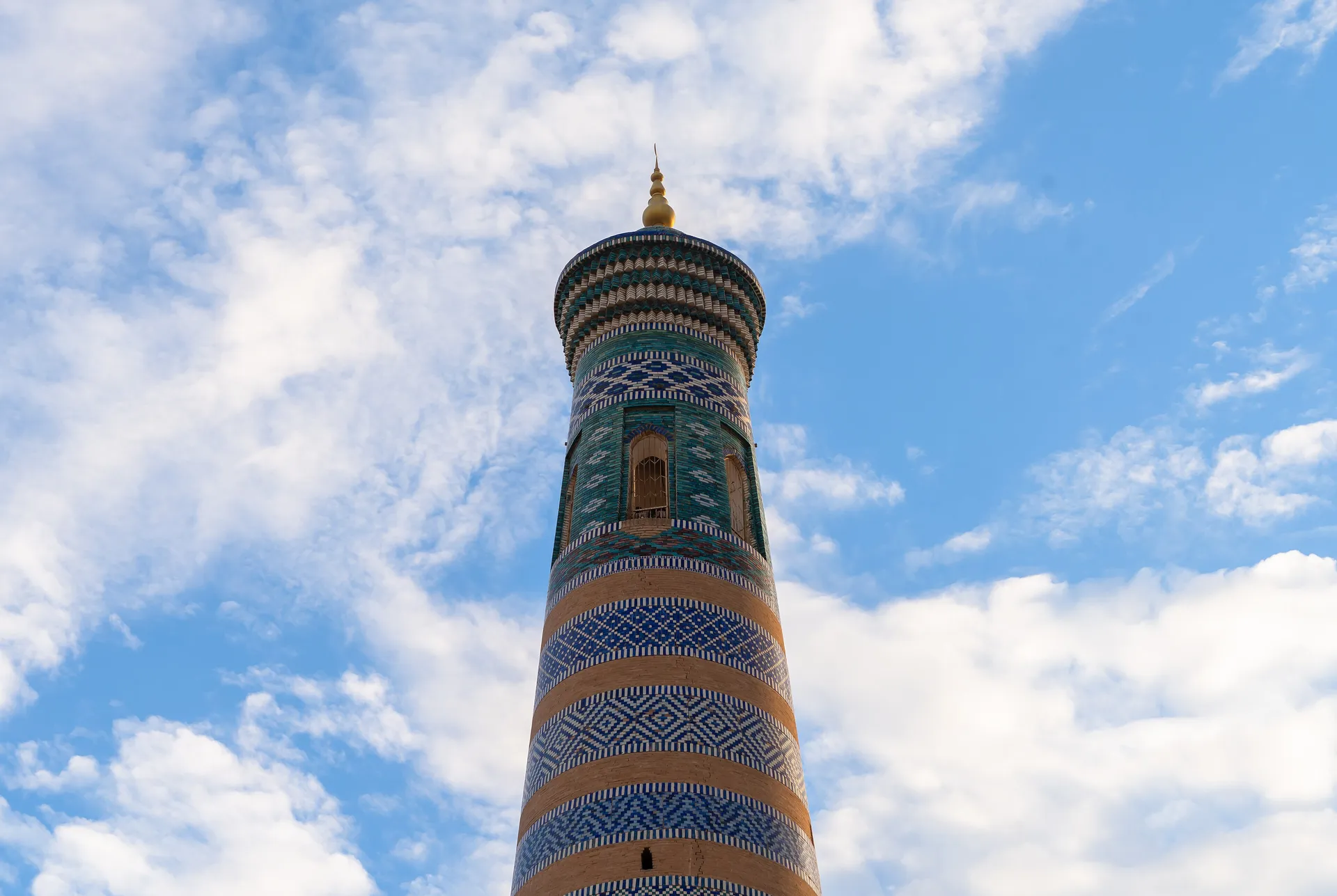
Khorezm
Islam Khoja Minaret
Khiva's tallest minaret, 57 metres of banded tilework, finished in 1910.
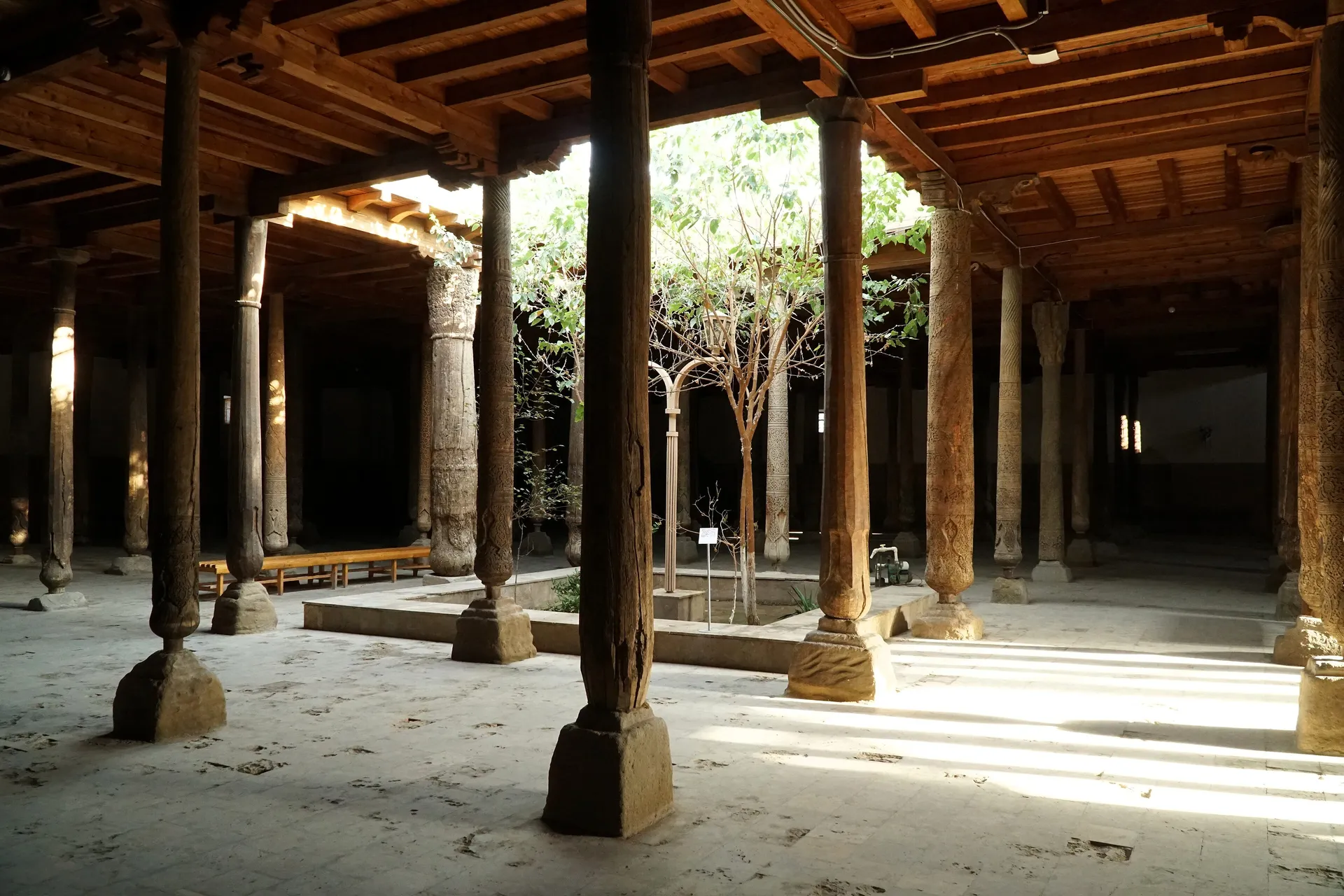
Khorezm
Juma Mosque of Khiva
A hall of more than two hundred carved wooden columns, the oldest over a thousand years old.
Khorezm
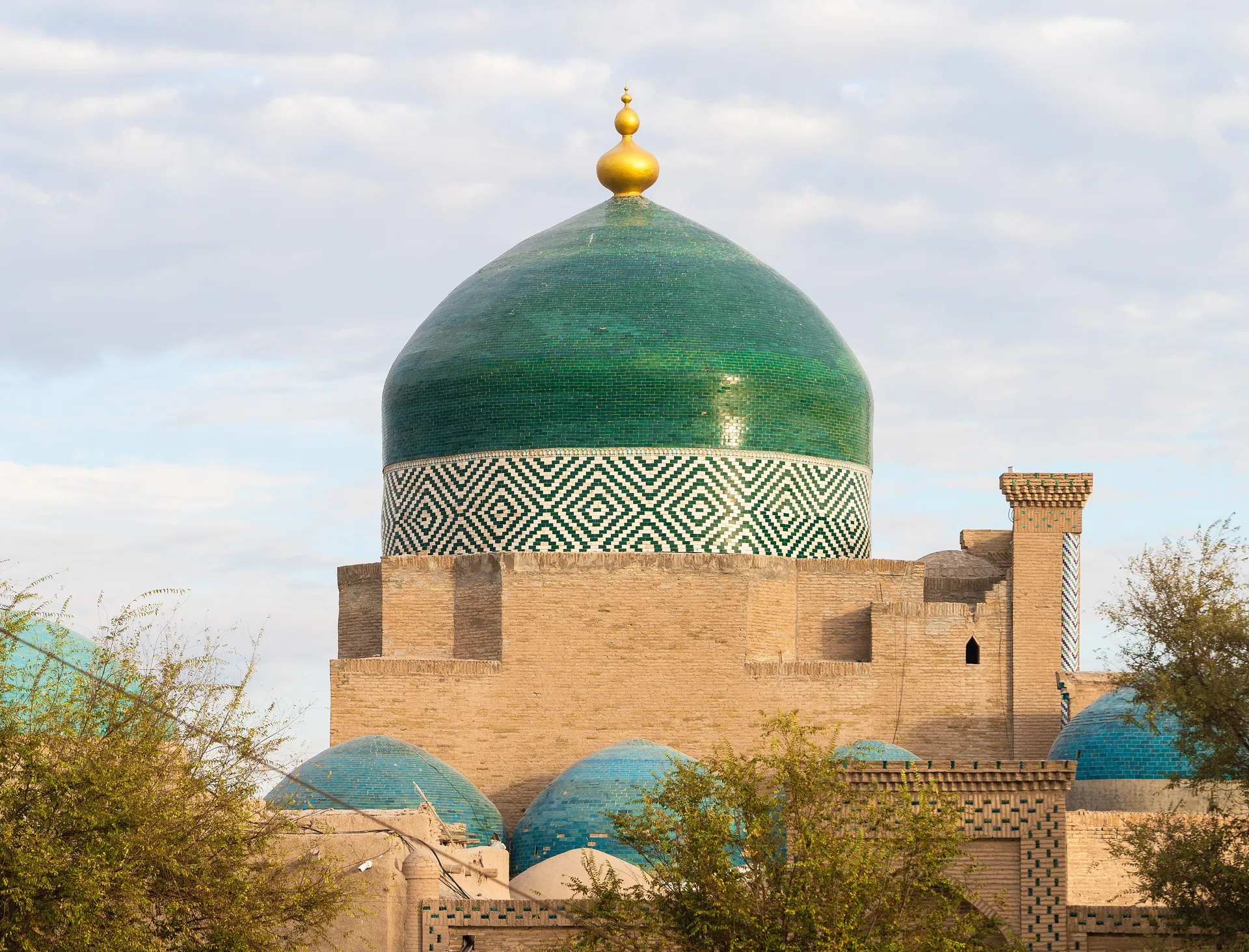
Pahlavon Mahmud Mausoleum
The shrine of Khiva's patron saint — wrestler, poet and furrier — under a green-tiled dome.
Khorezm
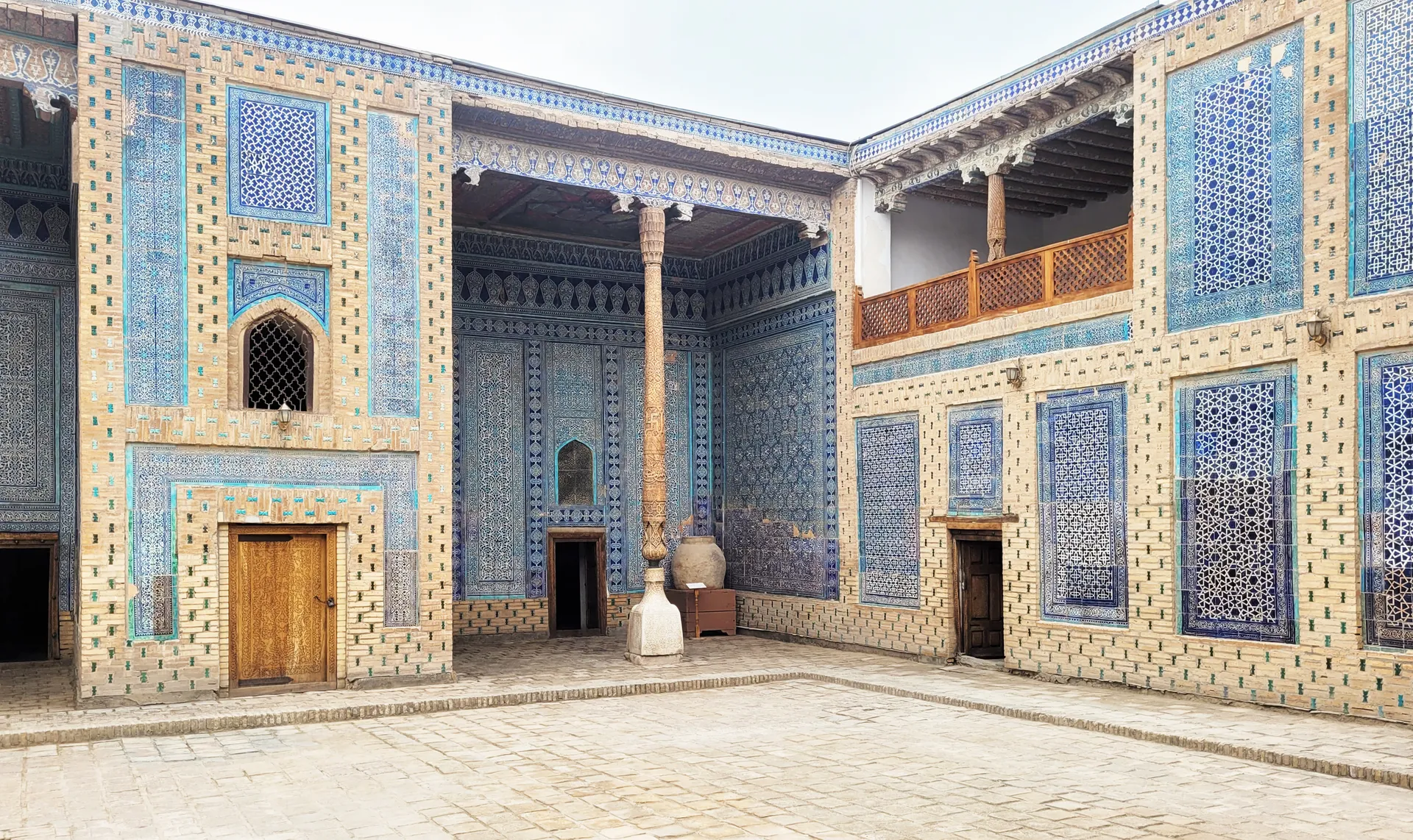
Tosh-Hovli Palace
Allakuli Khan's palace of the 1830s, its harem courtyard lined with blue majolica.

Namangan
Chust knife workshops
Knives forged and inlaid by hand, in a trade passed down within families.
Namangan
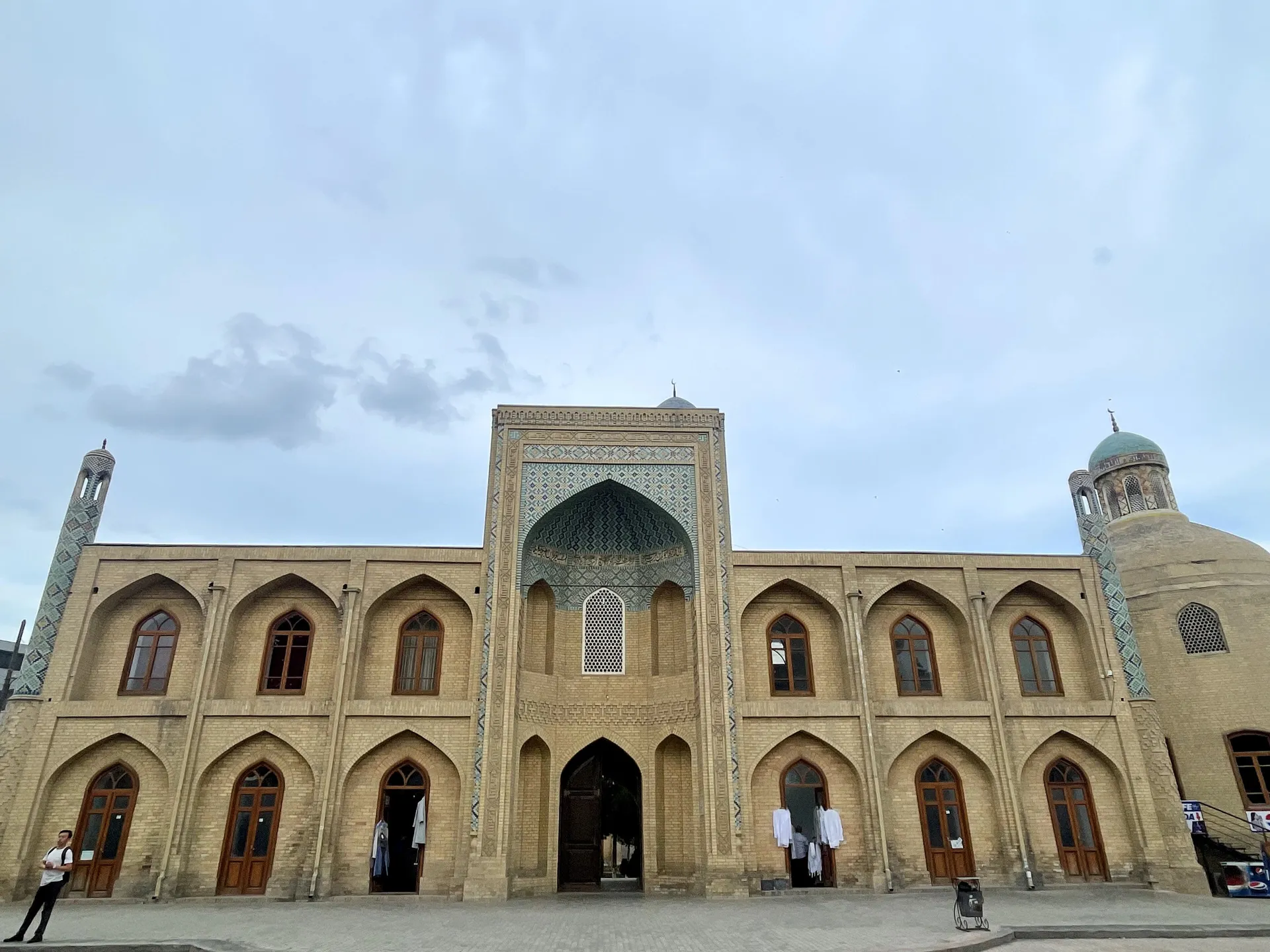
Mullah Kyrgyz Madrasah
An early-1900s madrasah, one of the region's finest brick buildings.
Namangan
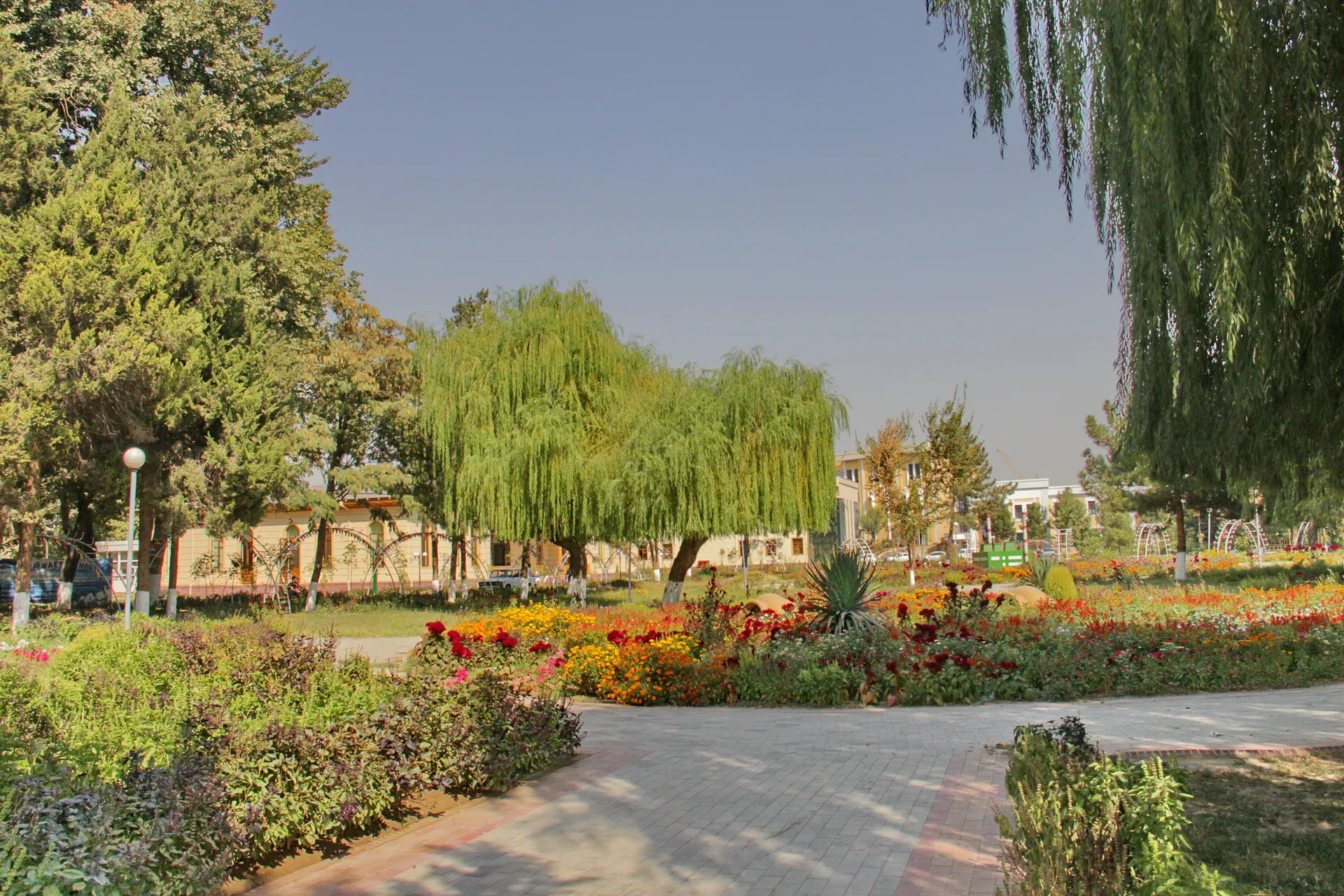
Namangan flower gardens
The city's long-standing horticultural reputation, at its peak in spring.
Namangan
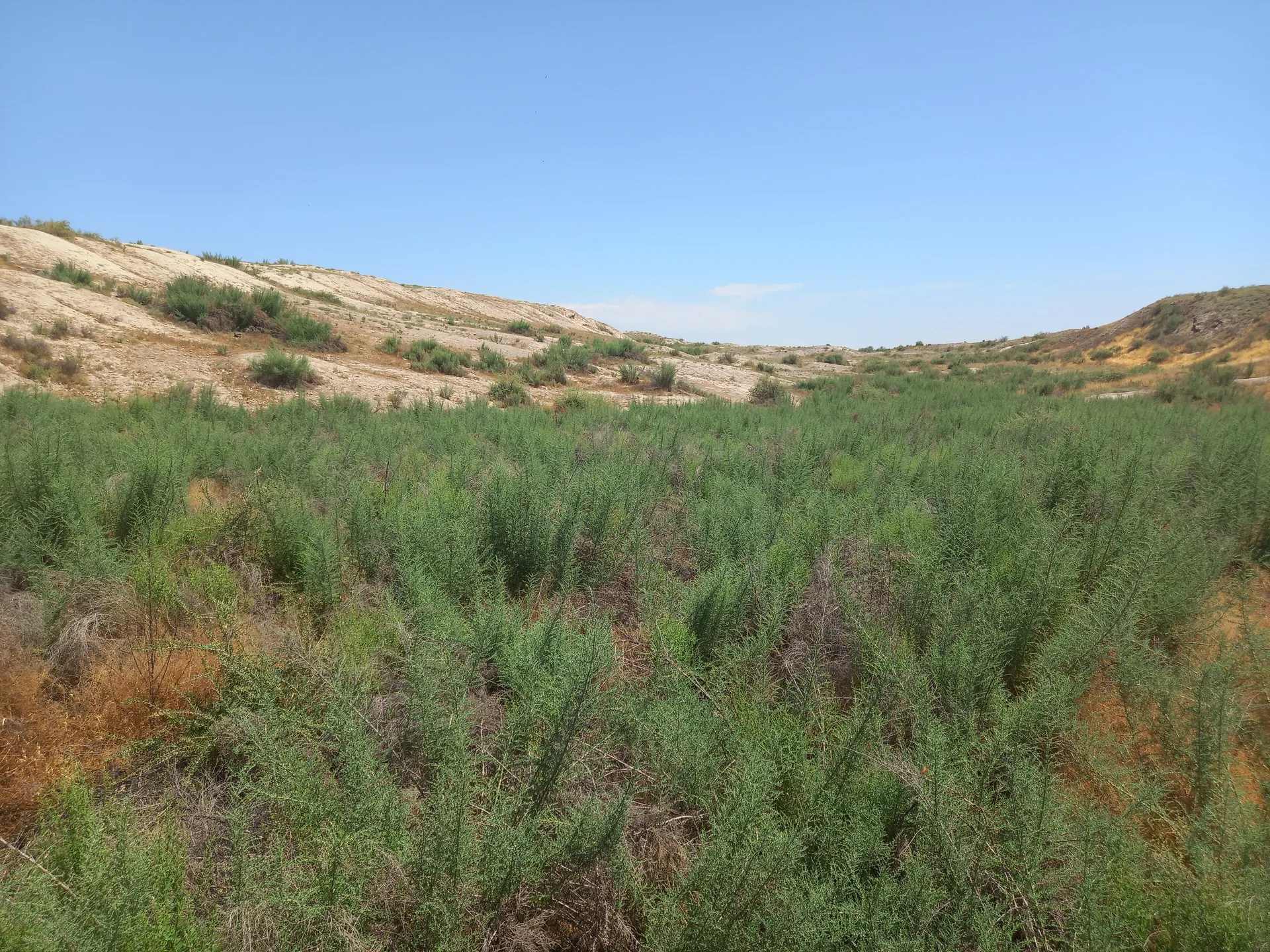
Akhsikent
Ruins of the medieval capital of the Fergana Valley, on a bluff above the Syr Darya.
Namangan
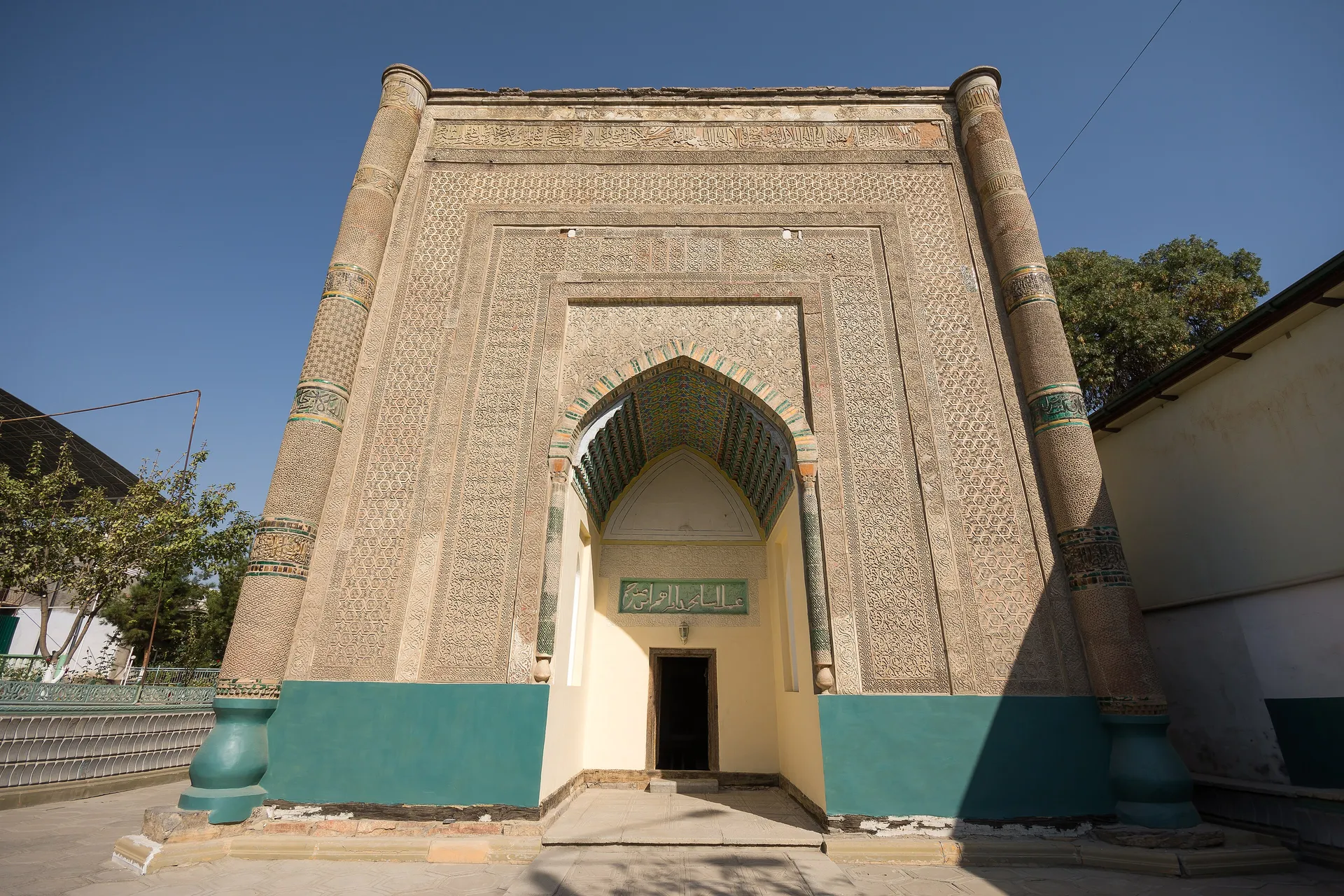
Khoja Amin Mausoleum
An 18th-century mausoleum in Namangan faced with carved, glazed terracotta.
Namangan
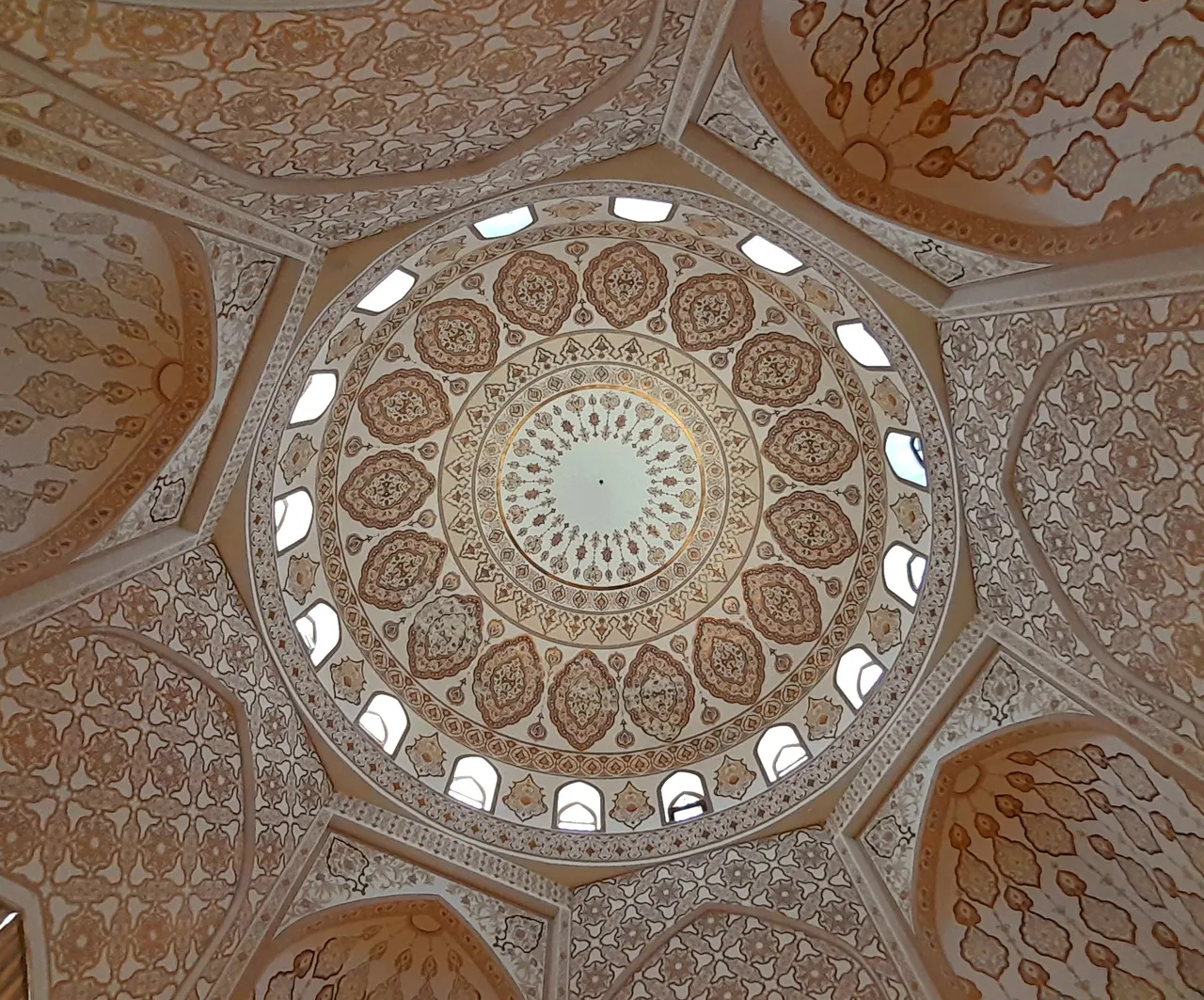
Is'hoqxon Ibrat House Museum
Ibrat's home at Toʻraqoʻrgʻon, now a museum at the heart of his memorial complex.
Navoiy
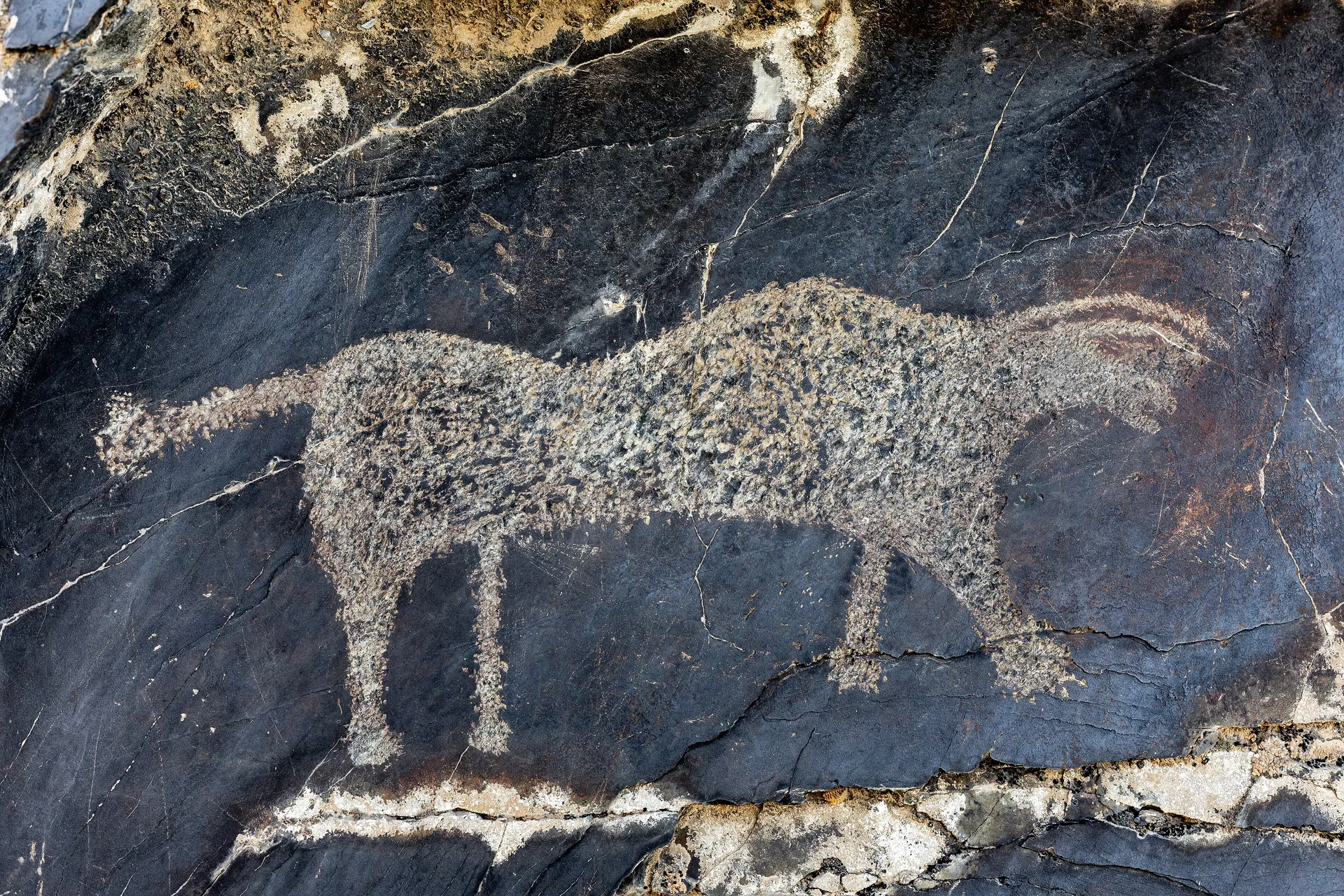
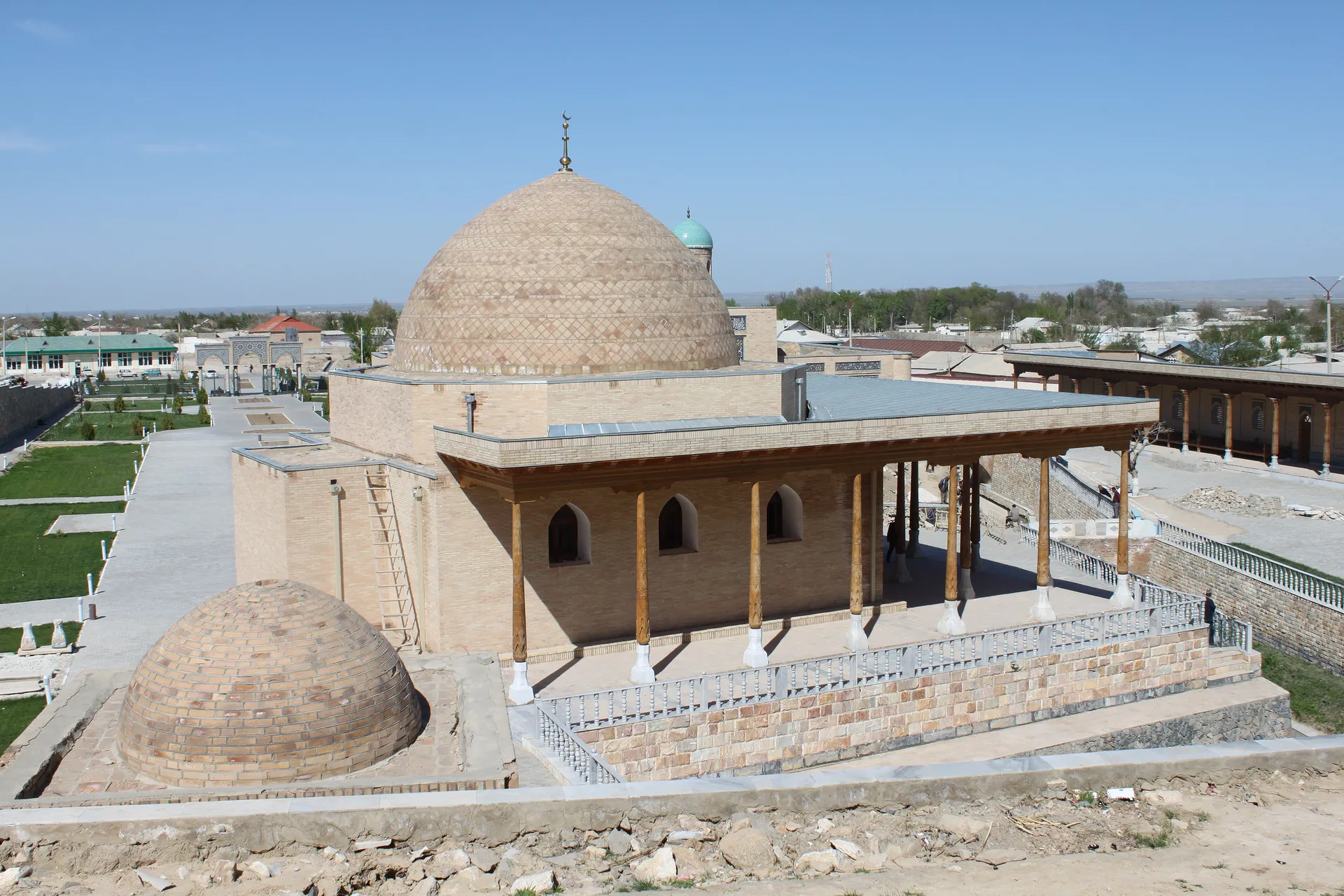
Sarmishsay petroglyphs
Thousands of rock carvings in a gorge, some more than four thousand years old.
Navoiy
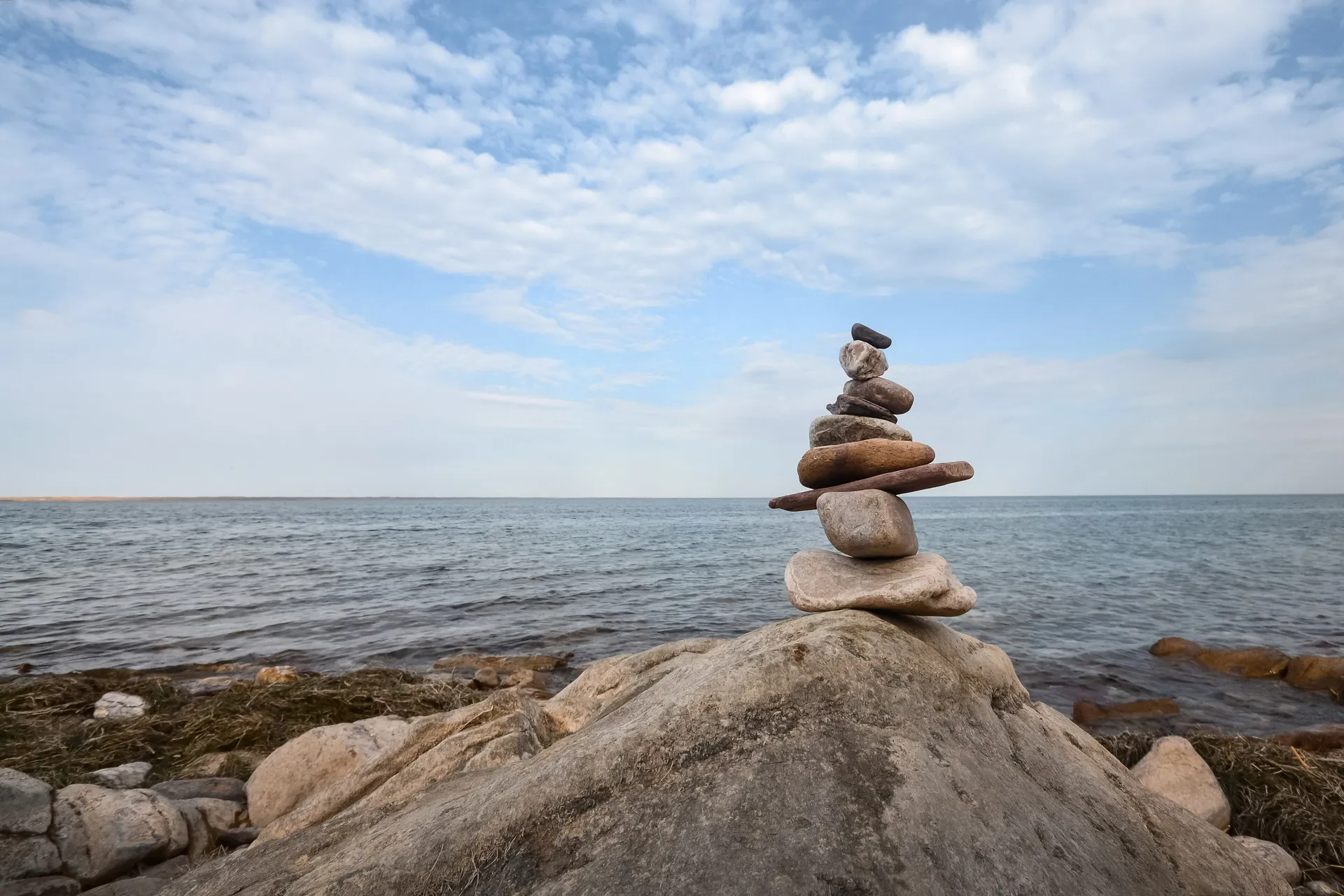
Nurata and the Chashma spring
A spring-fed pool of sacred fish beneath the ruins of an Alexandrian fort.
Navoiy
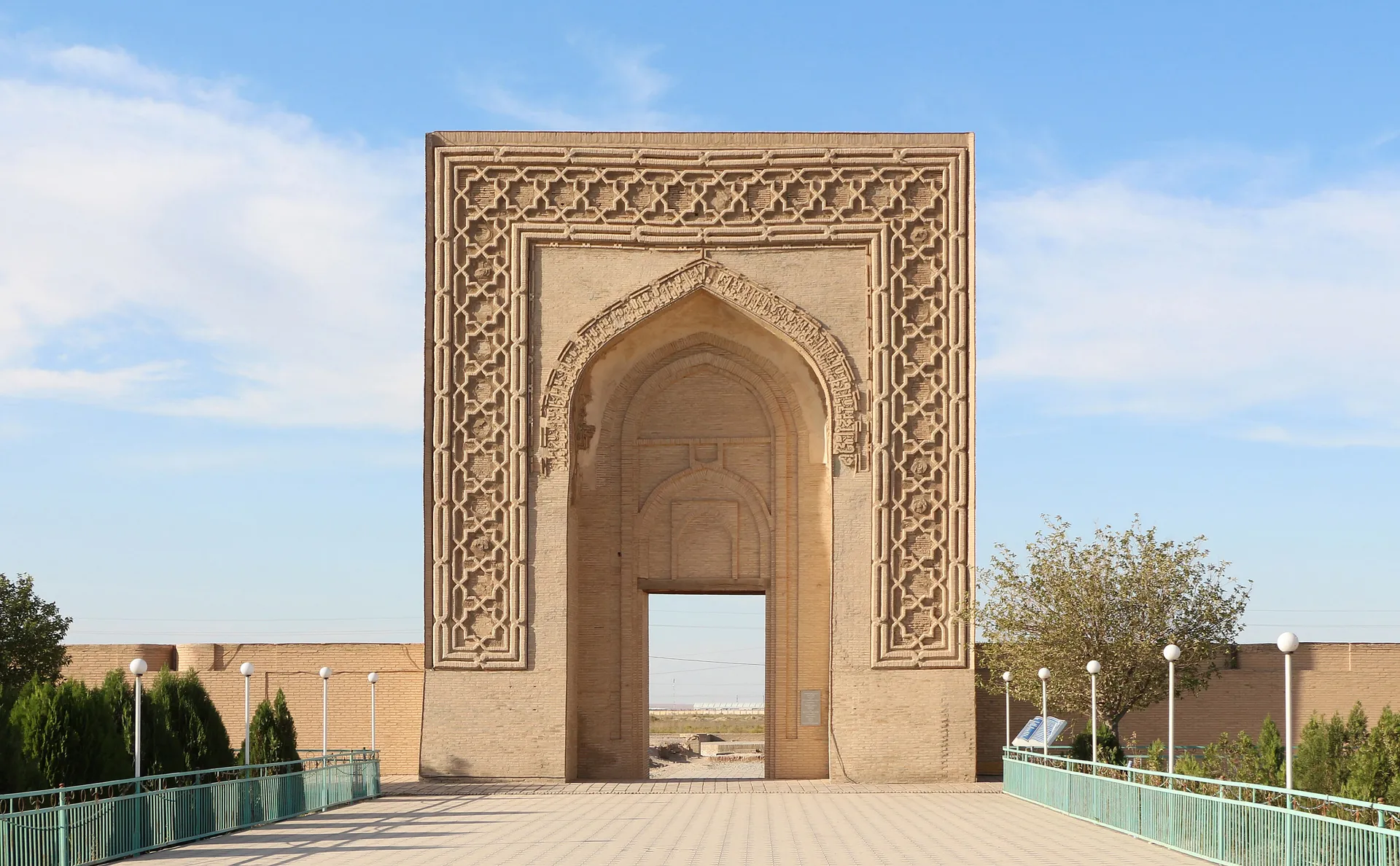
Lake Aydarkul
A large lake formed unintentionally in 1969, now surrounded by yurt camps.
Navoiy
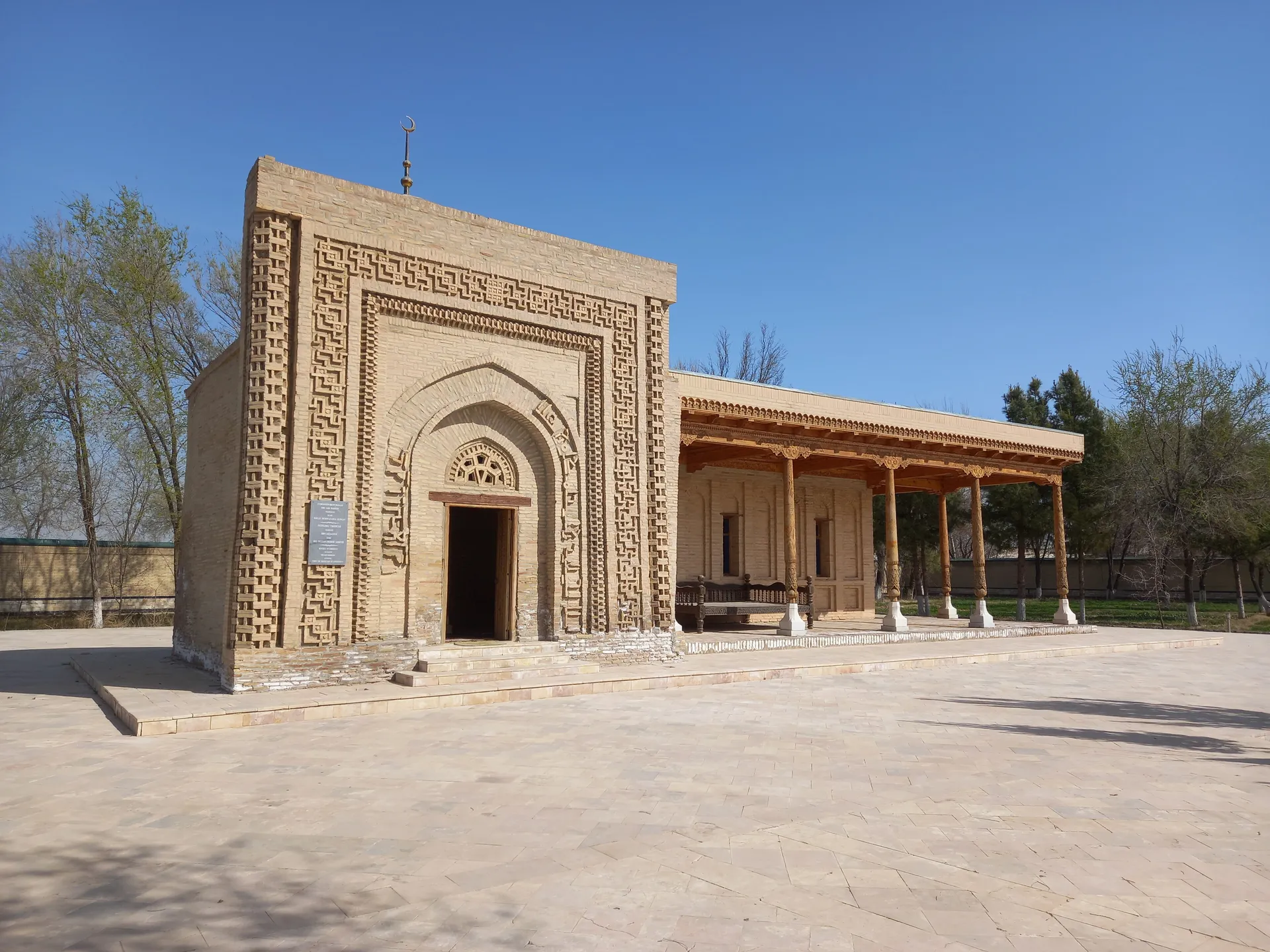
Rabat-i Malik
The portal of an 11th-century royal caravanserai on the Samarkand–Bukhara road, with its domed cistern.
Navoiy
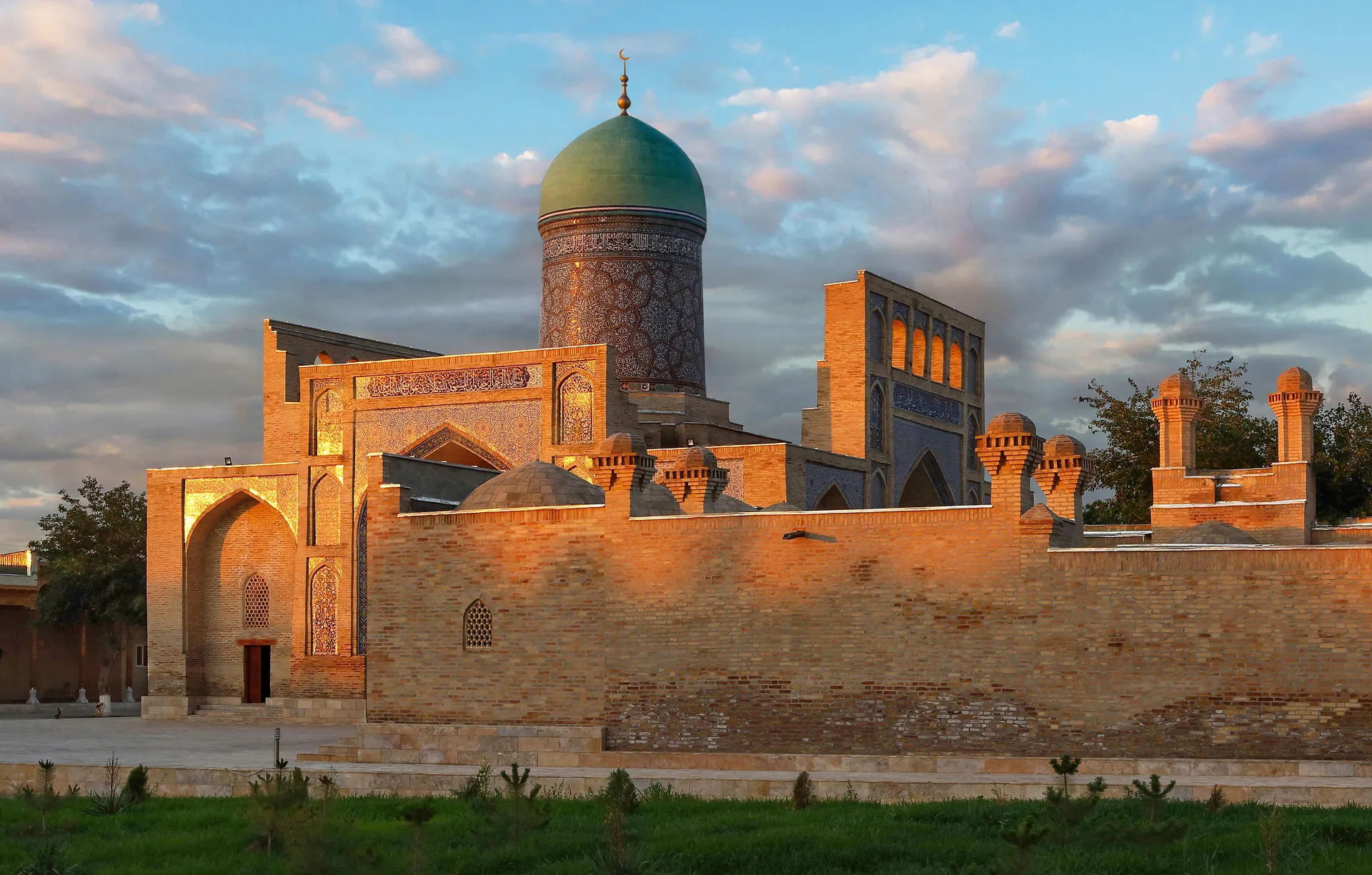
Mir Said Bahrom Mausoleum
A small 11th-century tomb in Karmana, among the oldest brick mausoleums in Central Asia.
Navoiy
Qosim Shayx Complex
A 16th-century khanaqah in Karmana, built around the tomb of the Sufi Qosim Shayx.
Samarkand
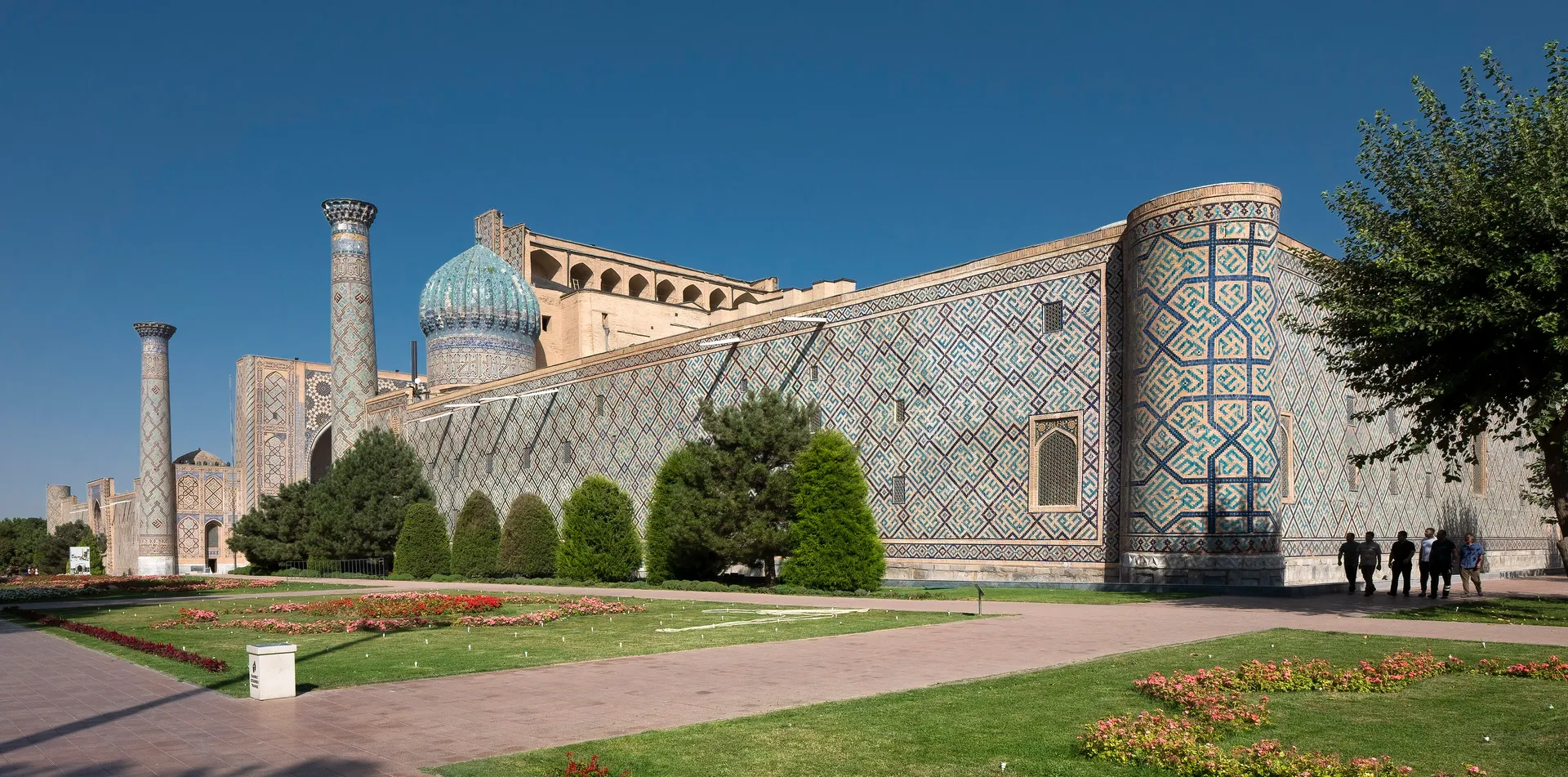
The Registan
Three madrasahs facing one square, built across three centuries.
Samarkand
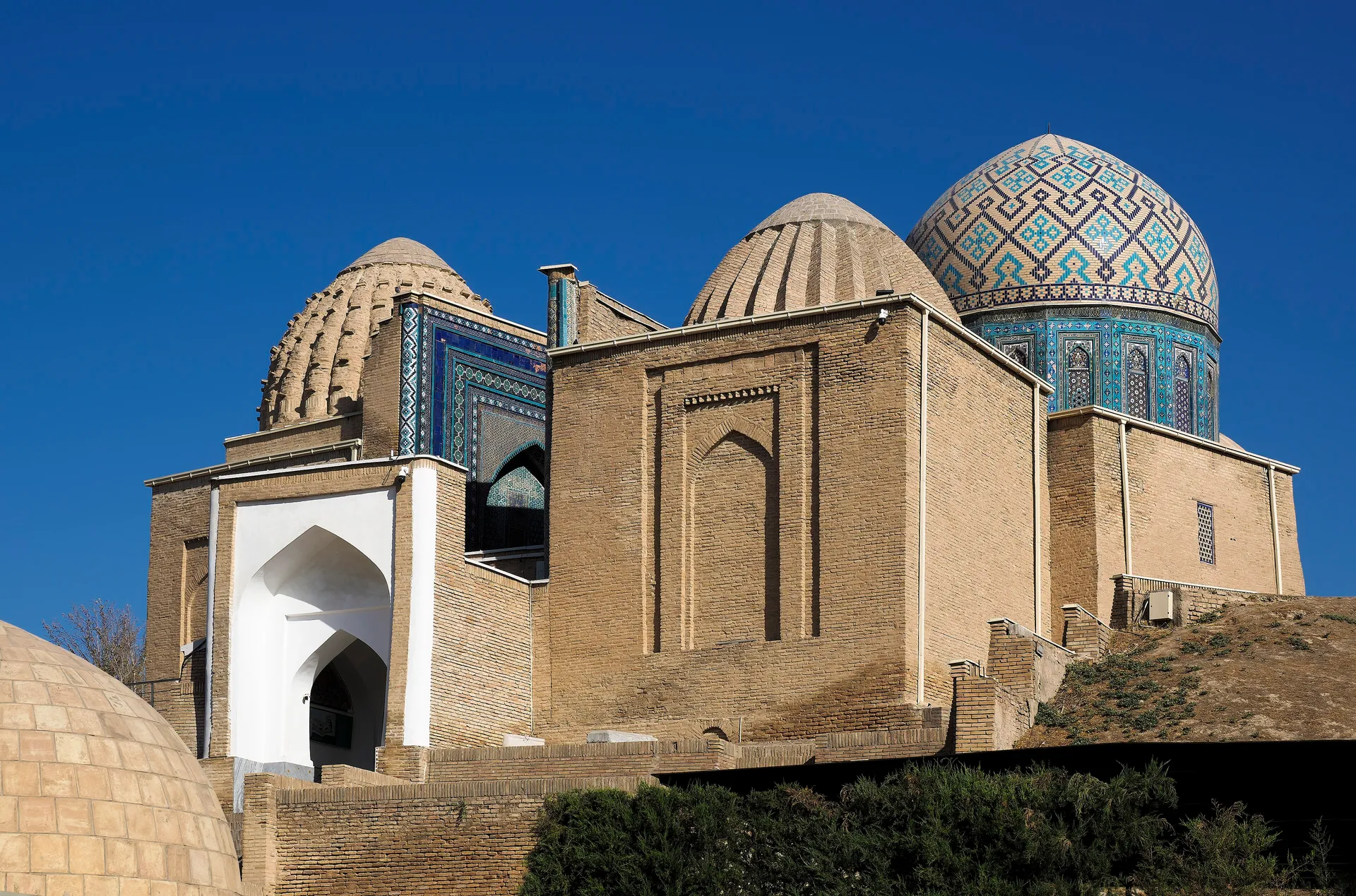
Shah-i-Zinda
A narrow avenue of tombs, each façade tiled by a different workshop.
Samarkand
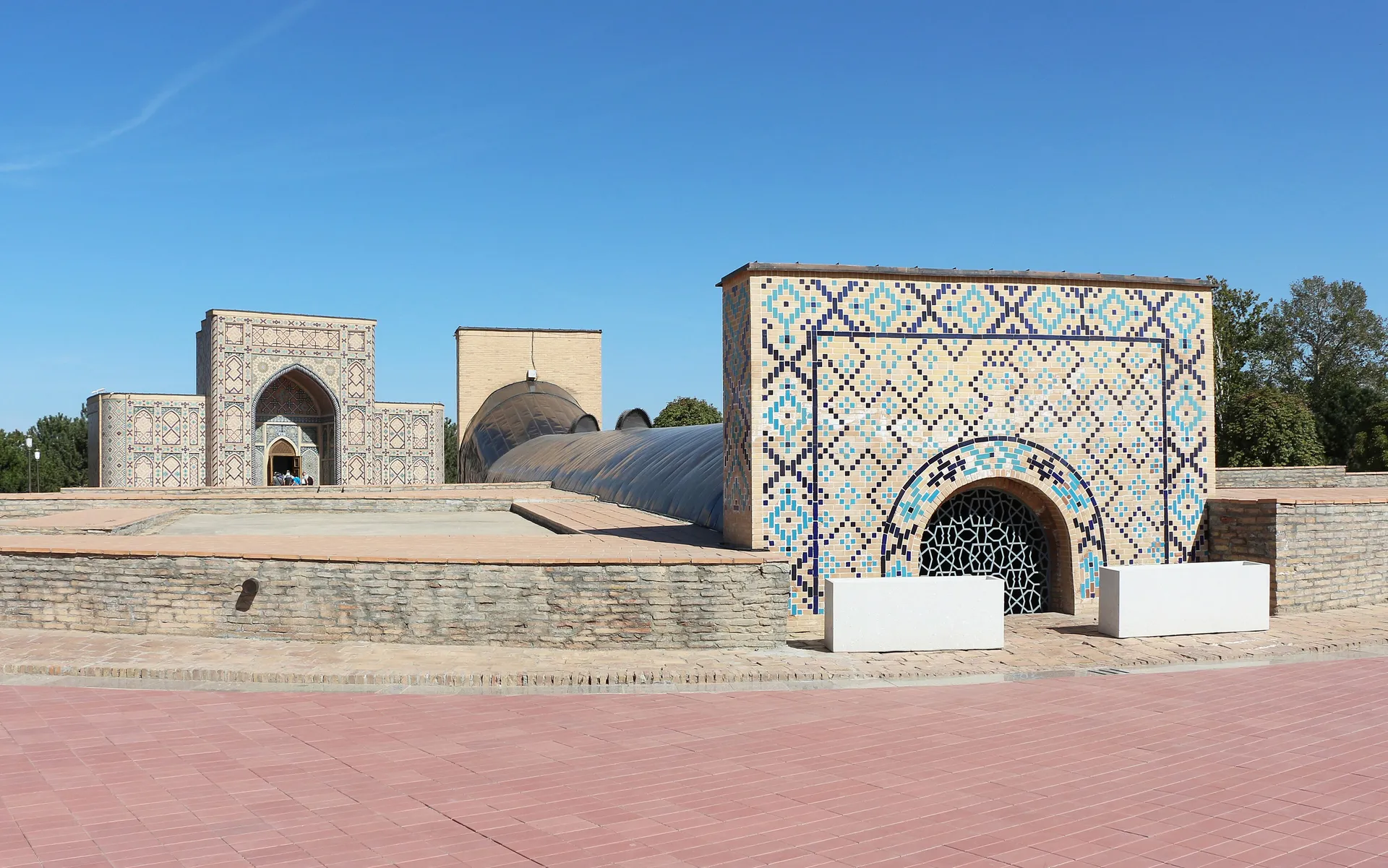
Ulugh Beg's Observatory
The surviving arc of a 15th-century sextant cut into bedrock.
Samarkand
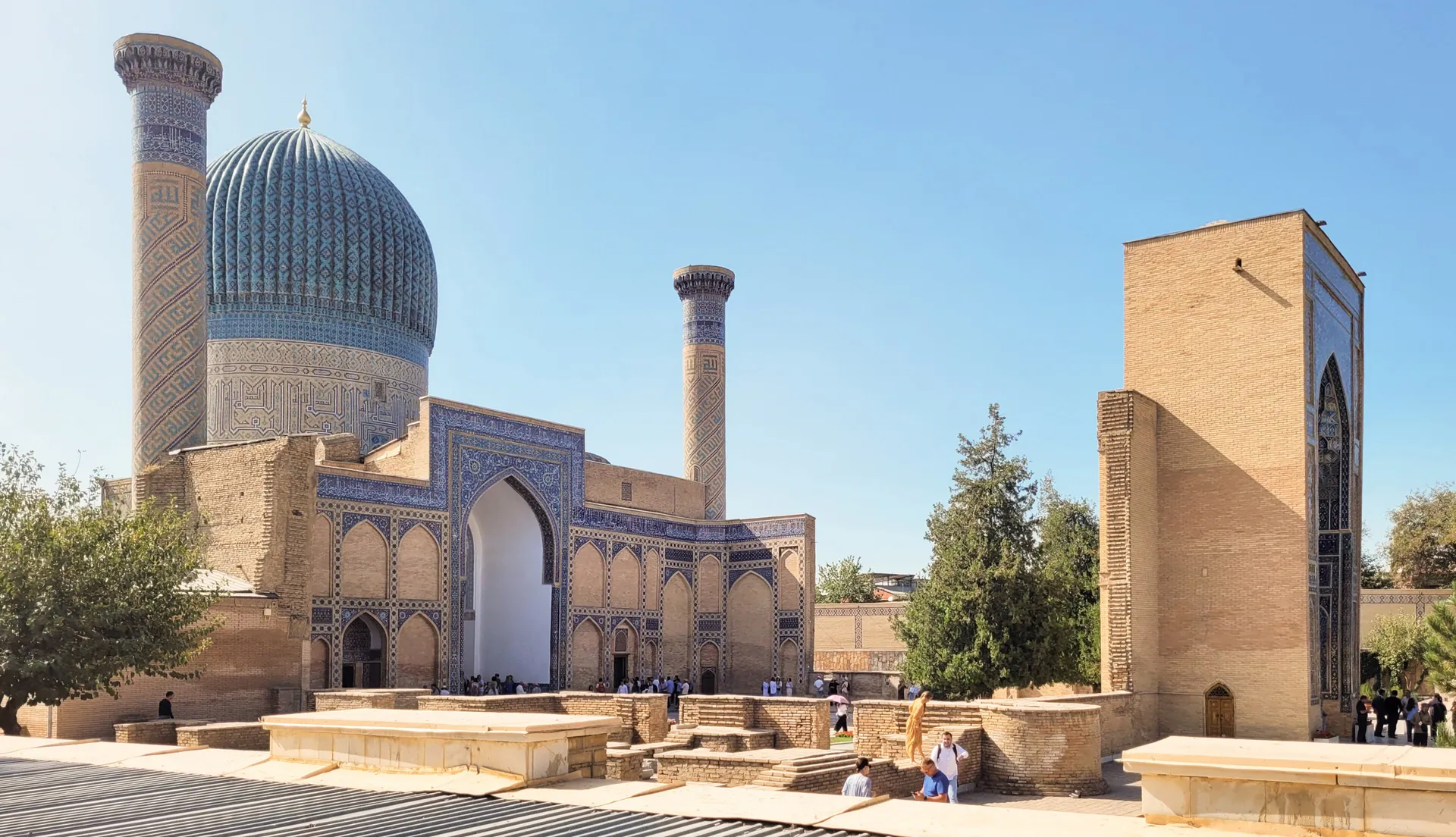
Gur-e Amir
Timur's family tomb under a ribbed turquoise dome, forerunner of the great Mughal mausoleums.
Samarkand
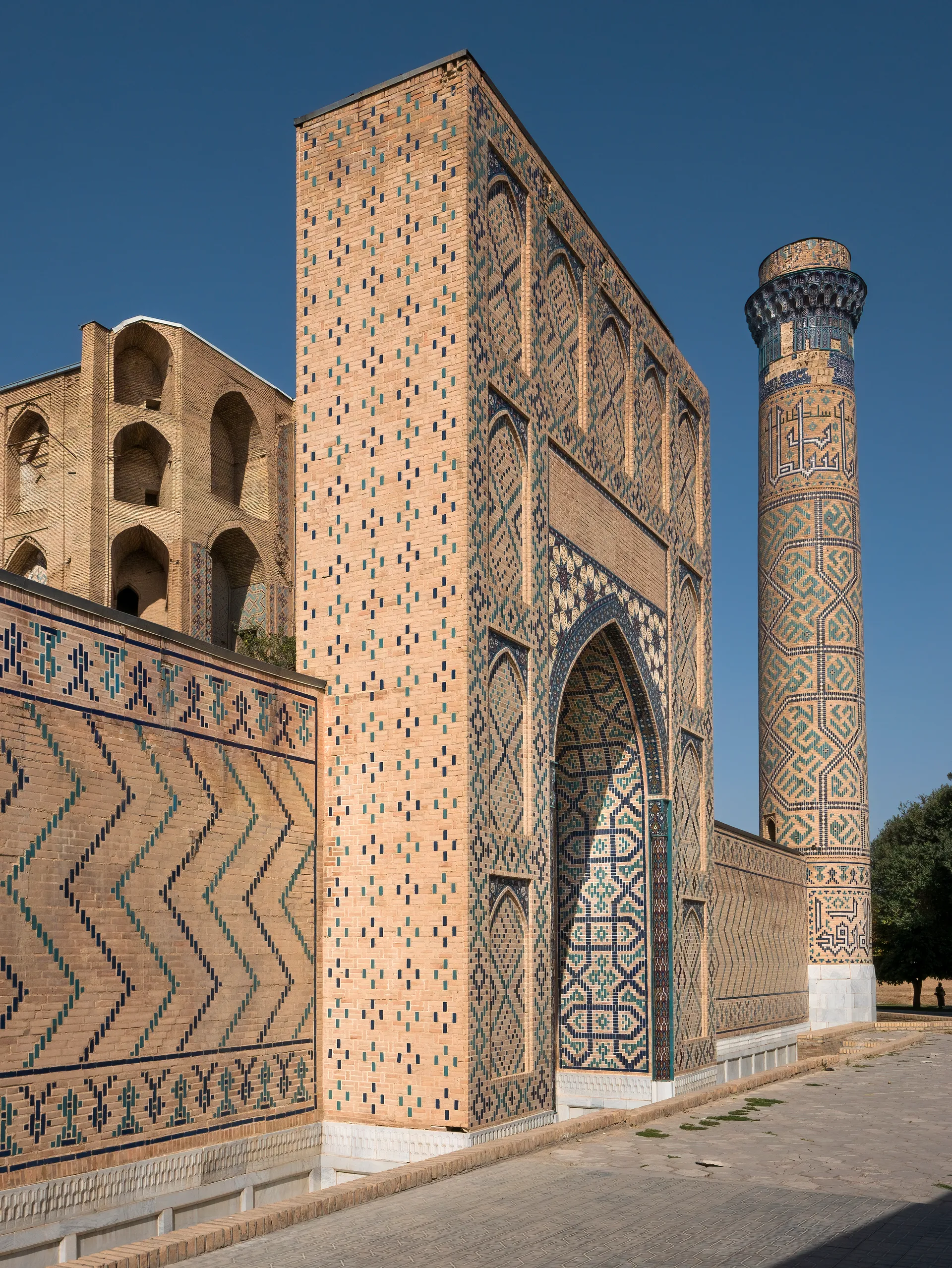
Bibi-Khanym Mosque
Timur's Friday mosque, raised after his Indian campaign and once among the largest in the Islamic world.
Samarkand
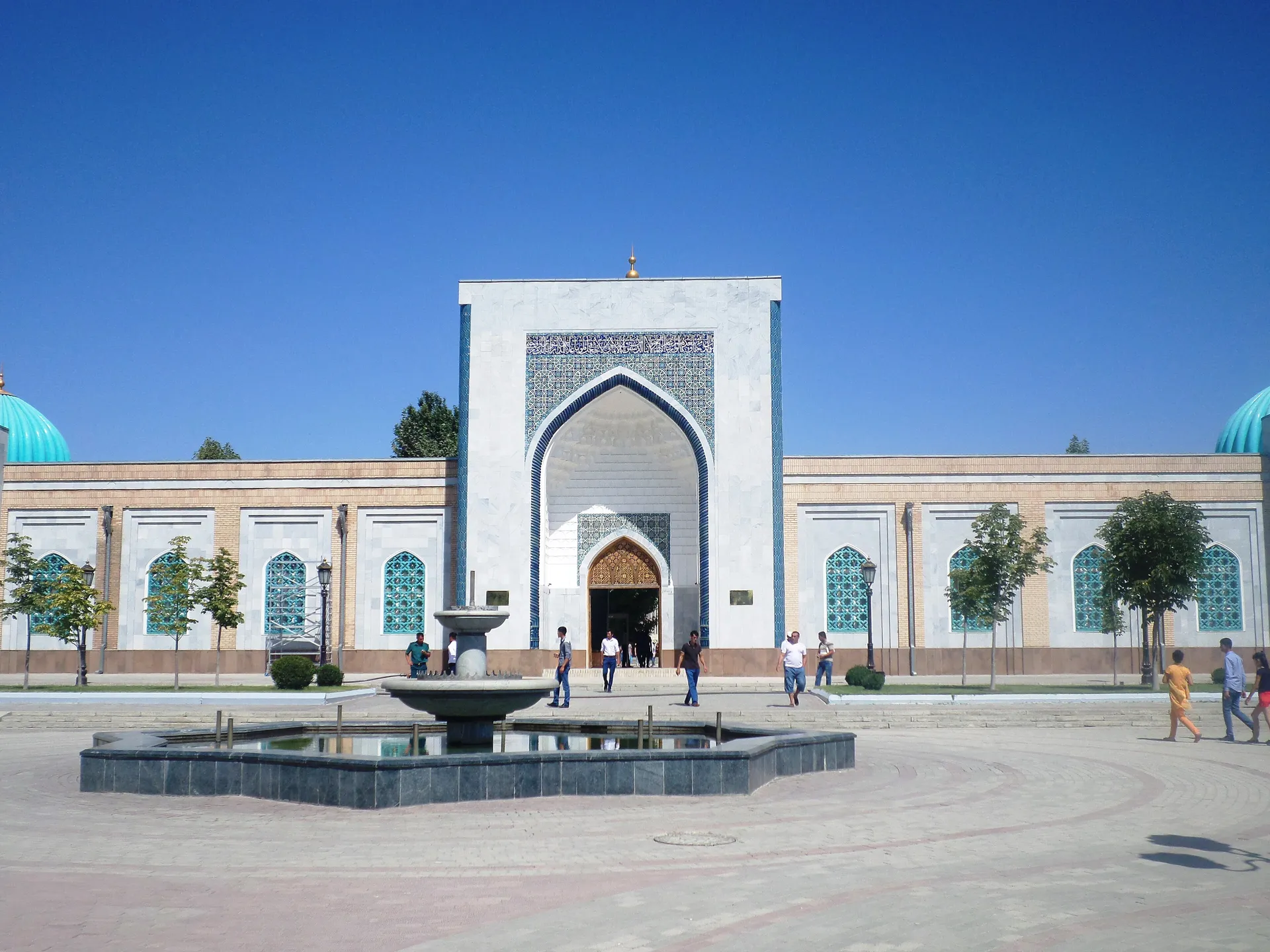
Imam al-Bukhari Memorial Complex
The resting place of Imam al-Bukhari, compiler of the most trusted collection of hadith, at Hartang near Samarkand.
Sirdaryo
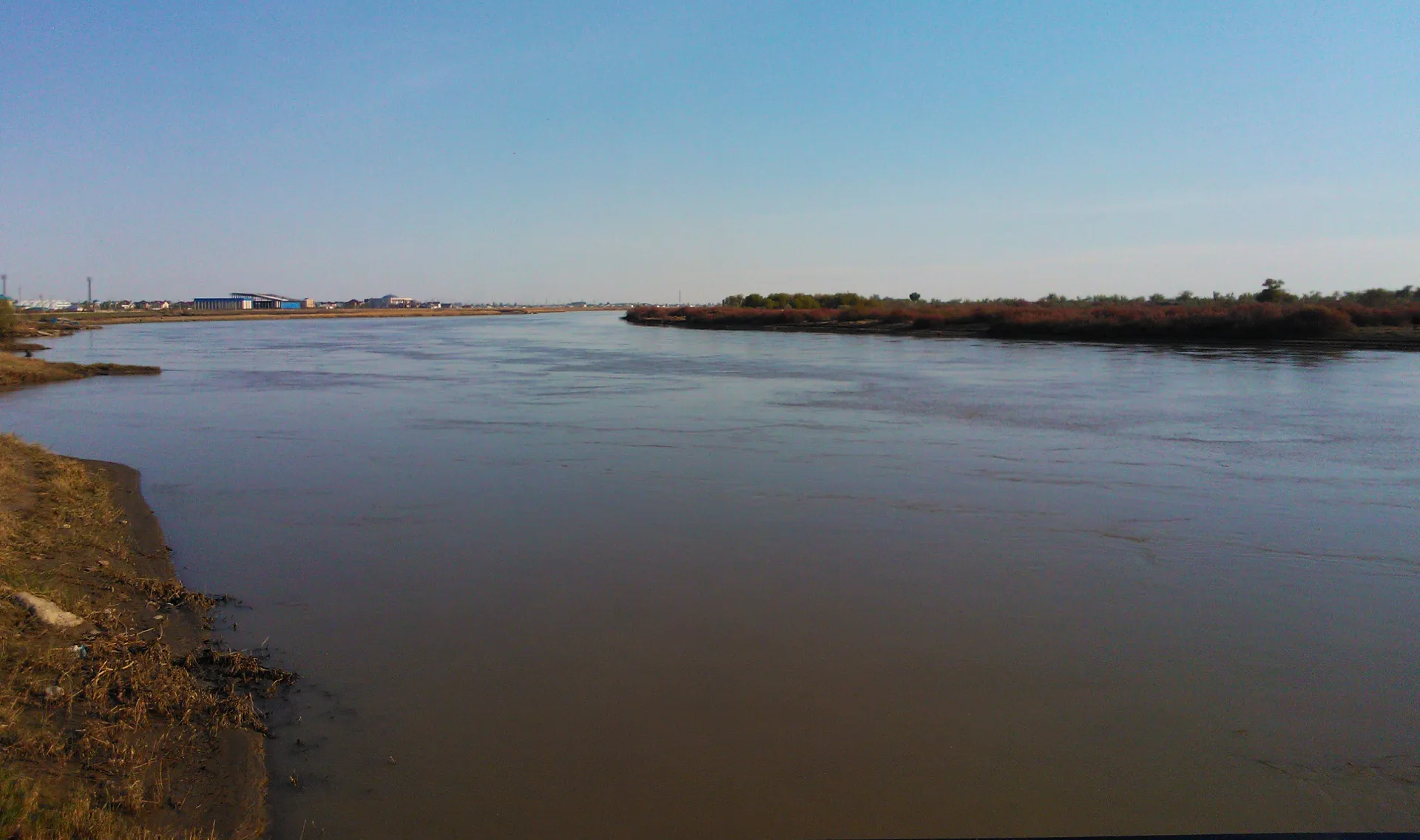
The Syr Darya
Central Asia's longest river, and one of the two that once fed the Aral Sea.
Sirdaryo
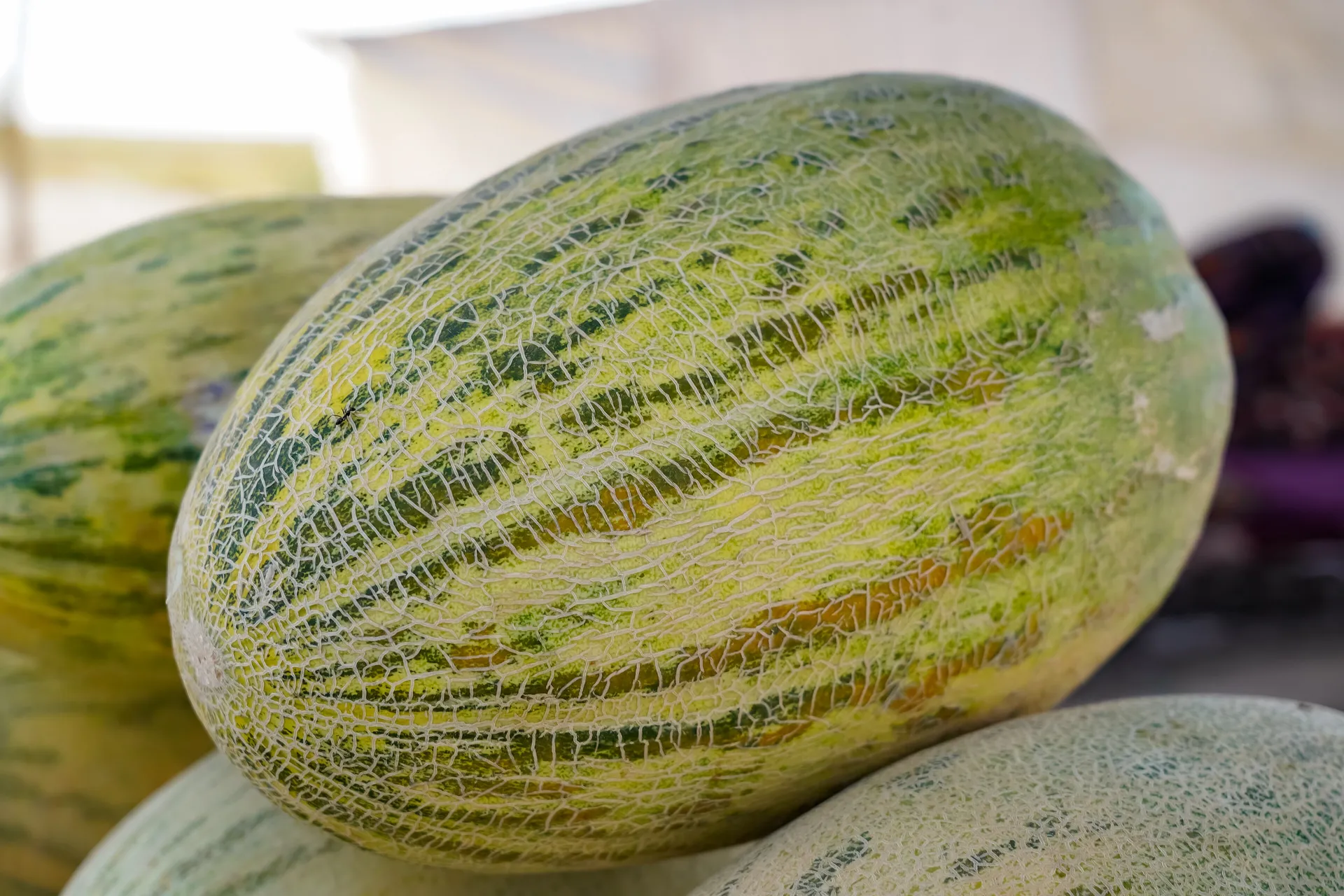
Mirzachul melon fields
The melon variety that carries this steppe's name across the region.
Sirdaryo
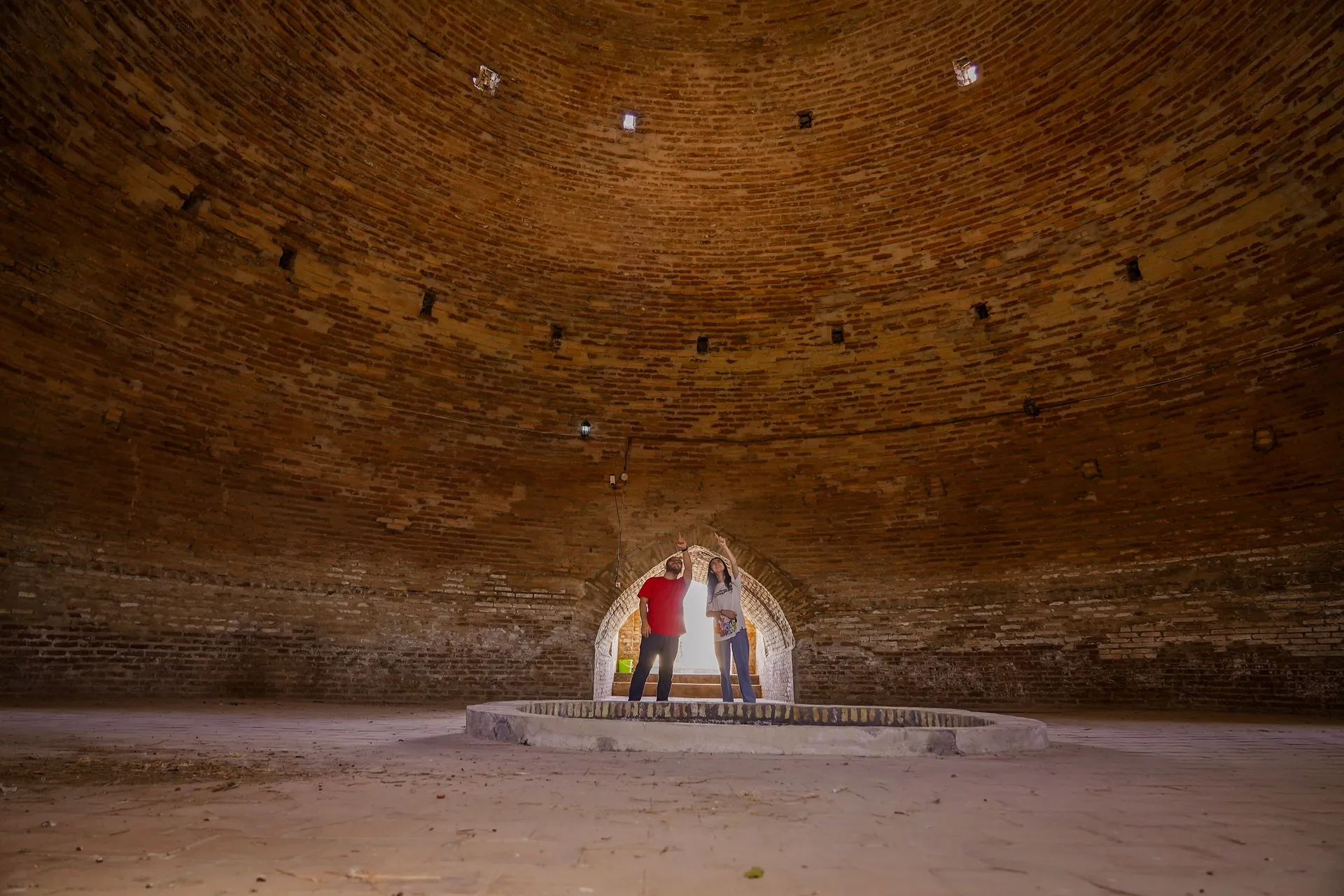
Ogʻoch Sardoba
A domed brick cistern on the old caravan road across the Mirzachul steppe.
Sirdaryo
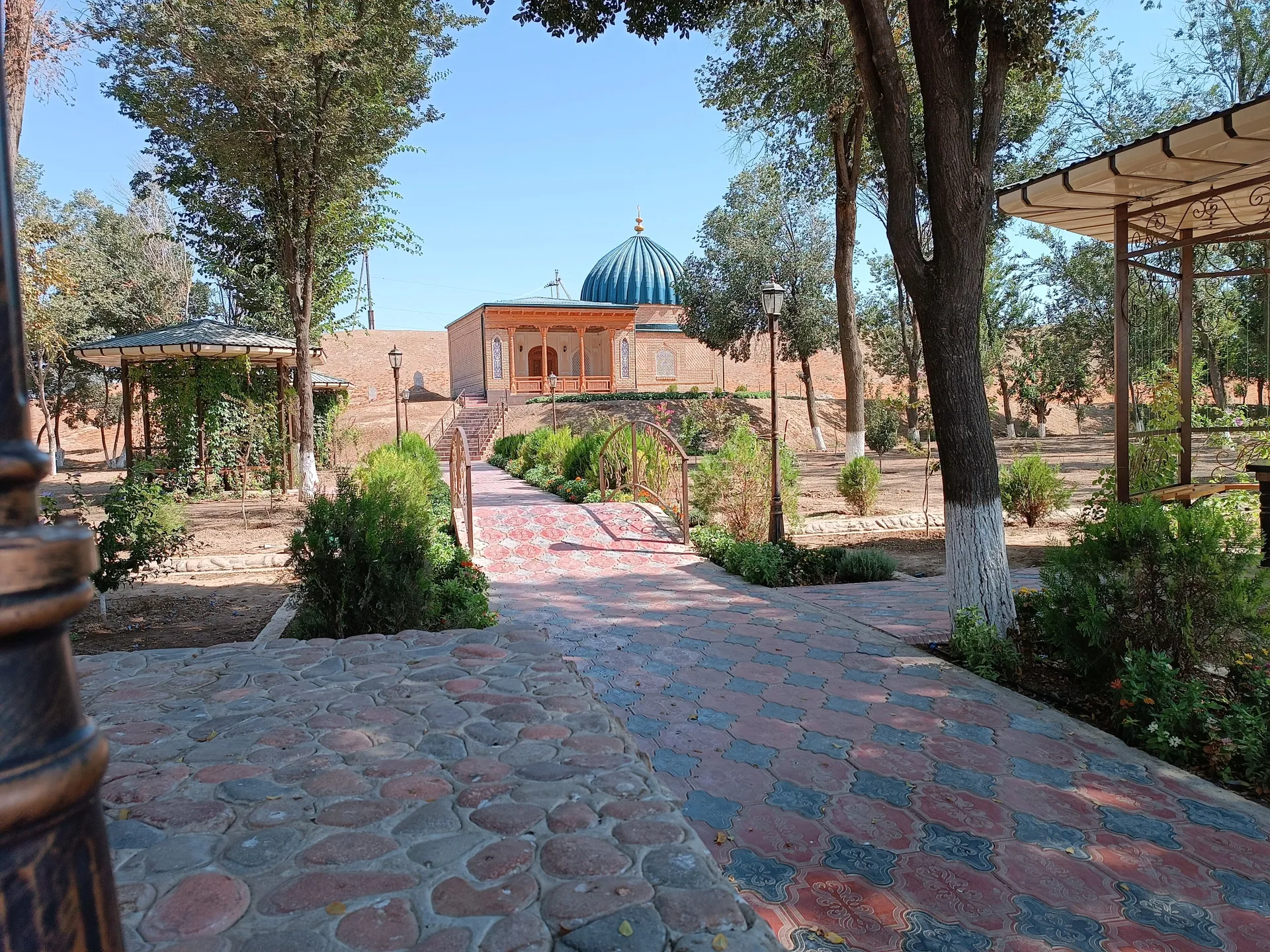
Bibi Khadija Mausoleum
A blue-domed shrine set in a quiet garden with a pool, a place of local pilgrimage.
Sirdaryo
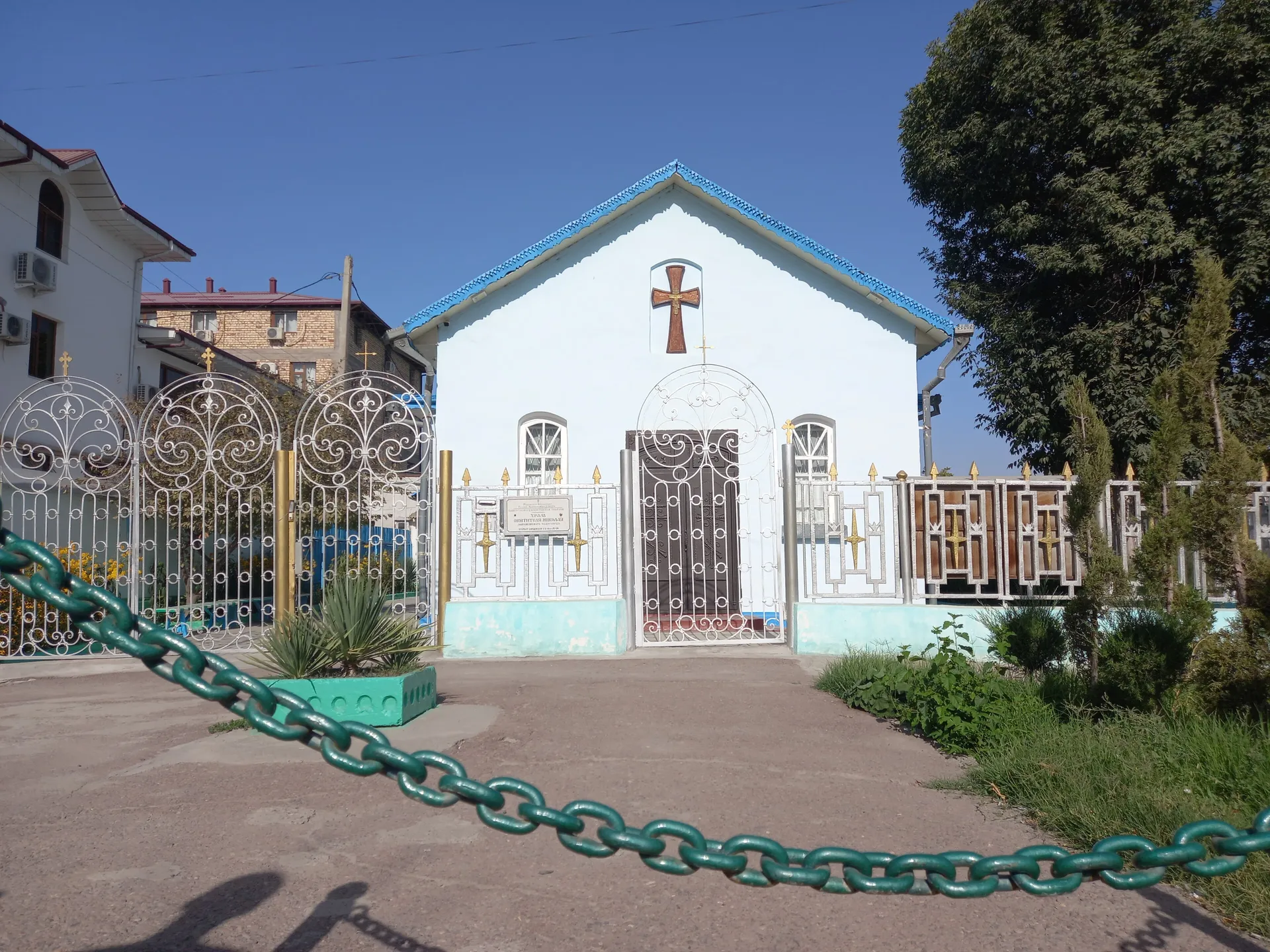
St Nicholas Church, Gulistan
A small white Orthodox church in the regional capital, a trace of the settlers who farmed the steppe.
Sirdaryo
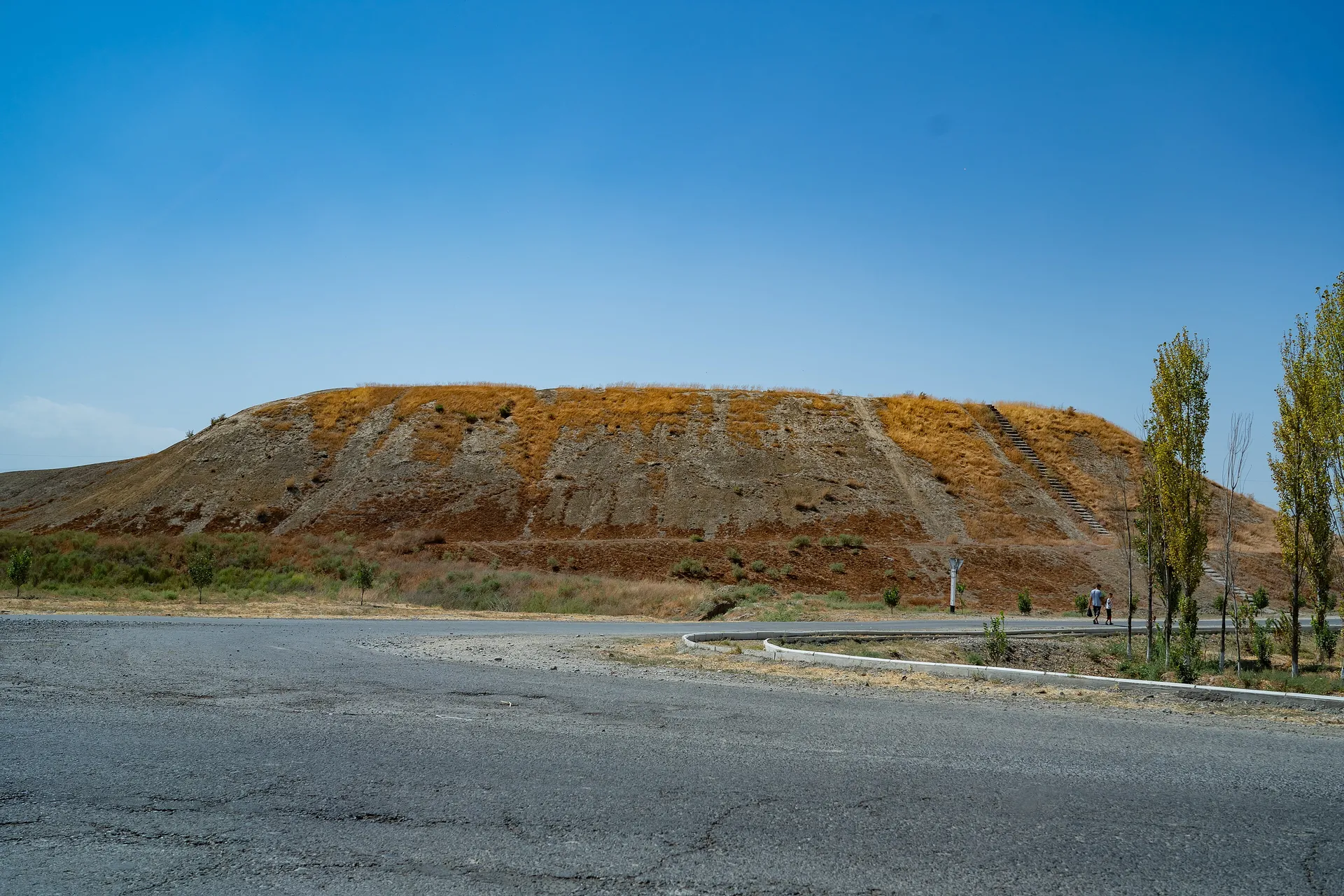
Old Khavos
The earthen mound of a Silk Road town on the road between Tashkent and Samarkand.
Surkhandarya
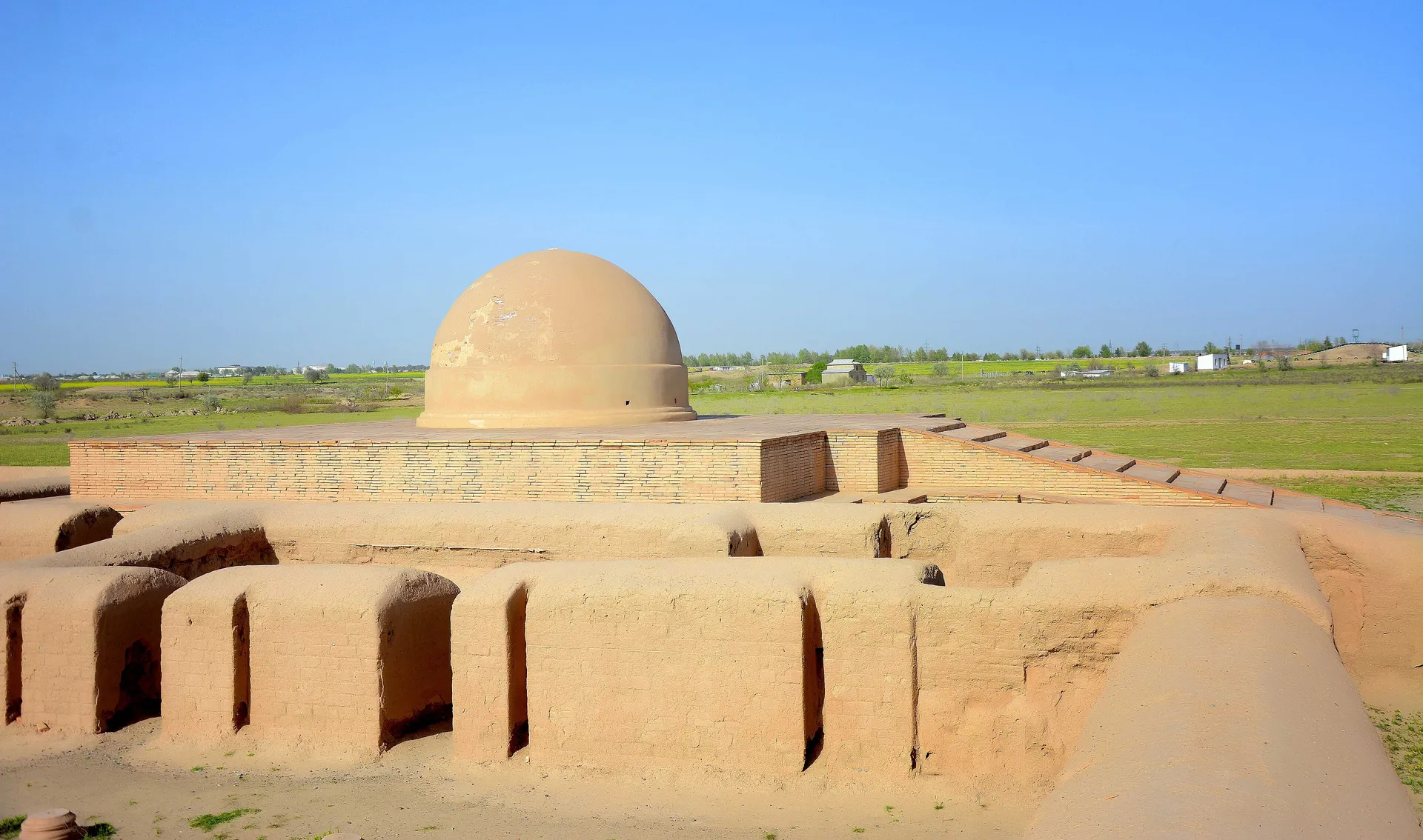
Fayaz-Tepa
A Buddhist monastery complex from around the first to third centuries AD.
Surkhandarya
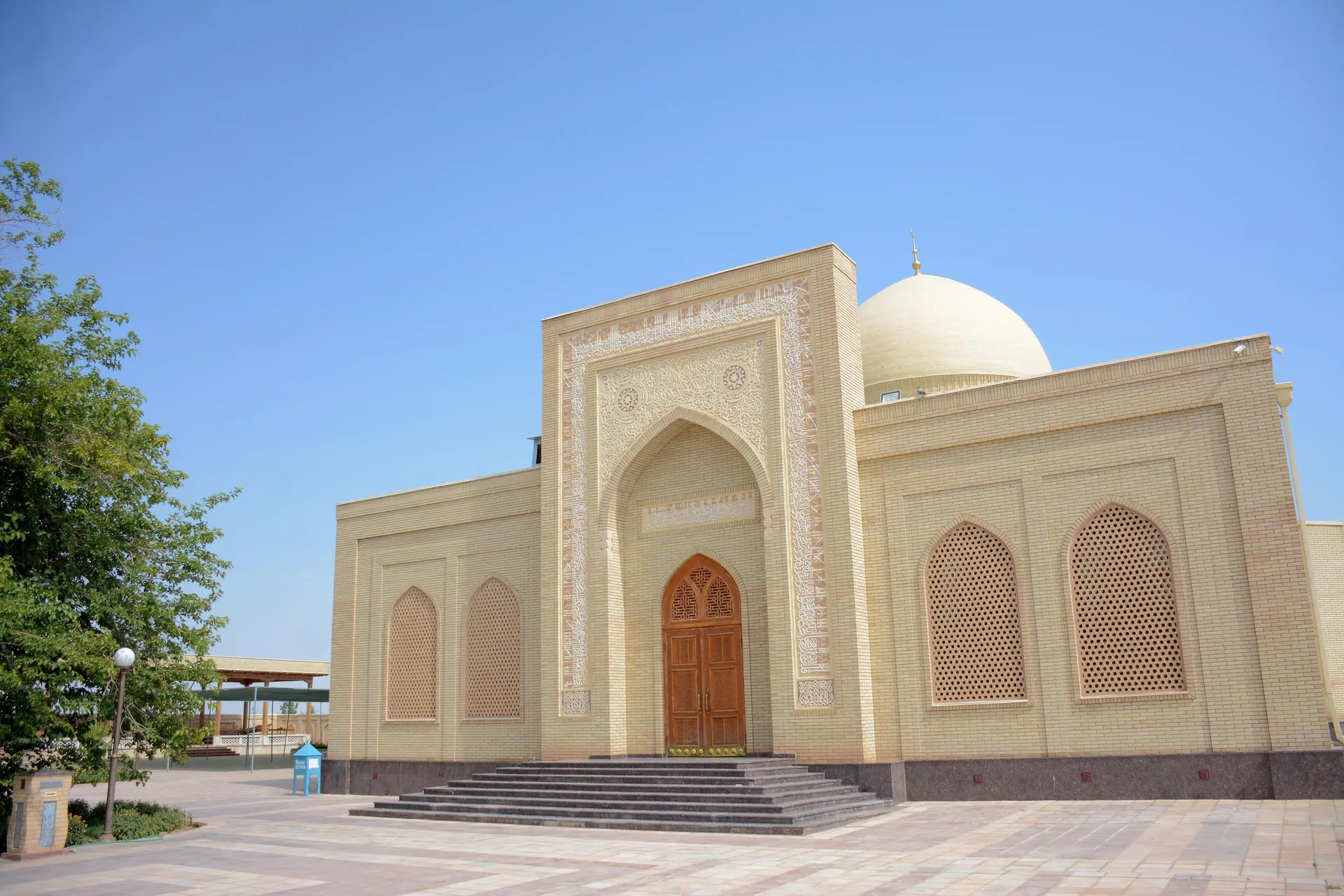
Al-Hakim at-Termizi Mausoleum
The shrine of a ninth-century Sufi thinker, on the Amu Darya bank.
Surkhandarya
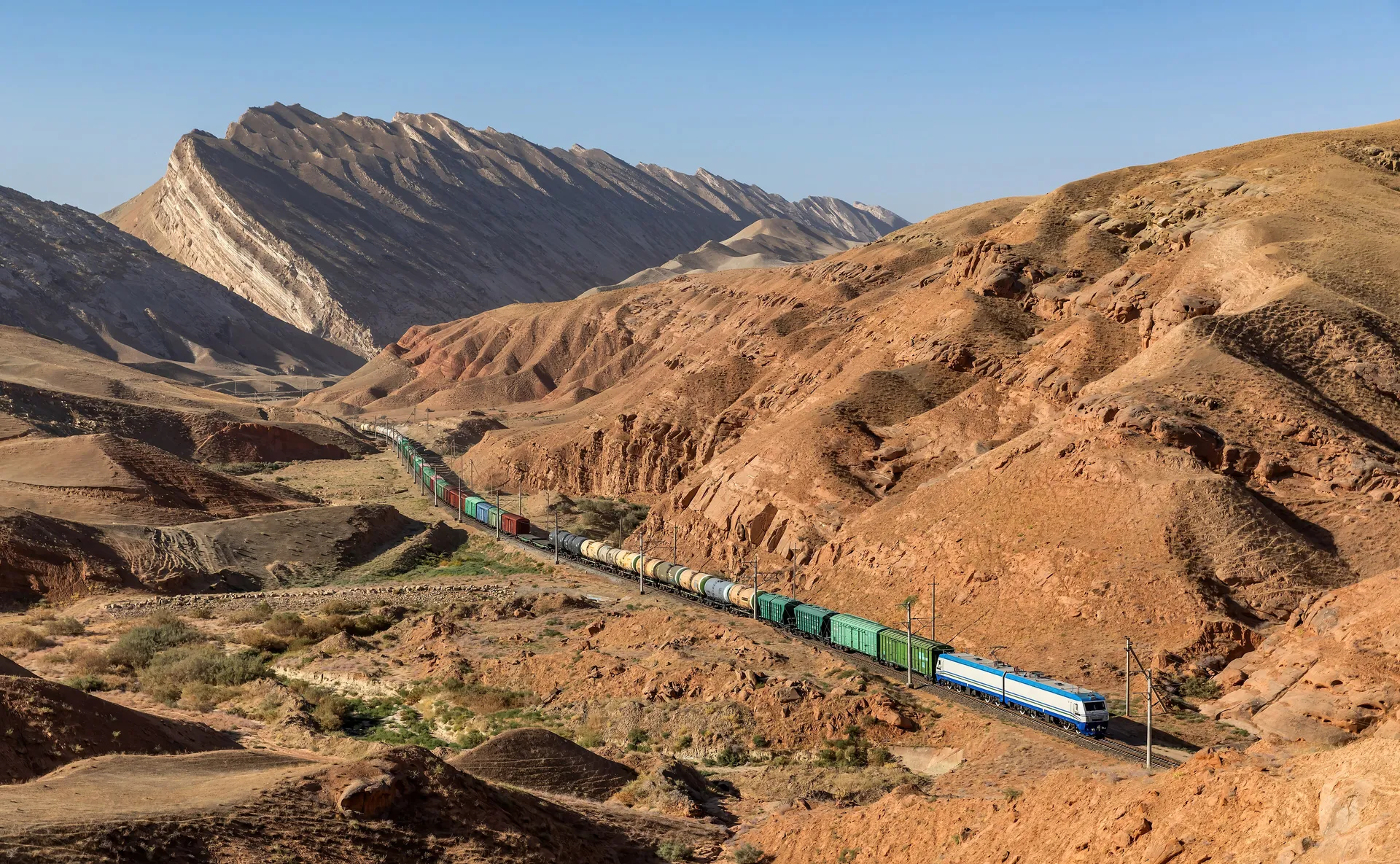
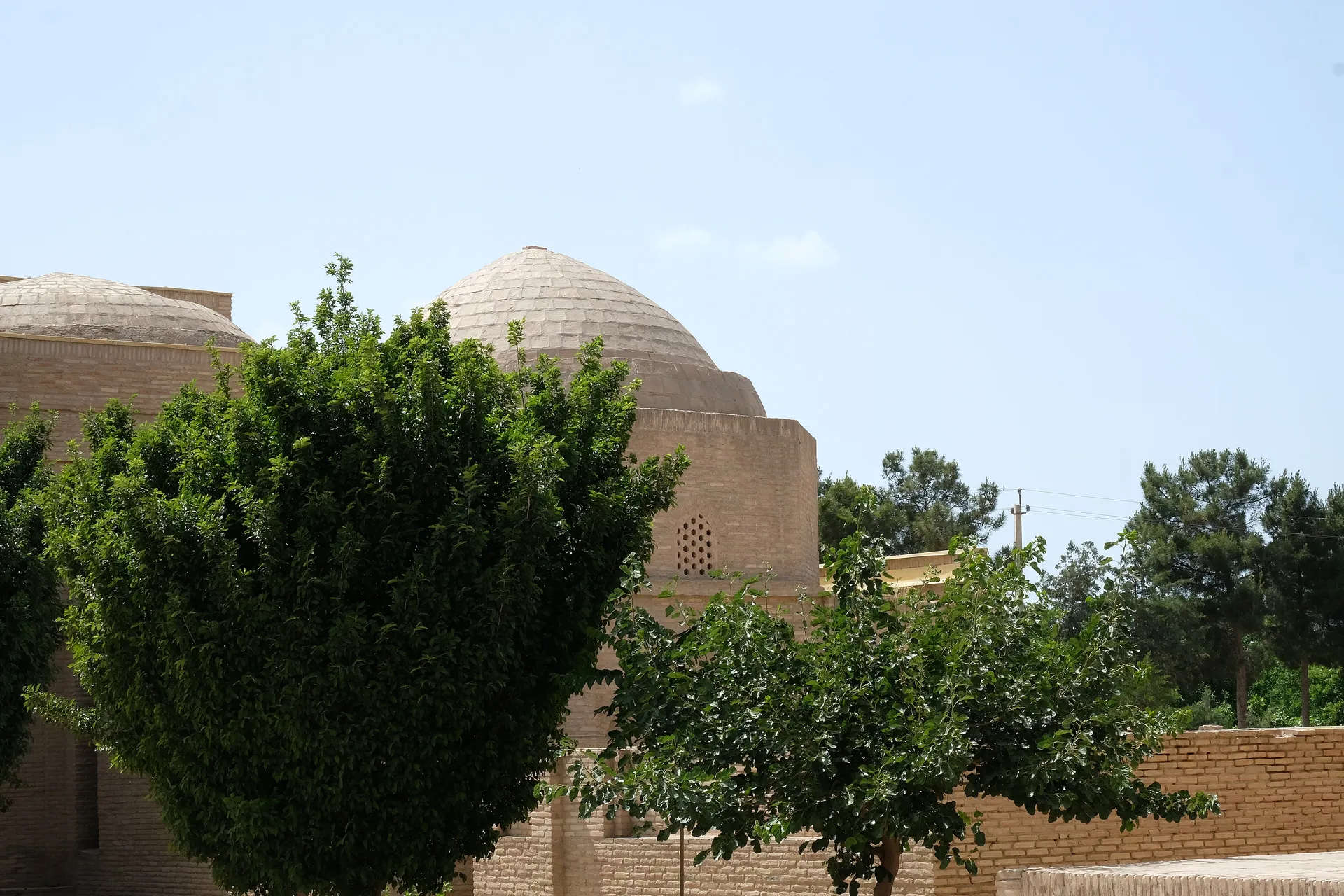
Boysun
A mountain district whose living traditions are on UNESCO's heritage lists.
Surkhandarya
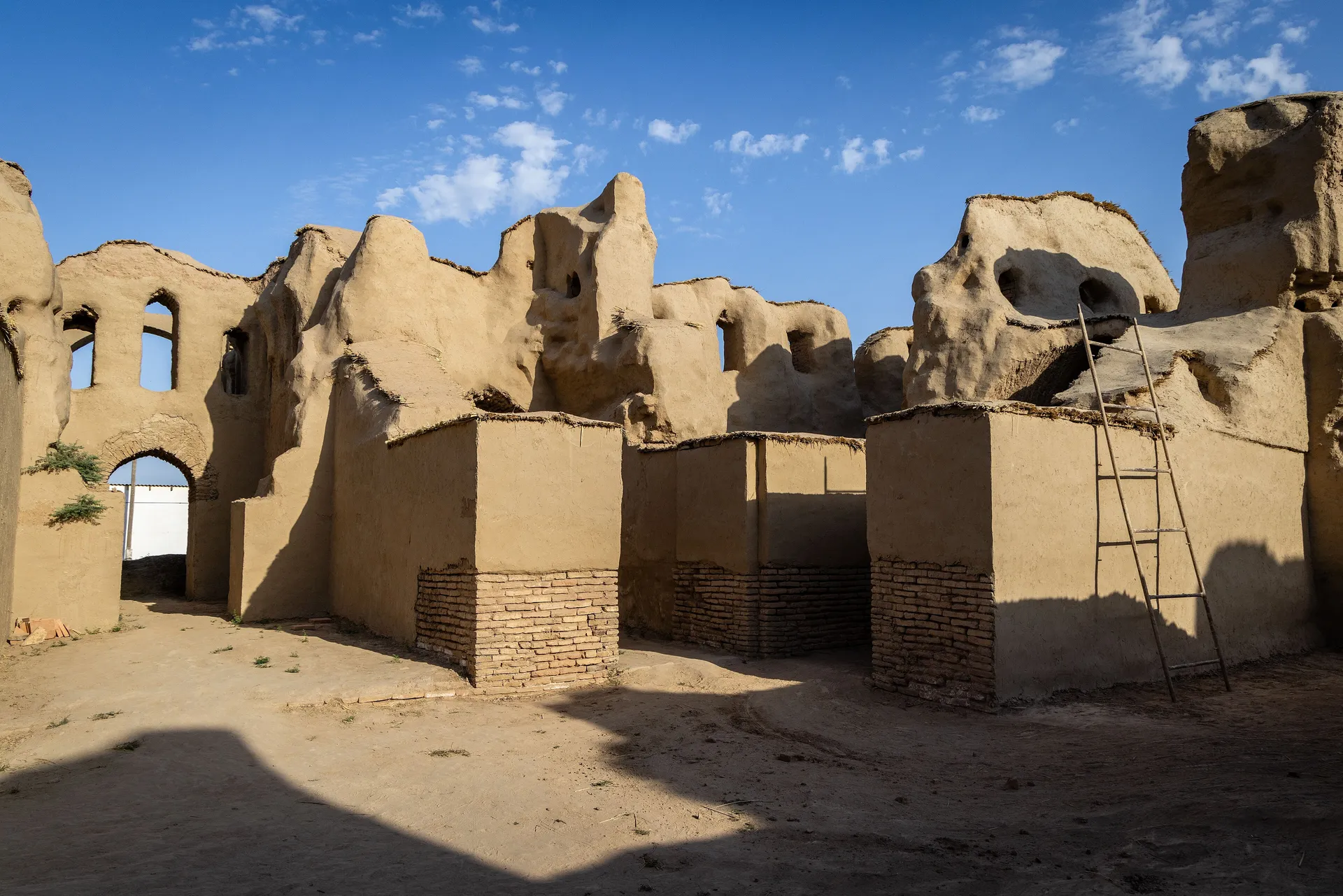
Sultan Saodat
The family necropolis of the Termez sayyids, built up from the 10th to the 17th century.
Surkhandarya
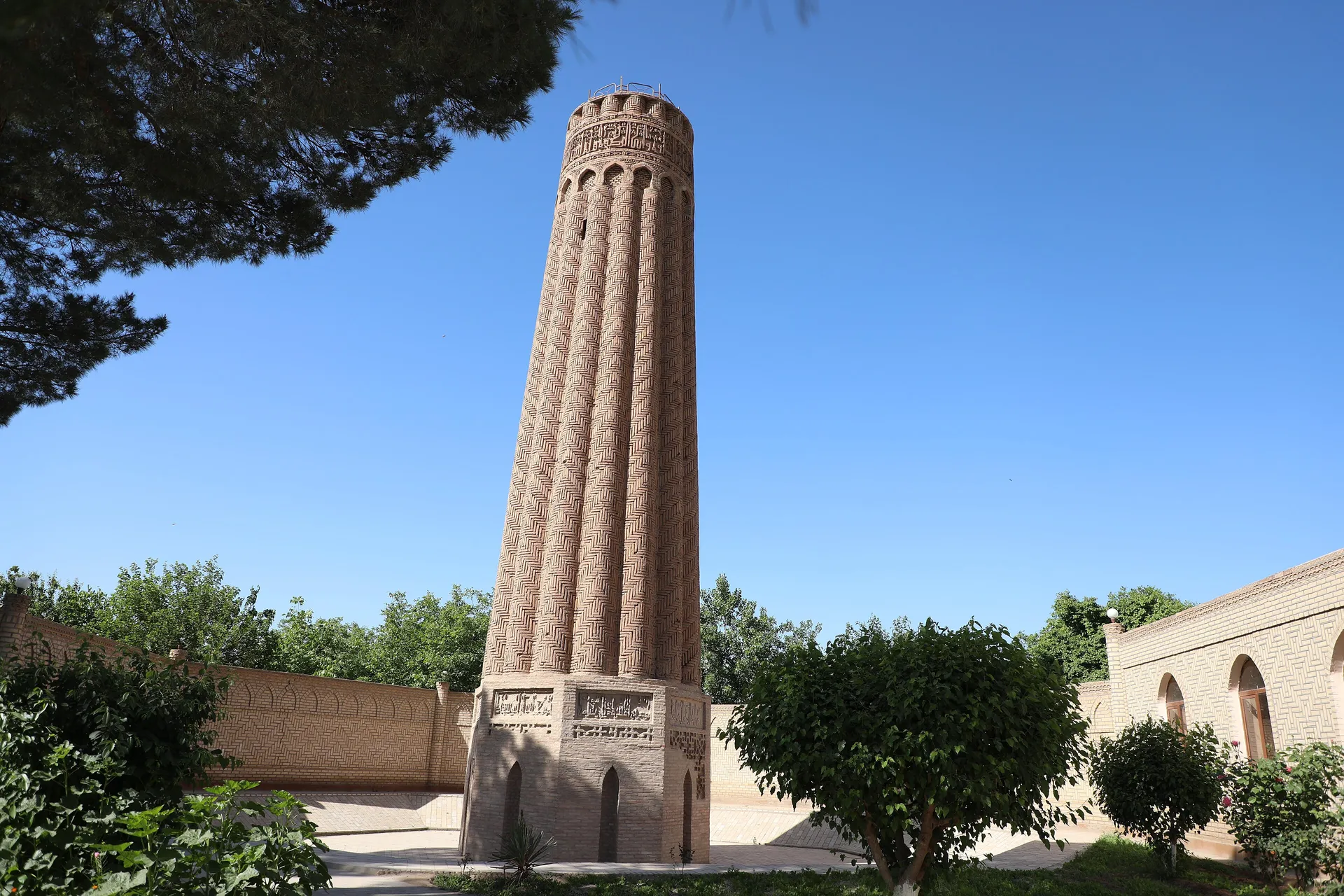
Kyrk-Kyz Fortress
The 'Forty Maidens' — a square mud-brick building of the 9th–10th centuries outside Termez.
Surkhandarya
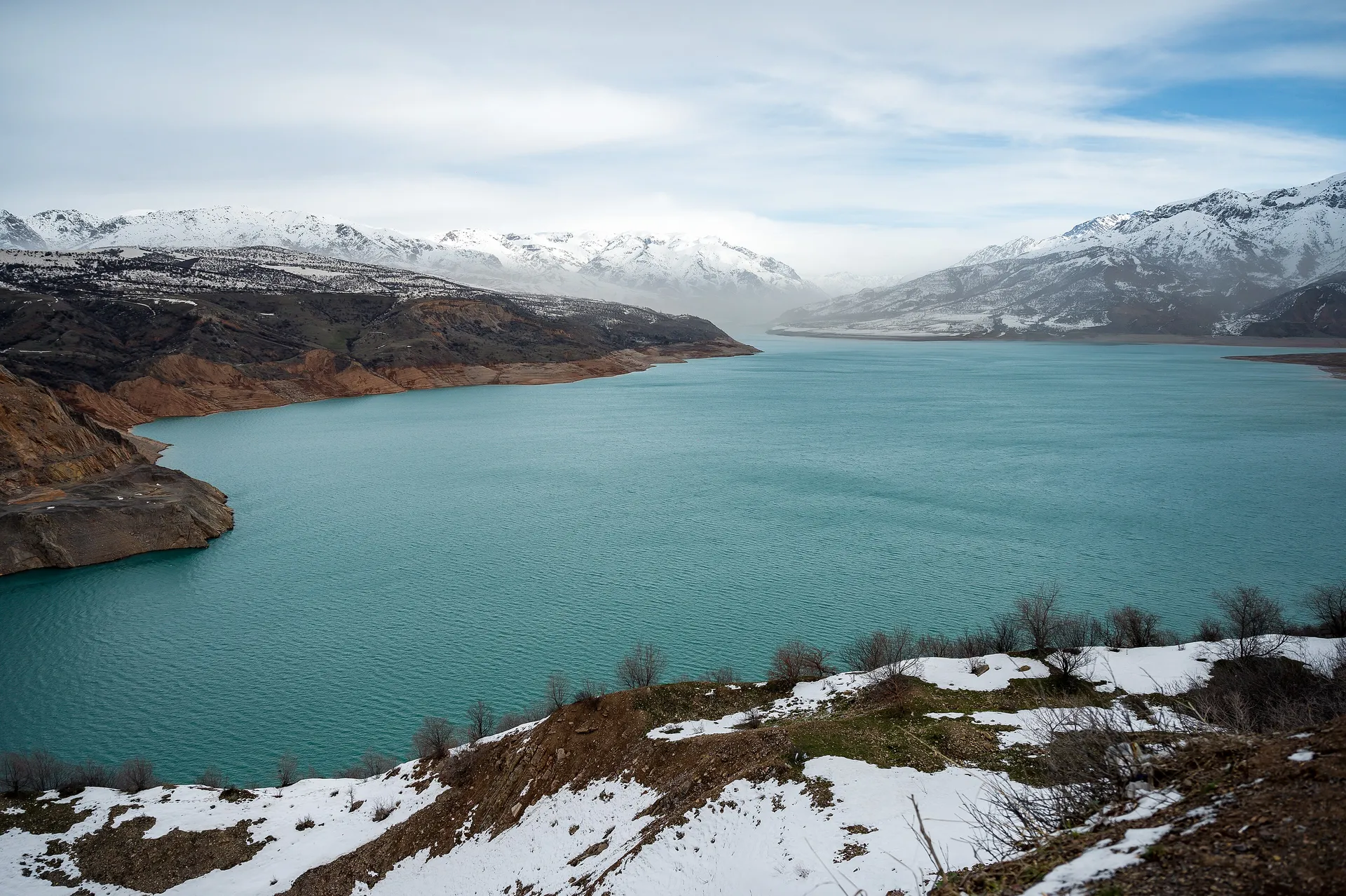
Jarkurgan Minaret
A fluted brick minaret of 1108–1109 whose upper part has long been lost.
Tashkent Region
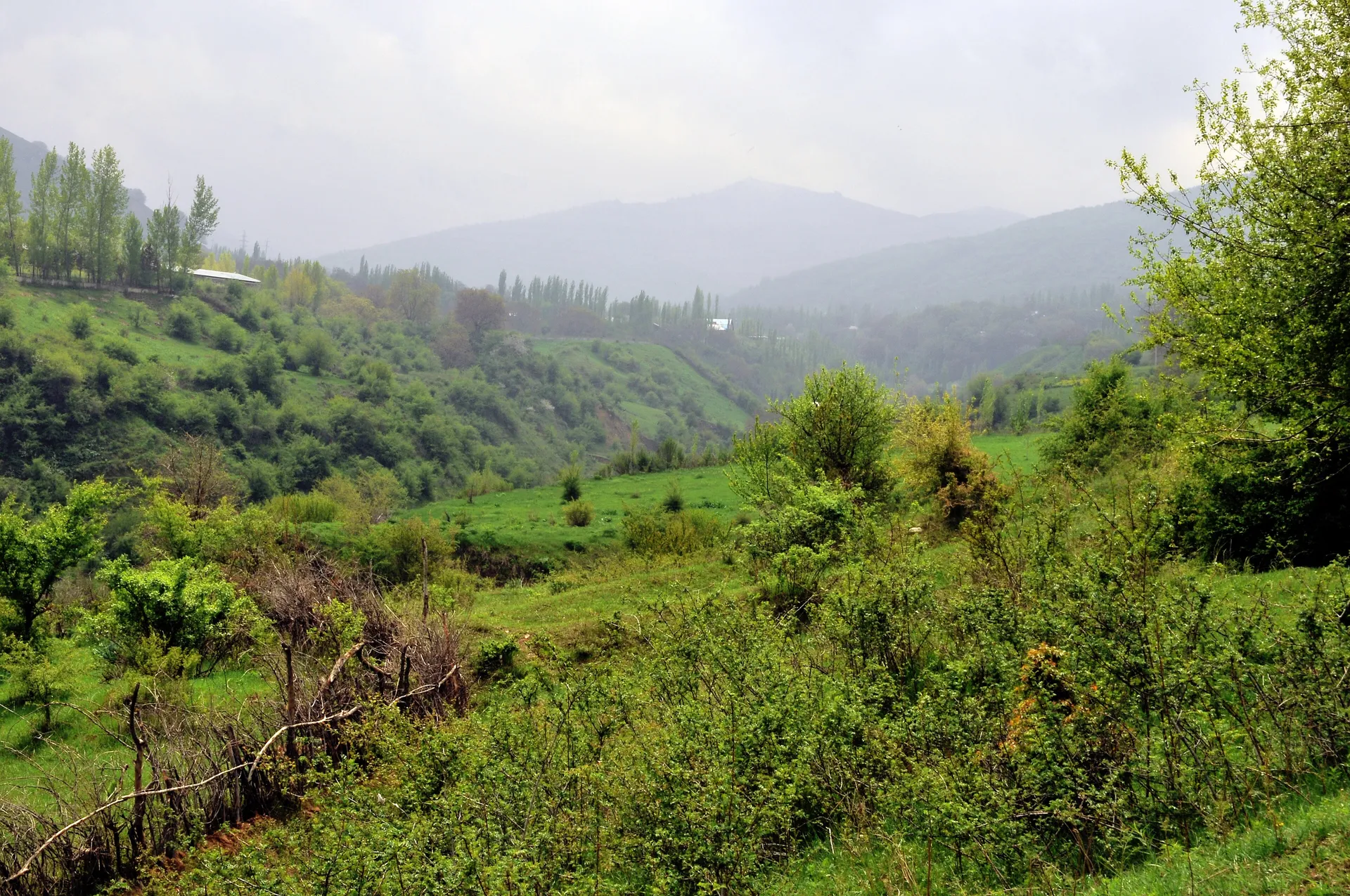
Charvak Reservoir
A turquoise reservoir ringed by mountains, and the capital's summer escape.
Tashkent Region
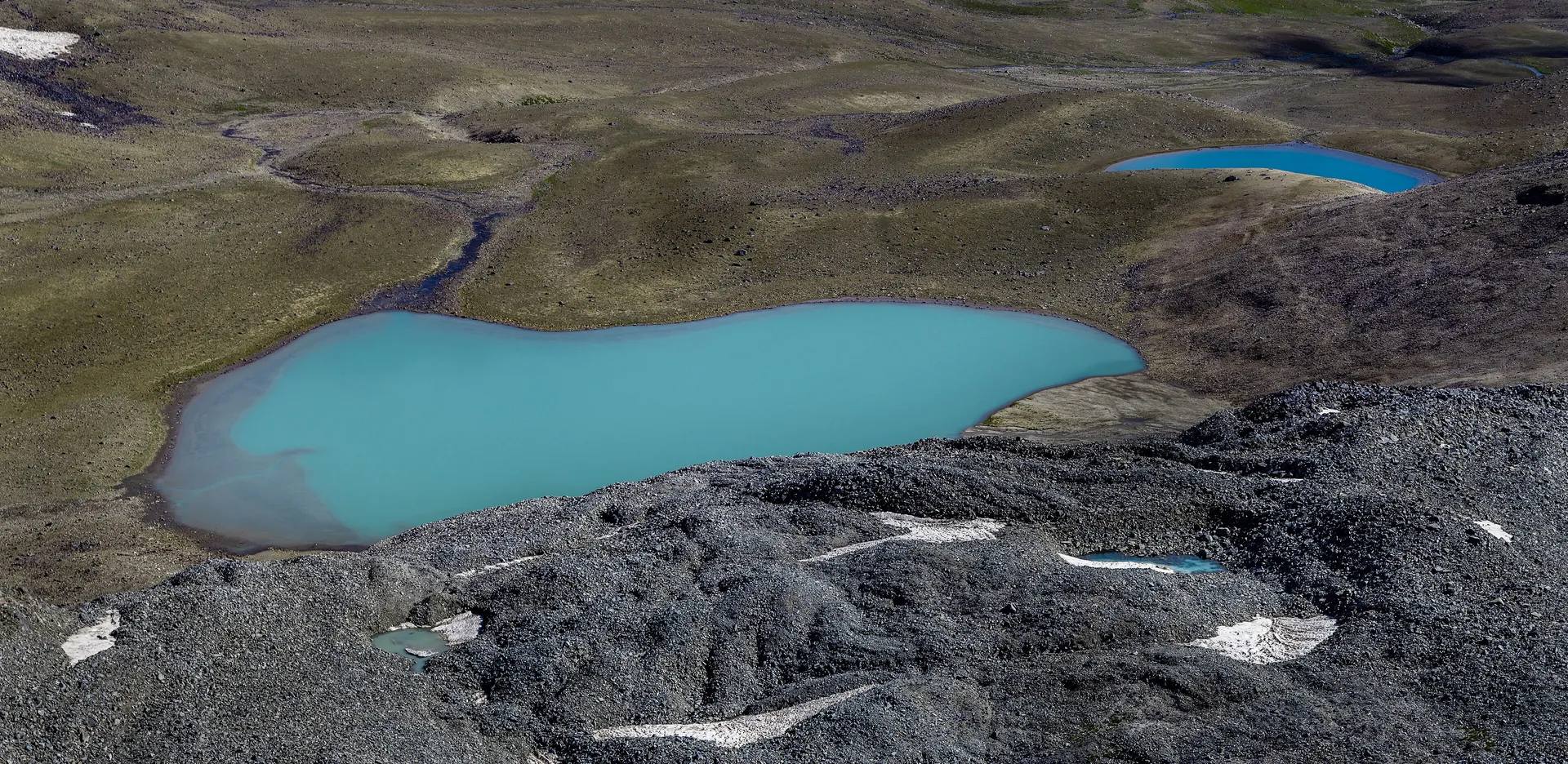
Chimgan
The country's best-known mountain resort, for skiing and summer hiking alike.
Tashkent Region
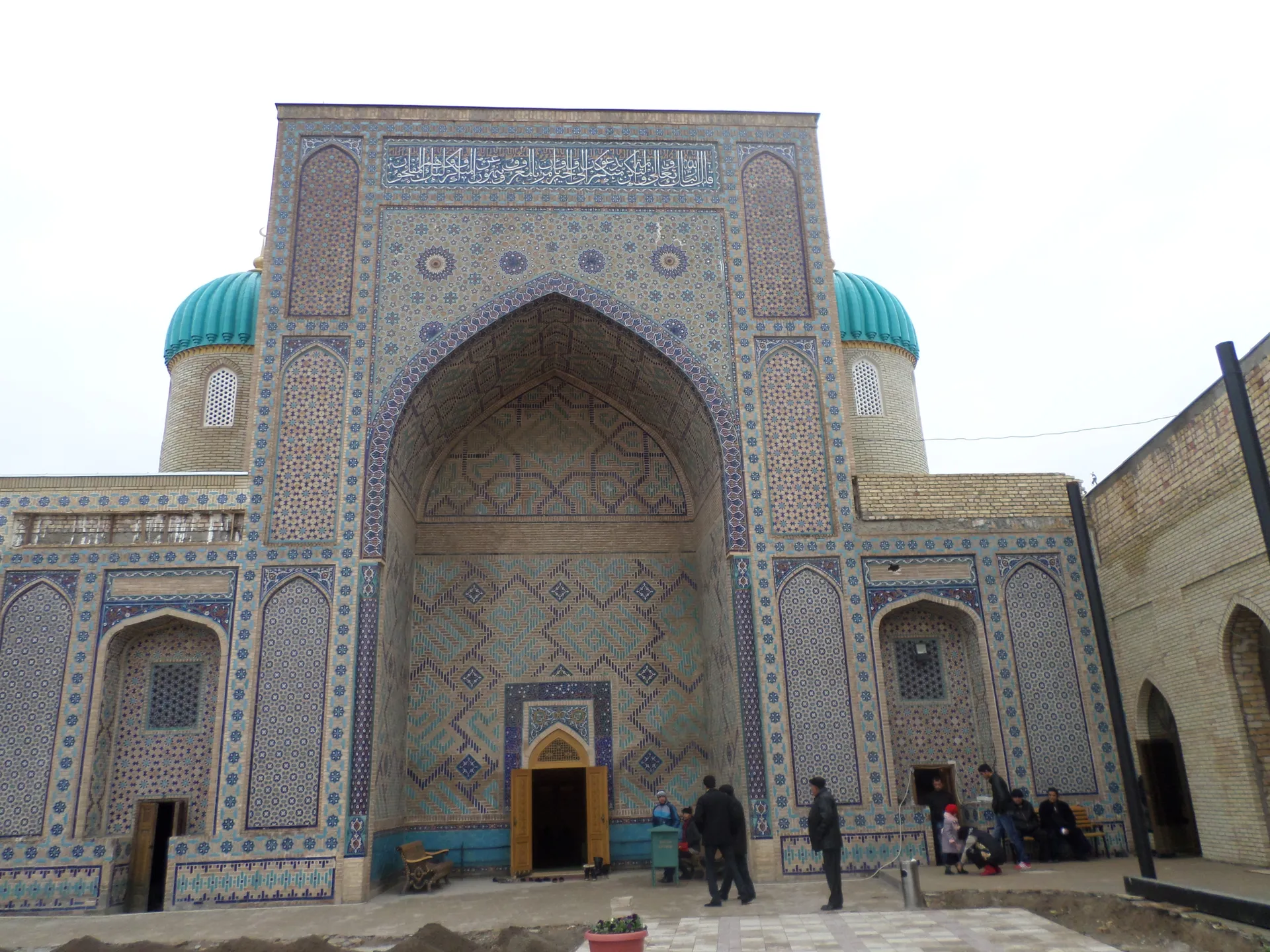
Ugam-Chatkal National Park
Part of the Western Tian Shan, inscribed by UNESCO in 2016.
Tashkent Region
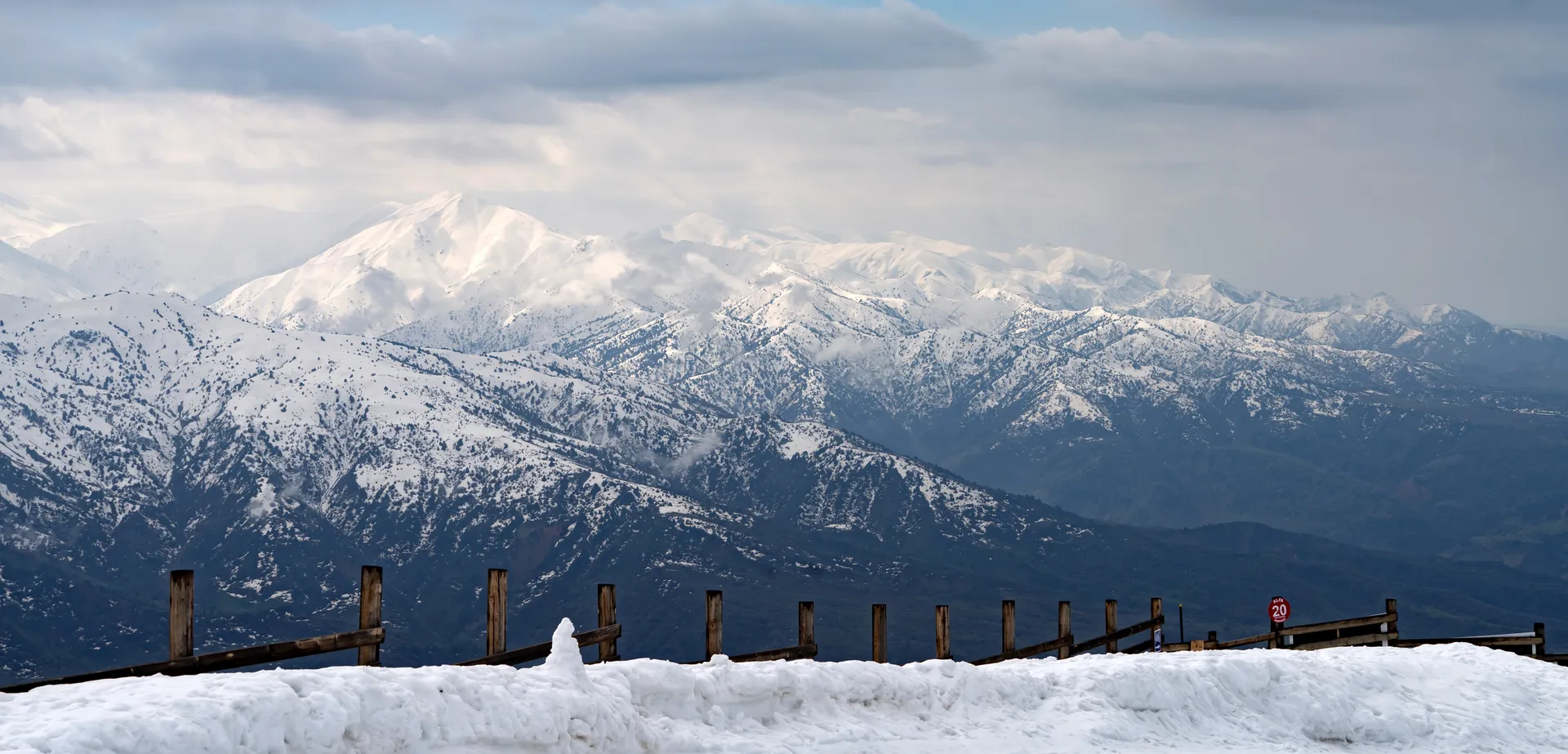
Zangiota Mausoleum
The shrine of the Sufi shepherd-saint Zangi Ota, rebuilt in Timur's time.
Tashkent Region
Amirsoy
A year-round mountain resort in the Western Tian Shan, with ski runs and cable cars.
Tashkent Region
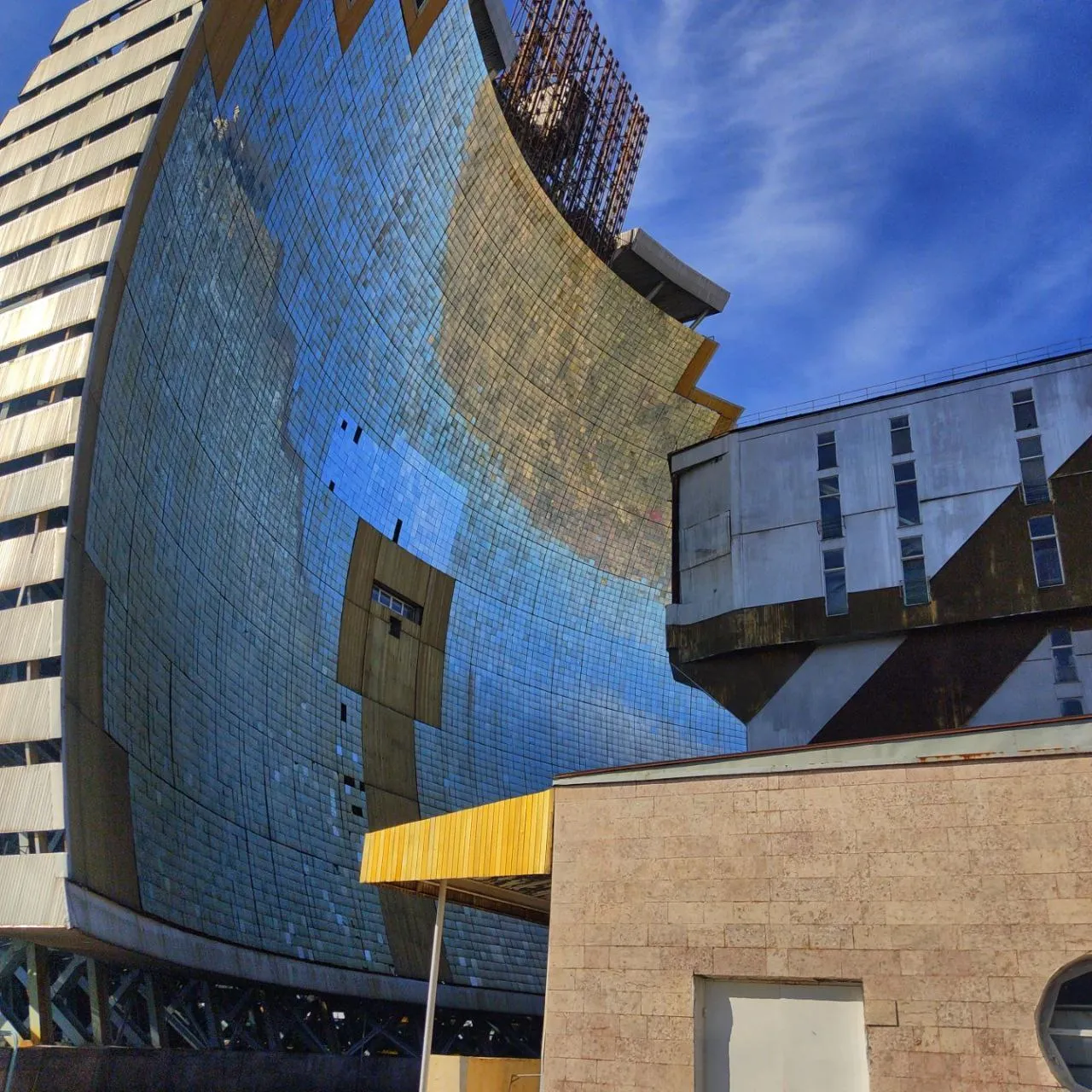
The Solar Furnace, Parkent
A Soviet-era mirror field that focuses sunlight to about 3,000 °C.
Tashkent City
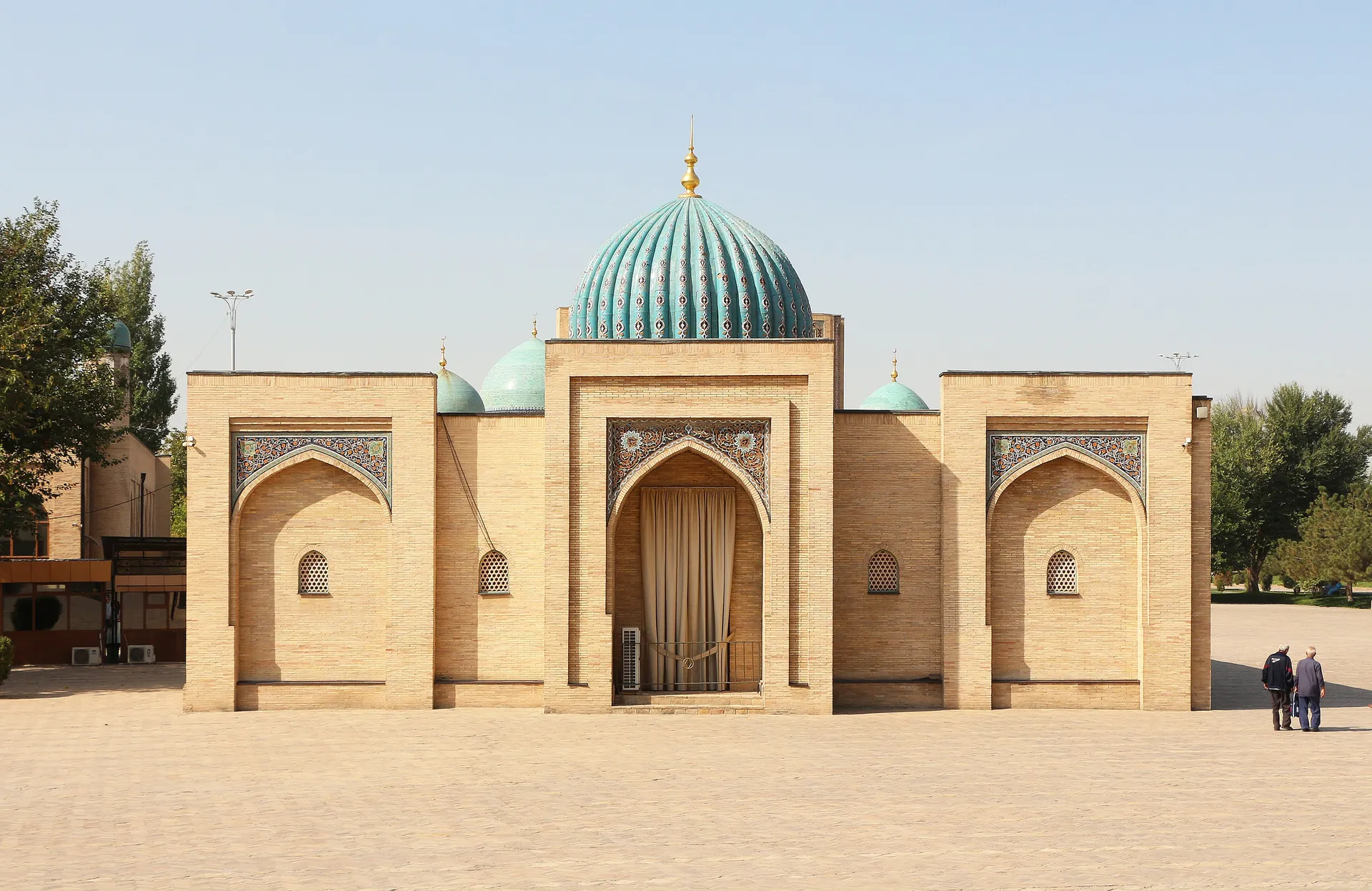
Khast Imam complex
Holds one of the oldest surviving Qur'an manuscripts in the world.
Tashkent City
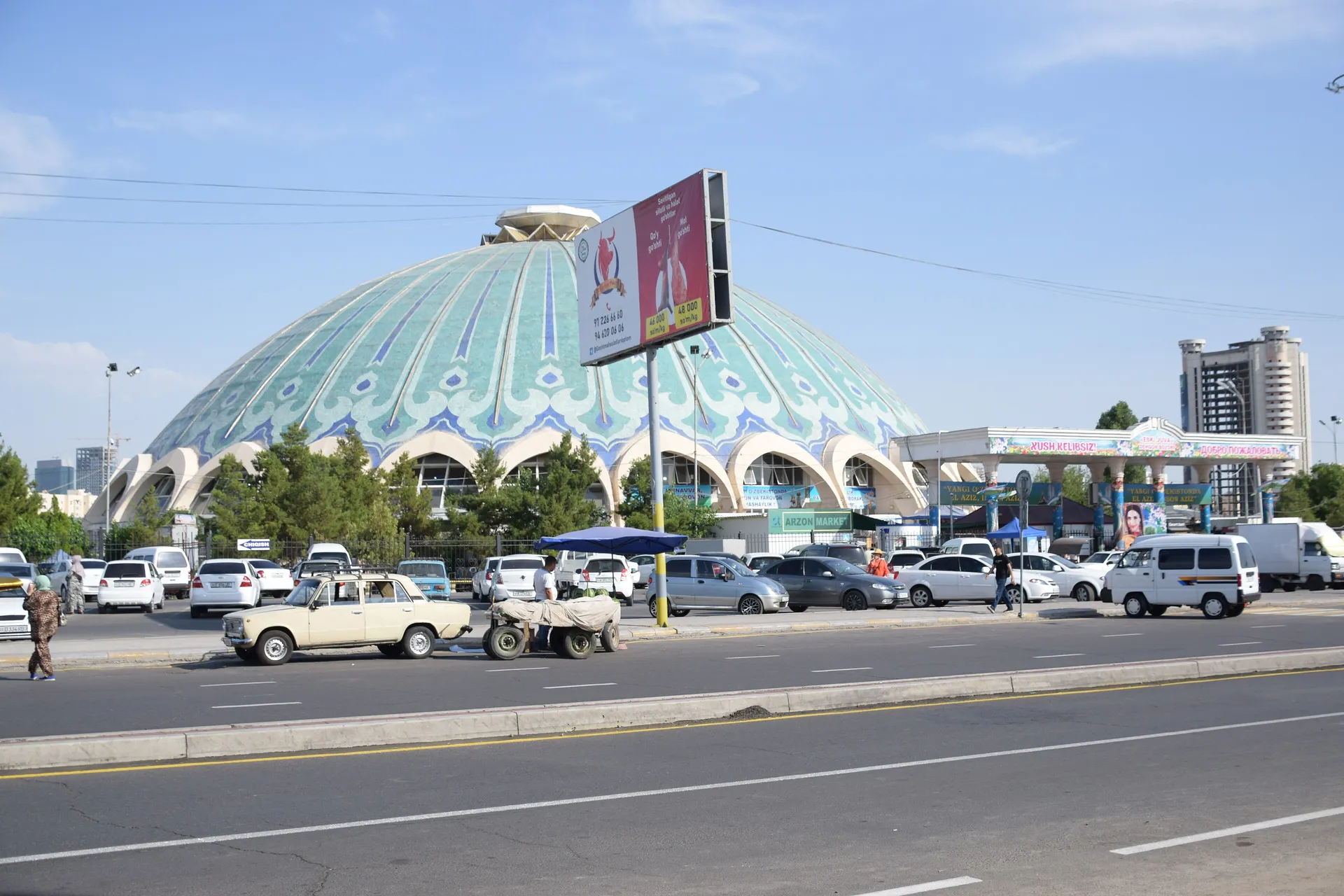
Chorsu Bazaar
A blue-domed market hall over a trading site far older than the building.
Tashkent City
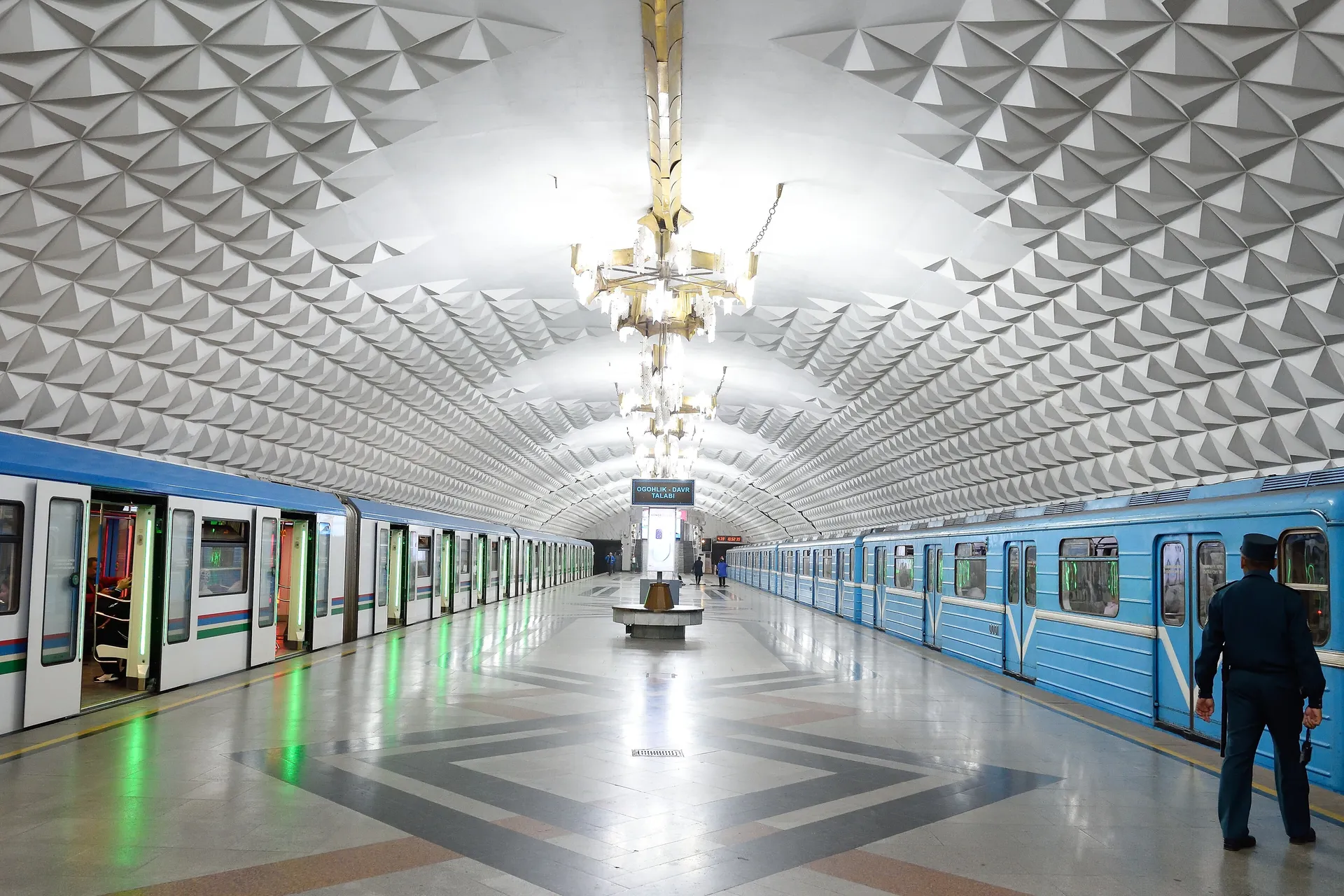
The Tashkent Metro
Central Asia's first metro, with stations designed as underground halls.
Tashkent City
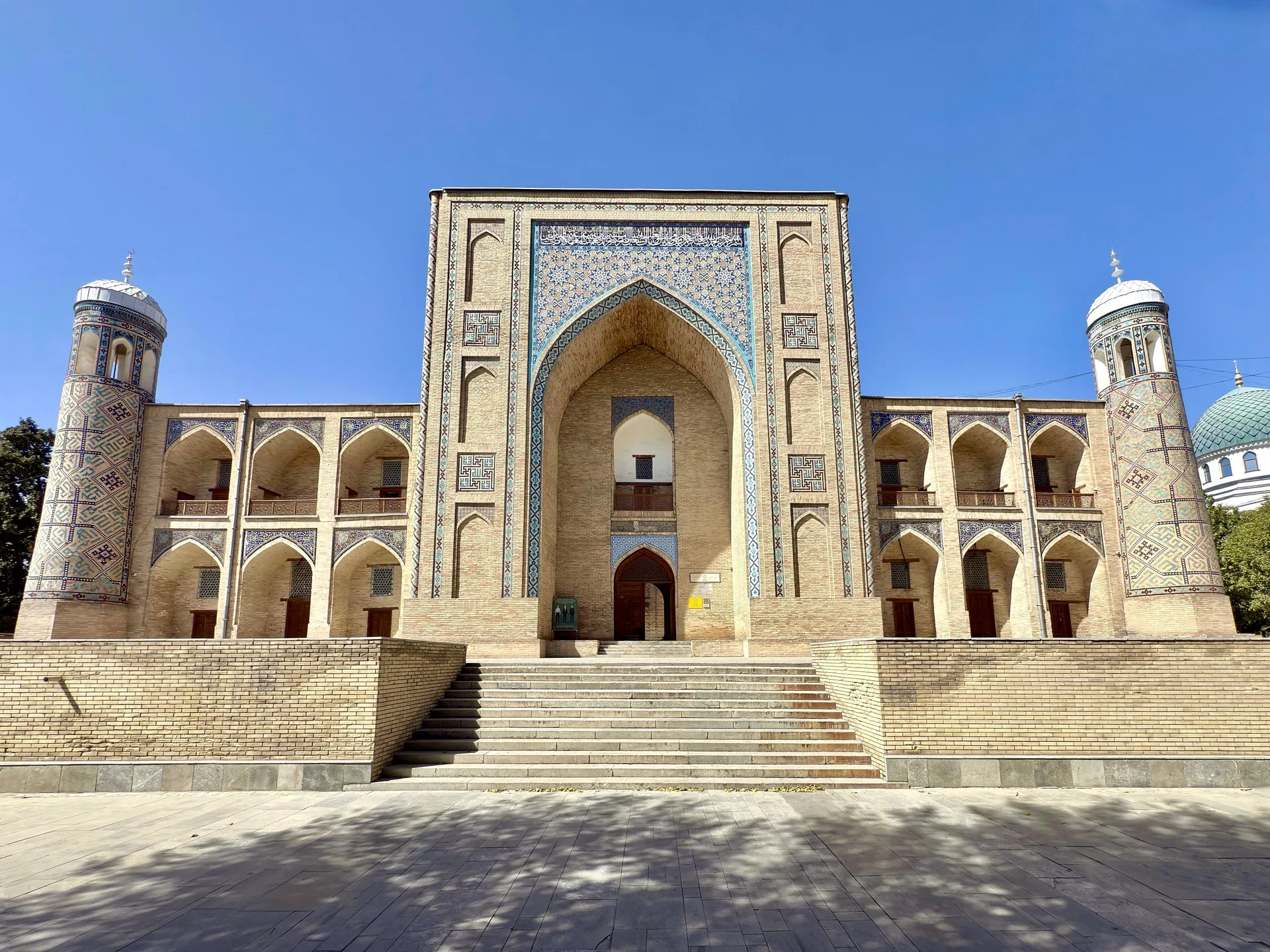
Kukeldash Madrasah
A 16th-century madrasah on the rise above Chorsu, still used for teaching.
Tashkent City
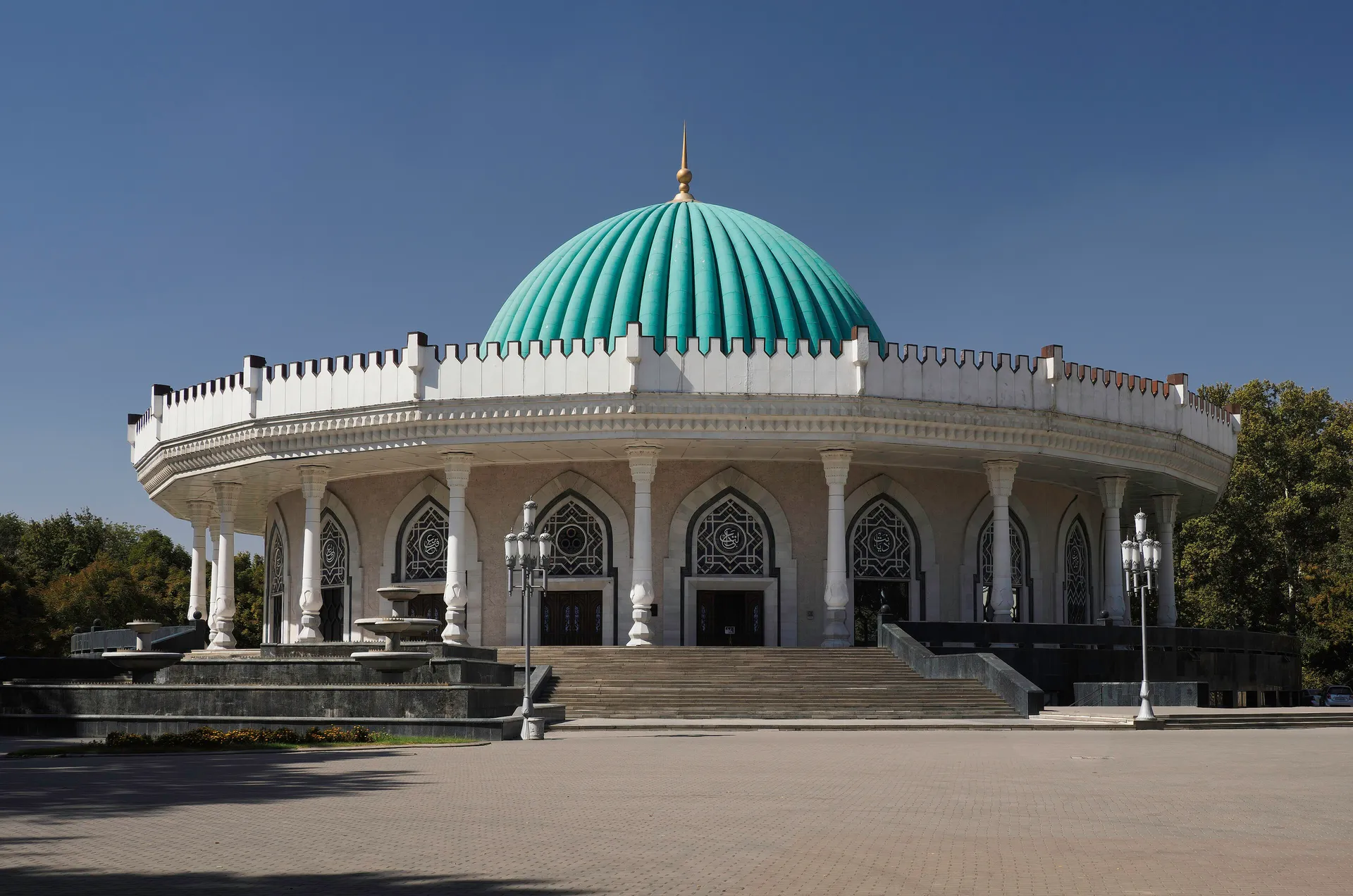
Amir Temur Square
The heart of the capital: Timur on horseback, and his museum under a blue dome.
Tashkent City
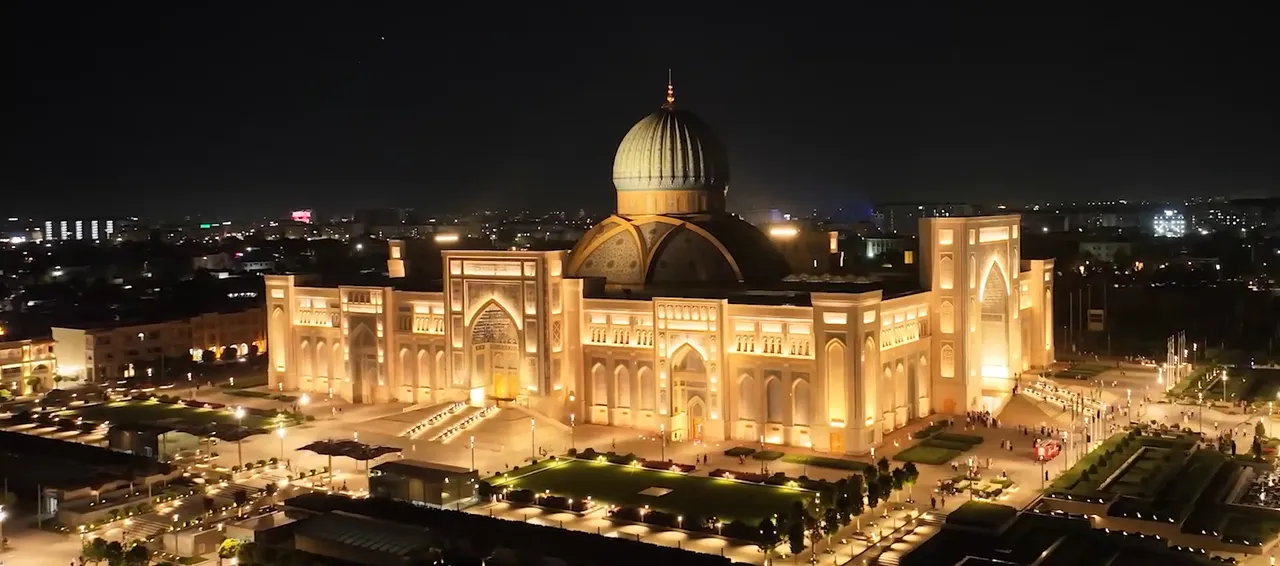
Centre of Islamic Civilization
A vast new museum and research centre beside the Hazrati Imam complex.