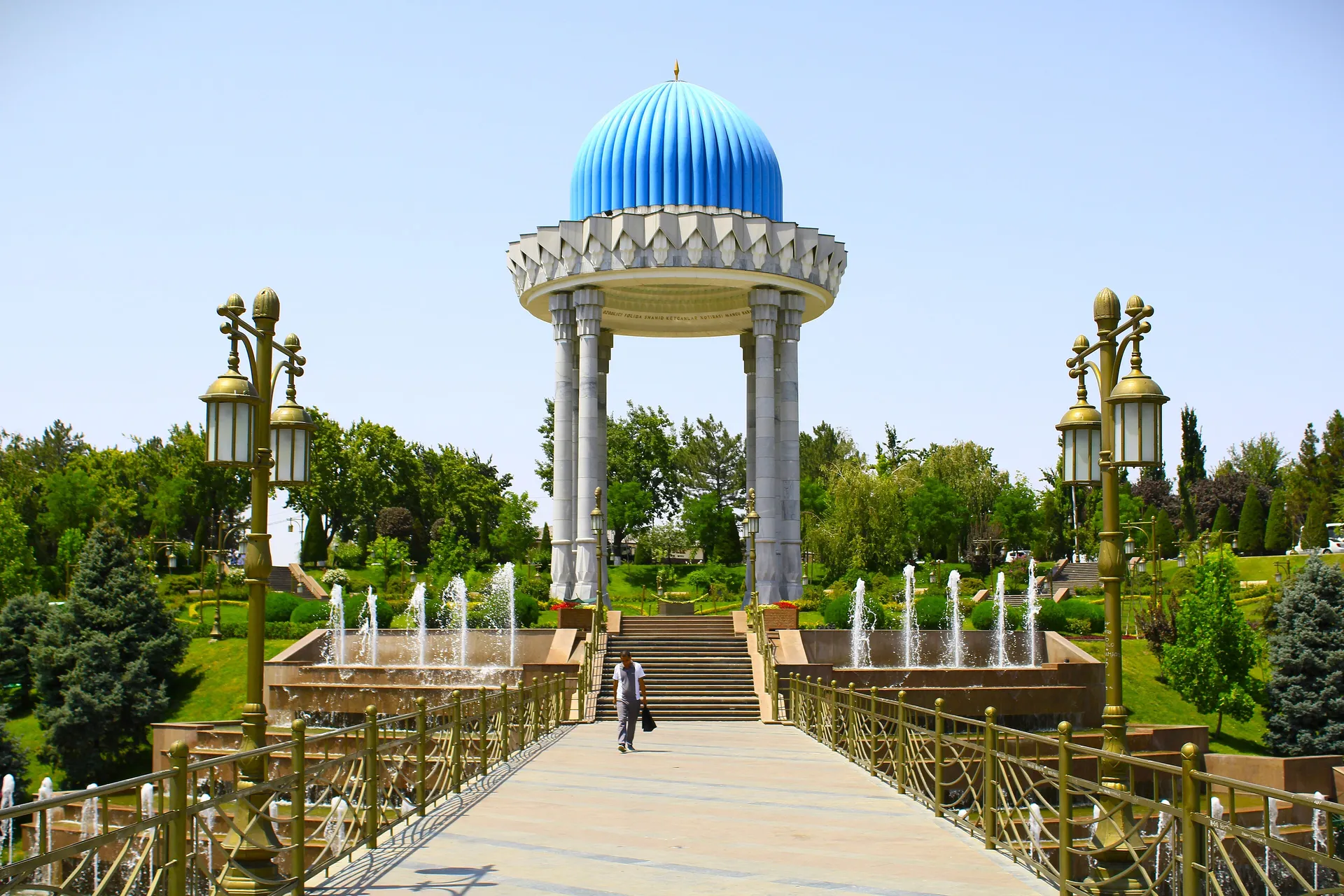
The full story
Jadidlar
The generation that tried to reform a society with schools and newspapers
Jadid means "new" — short for usul-i jadid, the new method of teaching. It began as an argument about how children should learn to read, and became the most consequential intellectual movement in modern Central Asian history.
What Jadidism was
Jadidism (from the Arabic jadīd, “new”) was a social, political and educational movement that played a major role in the life of the intelligentsia of Turkestan, the Caucasus, Crimea and Tatarstan in the late 19th and early 20th centuries. It first emerged in Crimea in the 1880s and began to spread in Central Asia in the 1890s.
At first it was a cultural movement. Its representatives called for progress, the development of the Turkic languages and of literature in them, the study of secular sciences, the use of scientific achievements, and equality between men and women. Later, some Jadids also embraced the idea of unity among the Turkic peoples.
Soviet literature described Jadidism as a “bourgeois-liberal, nationalist movement” and criticised it heavily. Only after the collapse of the USSR were the names of its representatives restored.
Origins
Jadidism first appeared in the 1880s among the Crimean Tatars, led by Ismail Gaspirali. Its members often called themselves progressive reformers, and later became known as the Jadids. The educated people of the time could see that their society was falling behind the rest of the world and that it needed reform.
In essence Jadidism was a political movement. Its rise and decline in Turkestan, Bukhara and Khiva can be divided into four periods: 1895–1905, 1906–1916, 1917–1920 and 1921–1929.
The first period (1895–1905)
In these years the Russian Empire tightened its grip on Turkestan. The authorities limited the powers of the local khans and the emir and turned them into puppets, while creating favourable conditions for Russian and Western investors: the interests of companies and joint-stock societies came before the needs of the local population. Religious beliefs and customs were ignored, and disrespect towards them grew. Experienced qadis (judges) were replaced by inexperienced officials, corruption flourished and injustice deepened. Madrasas and schools were restricted, traditional place names were replaced with Russian ones, and qadis were even made to wear crosses in court.
Progressive intellectuals understood that the people had to be woken from centuries of stagnation, and began their struggle for change through enlightenment. In these conditions Jadidism found fertile ground in Turkestan. Among the Jadids were leading scholars, specialists in industry and agriculture, and cultural figures who dreamed of a prosperous and independent homeland. Their work focused on:
- expanding the network of new-method schools
- sending talented young people to study abroad
- founding educational societies and theatre troupes
- publishing newspapers and magazines
- raising political awareness in order to build a national democratic state
The Jadid intellectuals understood that these goals could only be reached with a strong political party behind them.
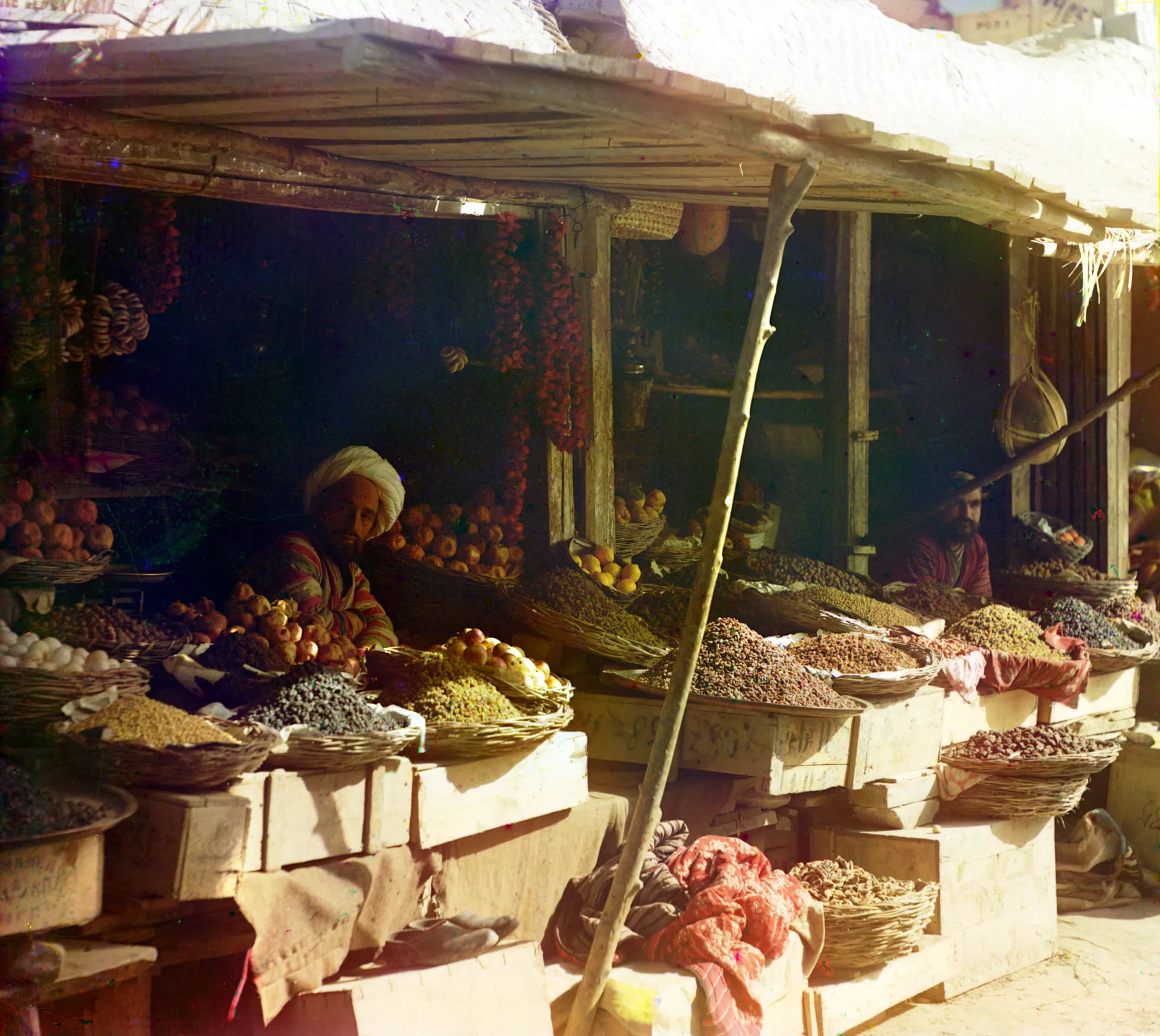
Ideas and goals
The main ideas and goals of the Jadids were:
- to free Turkestan from medieval backwardness and religious fanaticism
- to reform the way Sharia law was applied
- to spread education among the people
- to win autonomous government for Turkestan
- to introduce a constitutional monarchy and a parliament in Bukhara and Khiva
- later, to build a democratic republic and a free, prosperous society
- to introduce a stable national currency and create a national army
In Tashkent, Fergana, Bukhara, Samarkand and Khiva the movement took shape through cultural and educational societies founded by progressive thinkers.
Three branches
By geography, Jadidism in the region had three branches — in Turkestan, in Bukhara and in Khiva — and there were real differences between them.
In Turkestan the movement rested mainly on the intelligentsia. They led the struggle against Tsarist colonial rule, calling first for autonomy and later for the full independence of Turkestan.
Jadidism in Bukhara
In Bukhara the movement arose in harsher conditions. It drew mainly on progressive intellectuals, mullahs, small merchants, craftsmen and officials; at first its influence among peasants and soldiers was weak. The Jadids pressed for economic and administrative reforms, such as lower taxes, and at first tried to achieve them within the framework of the emirate. The first new-method school in Bukhara was opened by a peasant from Vobkent named Joʻraboy.
Conservative religious scholars opposed any reform or new idea, and by the beginning of the 20th century Bukharan society was split into two camps: the reformers led by Ikrom Domla and the conservatives led by Mulla Abdurazzoq.
In 1908 the Bukhoro-i Sharif Company was set up to publish textbooks and trade in books. Its founders were Ahmadjon Hamdiy (Abusaidov), Usmonxoʻja Poʻlatxoʻjayev, Homidxoʻja Mehriy, Abdulvohid Burhonov, Abdulqodir Muhiddinov, Sadriddin Ayniy and Abdurahmon Saʼdiy.
In December 1909 the Jadids secretly founded the Tarbiyai Atfol (“Education of Children”) society. Among its founders were Abdulvohid Burhonov, Homidxoʻja Mehriy, Ahmadjon Hamdiy, Mukammil Burhonov and Hoji Rafe. Through the Bukhara General Education Society it sent young people from Turkestan and Bukhara to study in Istanbul — an experience that changed how they saw the world.
Although Jadidism began in Bukhara and Turkestan at about the same time, the harsh conditions of the emirate sped up its development. By 1910 the Bukharan movement was organised, and a political party grew out of the Tarbiyai Atfol society.
Jadidism in Khiva
In Khiva, at the beginning of the 20th century, the movement developed under somewhat different conditions and had two wings. The right wing brought together the owners of industrial enterprises and big merchants and was led by Islomxoʻja, chief minister of Asfandiyor Khan. It wanted to keep the khan's authority while carrying out economic reforms that would open the way to a free market.
The left wing united small investors, craftsmen and other social groups under Qozikalon Boboxun Salimov. It aimed to raise political awareness through new-method schools. In 1904 a Charitable Society was founded, and with its support the first new-method school in Khiva opened on 10 November 1904. The Khivan Jadids did not stop at education — they also opposed the khan's rule. Until the First World War the movement had no central organisation or documents, but by August 1914 it had become a political party.
The founders of Jadidism in Turkestan
Among the pioneers of the movement were:
- from Samarkand: Mahmudxoʻja Behbudiy, Abduqodir Shukuriy and Ajziy
- from Tashkent: Munavvarqori Abdurashidxonov, Abdulla Avloniy, Majid Qori Qodiriy, Ubaydullaxoʻja Asadullaxoʻjayev and Toshpoʻlatbek Norbotabekov
- from Bukhara: Fitrat, Fayzulla Xoʻjayev, Usmonxoʻja Poʻlatxoʻjayev, Abdulvohid Burhonov, Sadriddin Ayniy and Abdulqodir Muhiddinov
- from the Fergana Valley: Obidjon Mahmudov, Hamza, Choʻlpon, Isʼhoqxon Ibrat and Muhammadsharif Sofizoda
- from the Osh district: Boltihoji Sultonov, Rahmonberdi Madazimov and Fozilbek Qosimbekov
- from Khorezm: Polvonniyoz hoji Yusupov and Boboxun Salimov
Literature and the arts
The Russo-Japanese War of 1904–05, the Russian Revolution of 1905–07, the Iranian Constitutional Revolution of 1905–11 and the Young Turk Revolution of 1908 all shaped the Jadids' outlook. They gathered around newspapers and journals, new-method schools, libraries, reading rooms and amateur theatre troupes. Many were prominent writers and poets who created a new national literature. By the 1910s enlightenment and freedom had become its central themes; ideas such as “nation” and “homeland” entered literature and inspired patriotic poetry. Modern narrative fiction emerged, journalism flourished — with Behbudiy, Fitrat, Munavvarqori and Mirmuhsin — and realist prose took shape. For this reason Uzbek scholarship since independence calls this period the literature of the National Awakening.
The renaissance reached cultural life too. The Jadids gave the Uzbek people a truly national theatre; a national printing press made book publishing possible; and, influenced by European polyphonic music, they argued for the reform of traditional Uzbek music. In 1919, on their initiative, a national branch of the Turkestan People's Conservatory opened in the old city of Tashkent.
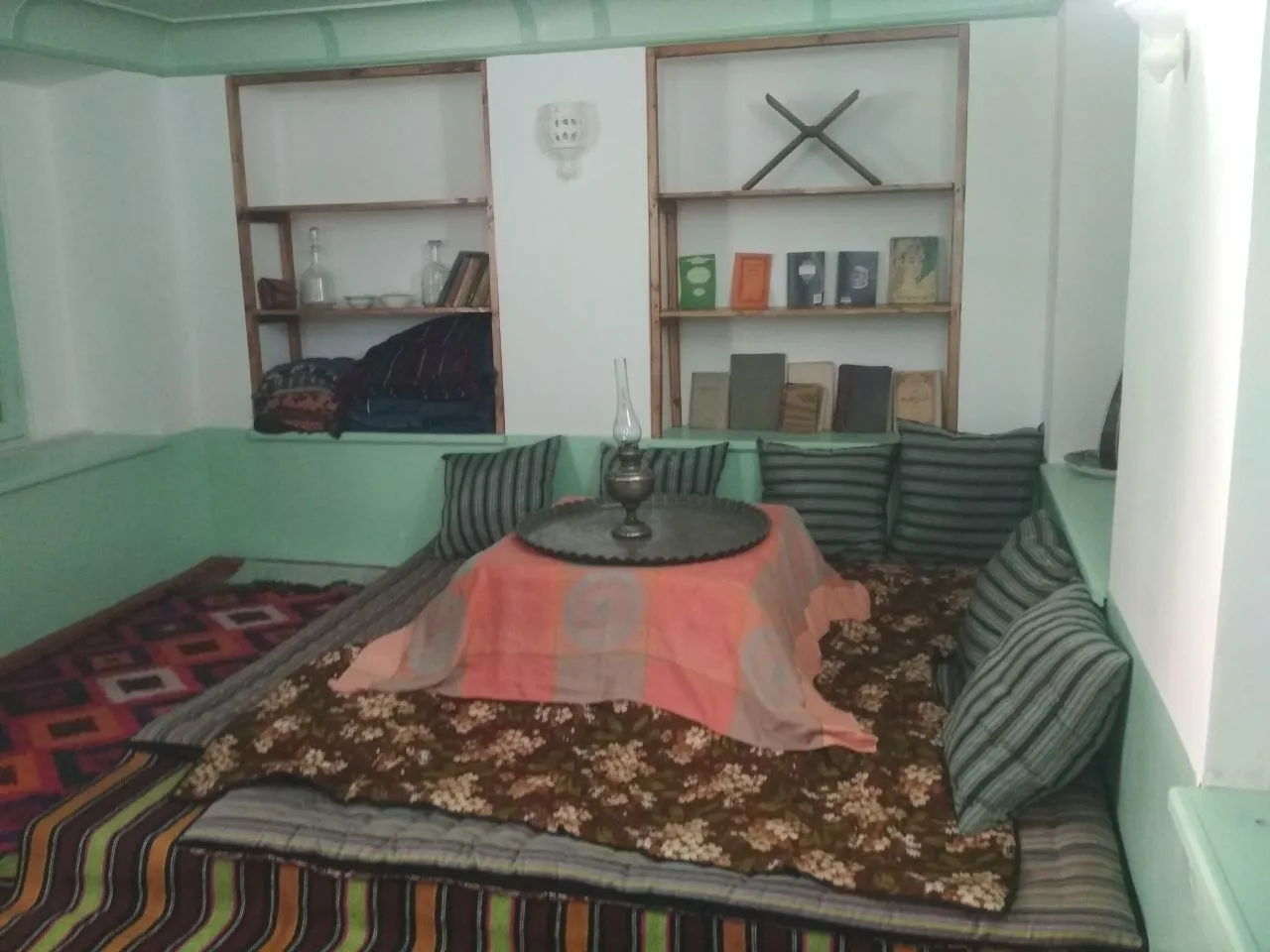
The press
The movement produced a press of its own. In Tashkent there were Taraqqiy (1905–06, edited by Ismoil Obidiy), Xurshid (Munavvarqori), Shuhrat (1907–08, Abdulla Avloniy), Osiyo (Ahmadjon Bektemirov) and Tujjor (Saidkarimboy Saidazimboy oʻgʻli); later Sadoyi Turkiston (Ubaydullaxoʻja Asadullaxoʻjayev) appeared there too. Bukhara had Buxoroyi Sharif (1912, Mirzo Jalol Yusufzoda) and Turon (Gʻiyos Maxsum Husayniy); Samarkand had Samarqand (1913, Mahmudxoʻja Behbudiy); and in Kokand Obidjon Mahmudov published Sadoyi Fargʻona.
The press played a crucial role in awakening the nation, exposing colonial exploitation and calling for unity.
Social and political activity
Between 1906 and 1916 the movement set its direction. Its newspapers told people how the times were changing and encouraged them to think for themselves. Figures such as Ubaydullaxoʻja Asadullaxoʻjayev argued for reform of taxation, education and government, and the movement founded organisations such as Erk, Turon and the Teachers' Society to defend national rights and social development.
The Jadids worked under the slogan “Freedom, equality and justice”. They actively opposed the Tsarist decree of 1916 that conscripted the people of Turkestan into labour battalions for the First World War: Ubaydullaxoʻja Asadullaxoʻjayev and Mirkomilboy Mirmoʻminboyev travelled to Petrograd to protest. In December 1916 the State Duma acknowledged that the decree was unlawful, and the conscription ended with the February Revolution of 1917.
1917: the struggle for autonomy
In 1917 the movement entered a new phase. After the February Revolution, Uzbek, Tatar and Kazakh intellectuals sought unity, and on 14 March 1917 they founded the Shoʻroi Islomiya society to teach people about freedom and equality and to campaign for the autonomy of Turkestan. The idea of uniting the Turkic peoples gained ground, with discussions of a federal or autonomous state for Uzbeks, Kazakhs, Kyrgyz, Karakalpaks, Bashkirs, Tatars and Turkmens.
As the struggle for autonomy intensified, new organisations appeared: Shoʻroi Islomiya, Turon, Shoʻroi Ulamo and Ittifoqi Muslimin in Tashkent, Gʻayrat in Kokand and the Young Bukharans in Bukhara. Their lack of political experience held them back. Leaders such as Mustafa Choʻqay and Zaki Validi understood that Petrograd would never grant independence, yet they joined forces with the local Jadids to keep fighting for self-determination. In November 1917 the Turkestan Autonomy was proclaimed in Kokand; the Bolsheviks crushed it within three months.
The Jadid movement changed the social, political and cultural life of Central Asia, and its legacy is still felt across the region today.